QITE GARMENTS

Specialized in knitwear manufacturing & global OEM/ODM services since 2001.
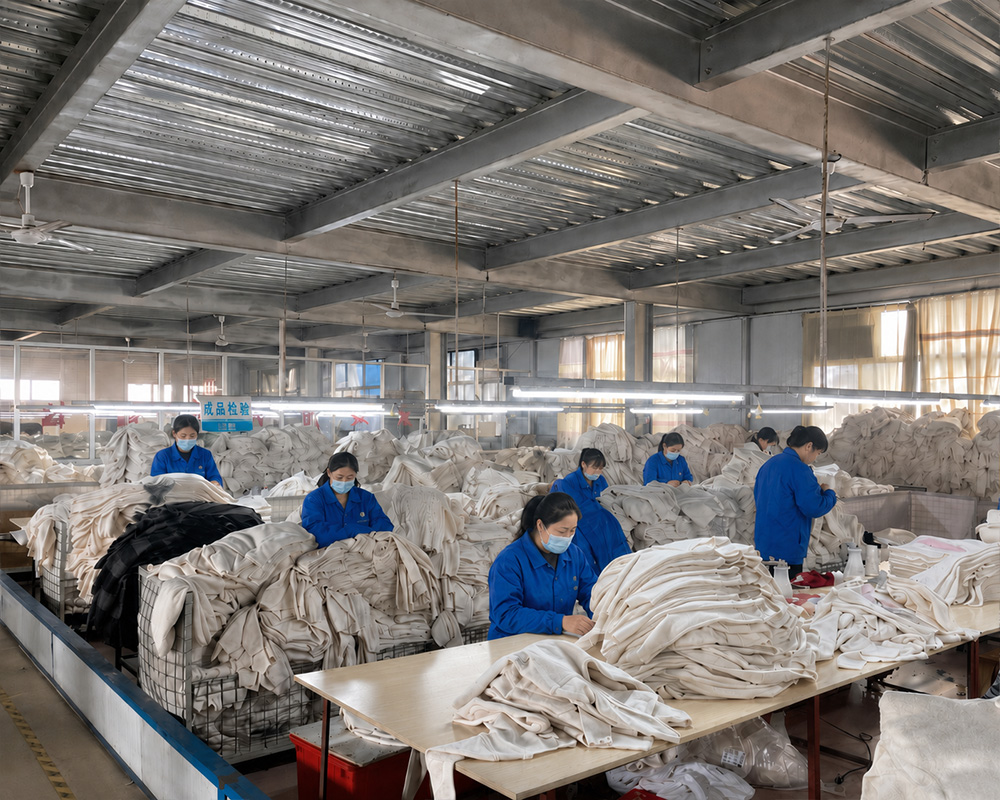
Knitwear manufacturing sample review and workmanship inspection process

Knitwear Production Infrastructure

Knitwear Manufacturing Capability

Qingdao Qite Garments Co., Ltd. manages knitwear production through own-factory operations, coordinated partner production units, gauge-specific machine allocation, centralized production control, quality inspection, packing verification, and shipment preparation.

  • Own Factory Production
  • Partner Production Units
  • 1GG–16GG Gauge Capability
  • Centralized Production Management
View Manufacturing Structure

Manufacturing Structure

Own Factory & Coordinated Production Network

Knitwear production is organized through an own-factory base, coordinated production units, and centralized control of technical information, production scheduling, inspection, packing, and shipment preparation.

Knitwear production workshop for managed sweater manufacturing operations
Coordinated Manufacturing Operations Production resources are assigned according to product construction, machine requirements, order quantity, capacity, and delivery schedule.
01

Own Factory Operations

The own-factory base supports 7-10 day sample development, technical confirmation, core knitwear production, workmanship inspection, finishing control, packing verification, and production records.

  • 7-10 day sample development
  • Core Style Production
  • Finishing Control
  • Inspection & Packing
02

Partner Production Units

Coordinated production units provide additional machine coverage and capacity for different gauges, product constructions, order volumes, and seasonal production schedules.

  • Gauge-Specific Allocation
  • Additional Machine Capacity
  • Seasonal Volume Support
  • Defined Production Scope
03

Centralized Production Management

Technical files, approved samples, production schedules, inspection criteria, corrective actions, packing instructions, and shipment information are managed through a centralized production control structure.

  • Technical File Control
  • Production Scheduling
  • Quality Follow-Up
  • Shipment Coordination

Equipment & Gauge Coverage

Knitwear Machine Capability From 1GG to 16GG

Machine selection is based on yarn count, gauge, stitch structure, pattern complexity, garment weight, panel dimensions, and the construction requirements confirmed for each style.

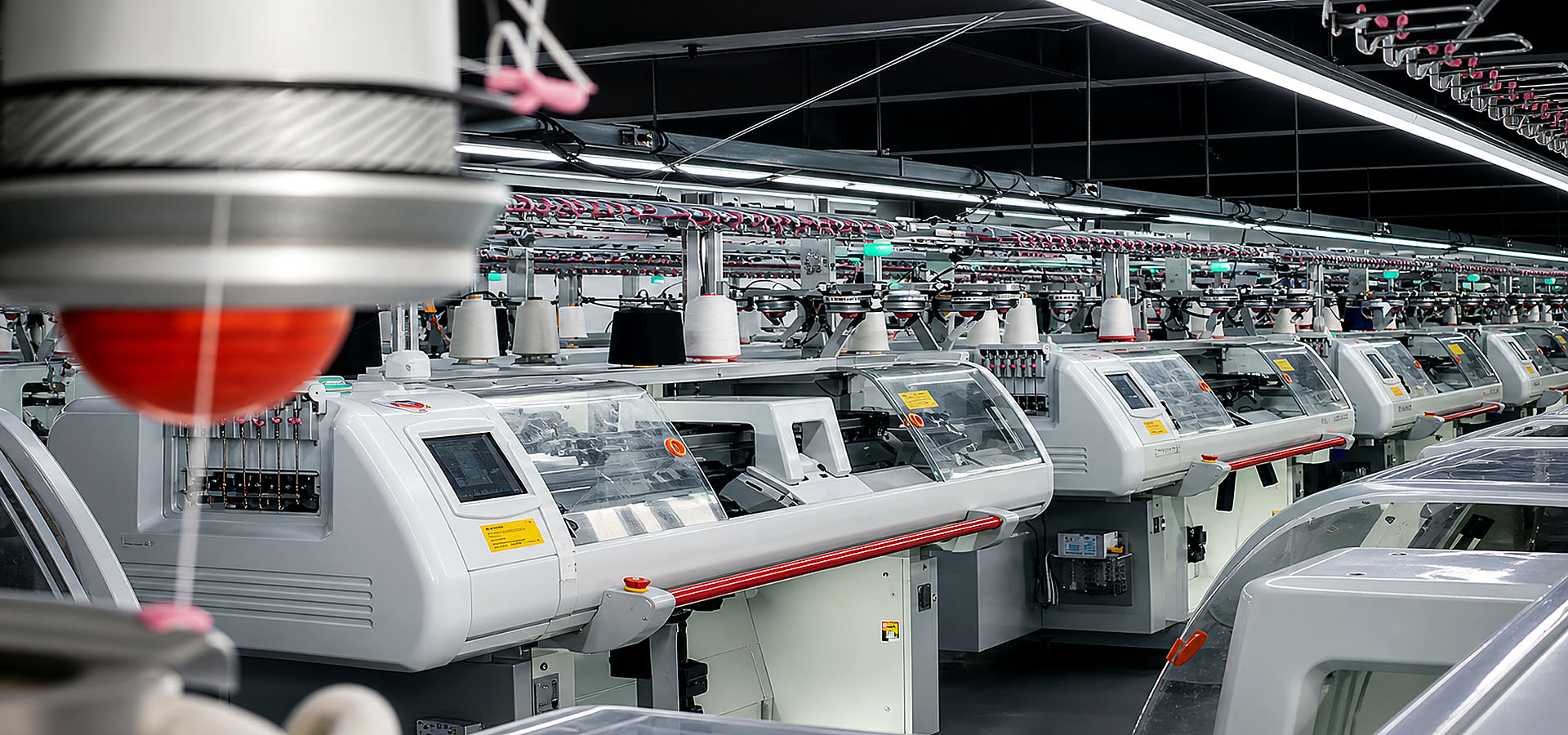
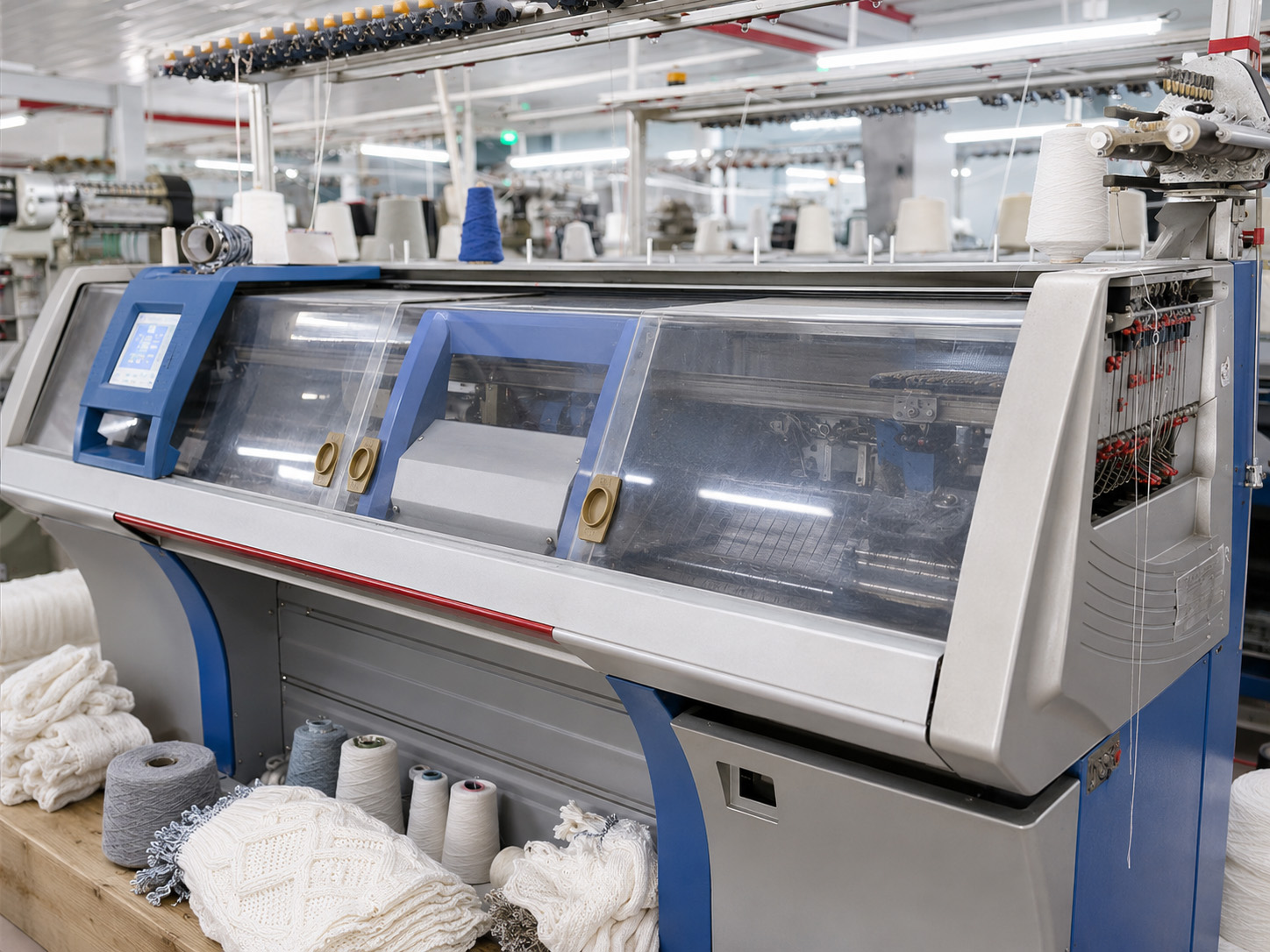
STOLL computerized flat knitting machines for sweater manufacturing
Computerized Flat Knitting Equipment Machine gauge and knitting system are selected according to yarn, stitch construction, garment structure, and approved sample.

Equipment Coverage

The manufacturing structure combines own-factory operations with coordinated machine resources across partner production units. Equipment is allocated according to the technical requirements of each knitwear style.

Production Network
300+ Machines Combined machine resources across the coordinated manufacturing network.
Gauge Coverage
1GG–16GG Heavy-gauge, mid-gauge, fine-gauge, and lightweight knitwear.
Supporting Operations
Linking, Finishing, Inspection & Packing Assembly, washing, shaping, pressing, quality inspection, packing verification, and shipment preparation.

Gauge Application Range

  • 1GG / 3GG

    Heavy-Gauge Knitwear

    Applied to thicker yarns, heavier garment structures, pronounced textures, and lower-stitch-density constructions.

    • Chunky sweaters and cardigans
    • Heavy rib and cable structures
    • Thicker yarn and textured surfaces
  • 5GG / 7GG

    Mid-Gauge Knitwear

    Applied to standard sweater weights, structured garments, jacquard patterns, cables, ribs, and commercial knitwear ranges.

    • Pullovers, cardigans, and knitted dresses
    • Jacquard, cable, and rib structures
    • Balanced weight and stitch definition
  • 12GG / 16GG

    Fine-Gauge Knitwear

    Applied to finer yarns, smoother surfaces, lighter garment weights, refined stitch structures, and close-fitting knitwear.

    • Lightweight sweaters and knitted tops
    • Fine rib and smooth structures
    • Finer yarn and reduced garment weight
Gauge Selection Reference

Gauge selection is confirmed together with yarn count, stitch construction, target garment weight, hand feel, measurements, and approved sample requirements. Gauge alone does not determine final fabric density or garment appearance.

Capacity & Production Planning

Production Capacity & Scheduling Control

Production planning is based on style construction, gauge, material readiness, order quantity, approved sample status, machine availability, finishing requirements, and confirmed delivery timing.

Sweater production line for OEM and ODM knitwear manufacturing
Coordinated Production Scheduling Machine time, material readiness, production stages, inspection, finishing, and packing are coordinated against the confirmed shipment schedule.

Managed Capacity Structure

The manufacturing network combines multiple production resources under centralized scheduling. Capacity is reviewed by style rather than calculated only by total garment quantity.

Monthly Capacity
Approx. 150,000 Pieces Coordinated capacity across the managed knitwear production structure.
Production Lines
5 Main Lines Production stages include knitting, linking, finishing, inspection, and packing.
Planning Unit
Style & Order Level Scheduling is managed by style, color, size range, quantity, and required completion date.
Schedule Reference
Material to Shipment Material arrival, sample approval, production, inspection, packing, and shipment timing.
  1. 01

    Capacity Review

    Style construction, gauge, machine requirements, order quantity, color-size assortment, and delivery timing are reviewed before production scheduling.

  2. 02

    Production Scheduling

    Machine time, knitting sequence, linking, washing, finishing, inspection, and packing stages are arranged against the confirmed production calendar.

  3. 03

    Progress Monitoring

    Material status, completed quantities, work-in-progress, inspection results, finishing progress, and packing status are reviewed during production.

  4. 04

    Schedule Adjustment

    Production timing is updated when material delays, technical corrections, quality findings, capacity changes, or approval revisions affect the original schedule.

Capacity Reference

Monthly capacity is an approximate coordinated figure. Actual output depends on gauge, yarn type, stitch complexity, garment structure, size range, finishing requirements, inspection standards, and order mix.

Production Control Structure

Centralized Production Management

Qingdao Qite Garments Co., Ltd. maintains centralized control of technical files, approved samples, production schedules, inspection status, corrective actions, packing requirements, and shipment preparation across assigned knitwear production units.

  1. 01

    Technical File Control

    Specifications, size charts, yarn information, color references, stitch details, trims, labels, and packing instructions are maintained as the production reference.

  2. 02

    Sample & Revision Control

    Approved samples, fitting comments, workmanship revisions, color approvals, and confirmed changes are communicated before bulk production proceeds.

  3. 03

    Production Status Monitoring

    Material readiness, knitting quantities, linking progress, finishing status, inspection results, and packing completion are reviewed during production.

  4. 04

    Quality Follow-Up

    Identified workmanship, measurement, color, finishing, or packing issues are documented, corrected, and reviewed before the affected production is released.

  5. 05

    Packing & Shipment Coordination

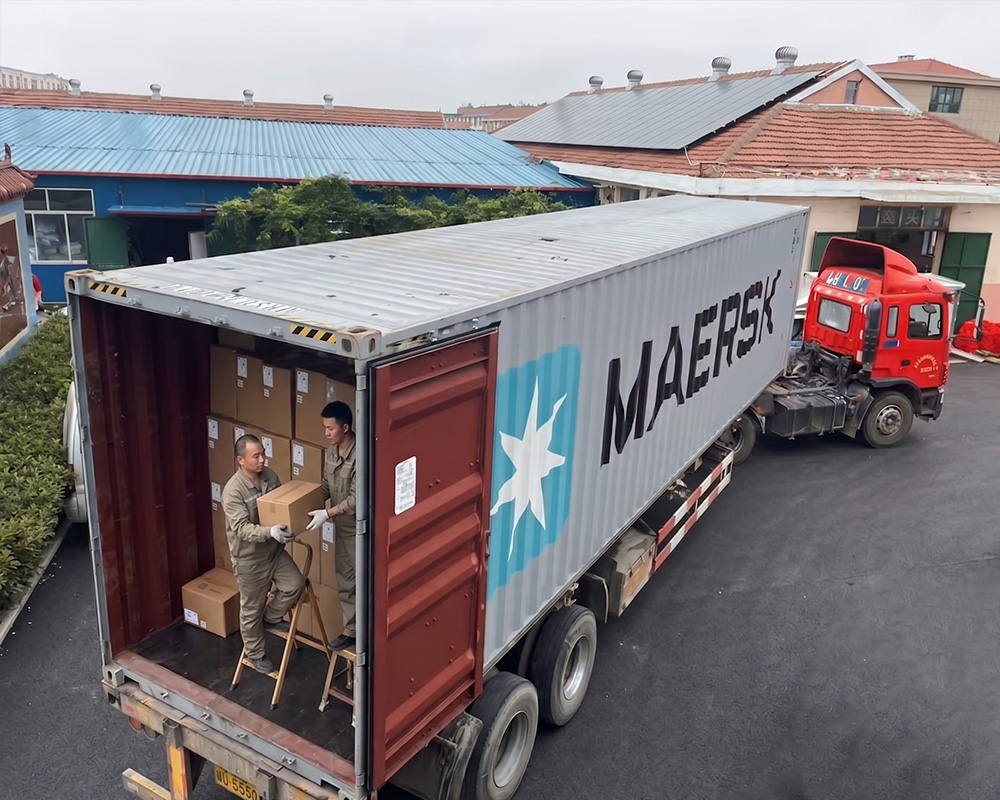
    Labels, barcodes, packing ratios, carton quantities, carton marks, inspection status, and shipment information are checked before final dispatch preparation.

Management Scope

Centralized management provides one control structure for production information and status follow-up. Individual manufacturing operations remain assigned according to the confirmed product and order requirements.

Buyer Questions

FAQ About Knitwear Manufacturing Capacity

Quick answers for buyers reviewing sweater production capacity, gauge capability, sampling, bulk scheduling and managed production control.

What sweater production gauges can you support?

We support 1GG-16GG knitwear development and production planning, including STOLL computerized flat knitting machine support for custom sweater programs.

What is the standard MOQ for sweater manufacturing?

Our standard MOQ starts from 500 pcs per style. Final MOQ depends on yarn, gauge, color count, size range, trims and packing requirements.

How long does sample development usually take?

Sample development usually takes 7-10 days after design references, yarn, gauge, color and measurement details are confirmed.

What is the normal bulk production time?

Bulk production time depends on quantity, size range, yarn availability, style complexity, testing requirements and factory schedule. Small to medium orders may be planned around 20-30 days after sample approval, while larger programs require a confirmed production plan.

How do you manage production scheduling?

We review order quantity, style complexity, yarn readiness, machine allocation, sample approval, quality checkpoints and packing requirements before confirming the schedule.

Can you manage multiple sweater styles in one program?

Yes. Multiple styles can be managed through centralized production planning, progress tracking, quality follow-up and export packing coordination.

Manufacturing Requirement Review

Submit Knitwear Production Requirements

Manufacturing evaluation covers machine suitability, gauge, material readiness, order quantity, production capacity, quality requirements, packing format, and delivery schedule.

Information for Production Review

  • Product image, sample, specification, or technical file
  • Yarn composition, gauge, stitch structure, and garment construction
  • Order quantity, color-size assortment, and required completion date
  • Inspection criteria, labels, packing format, and destination market
Submit Production Requirements

Initial information is reviewed for equipment compatibility, capacity planning, production timing, and required control points.