



QITE GARMENTS

Specialized in knitwear manufacturing & global OEM/ODM services since 2001.
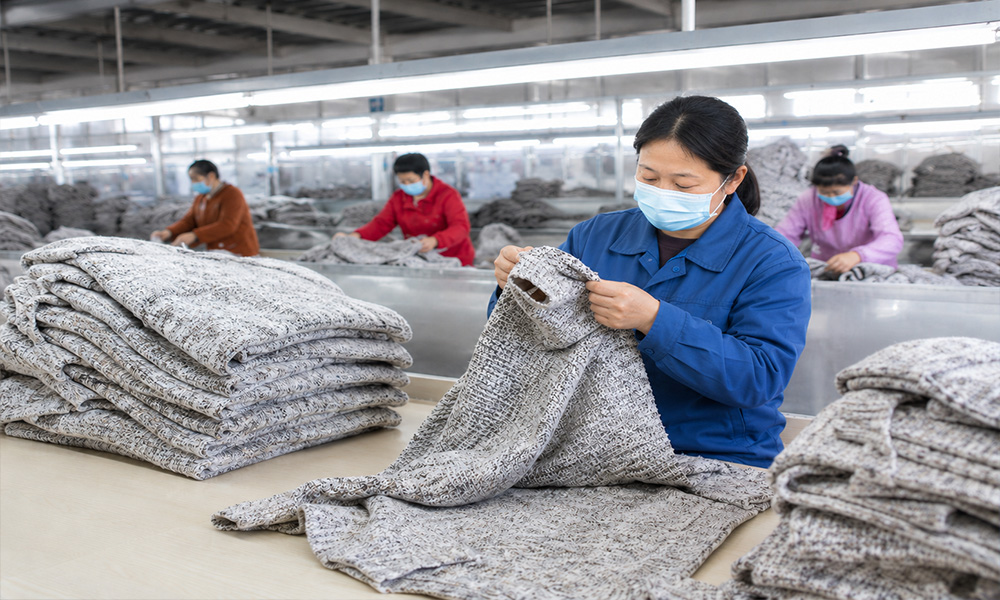
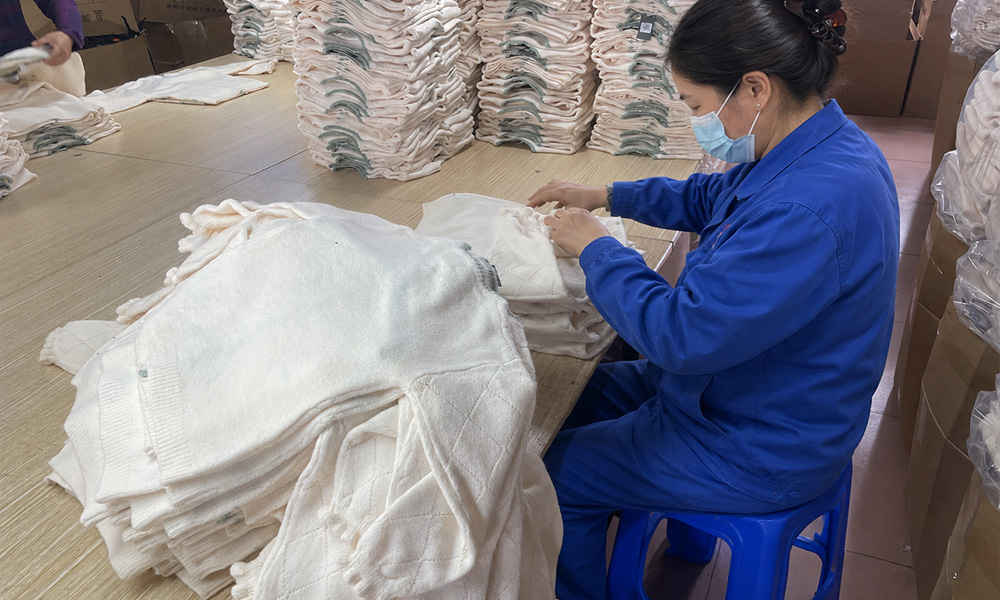
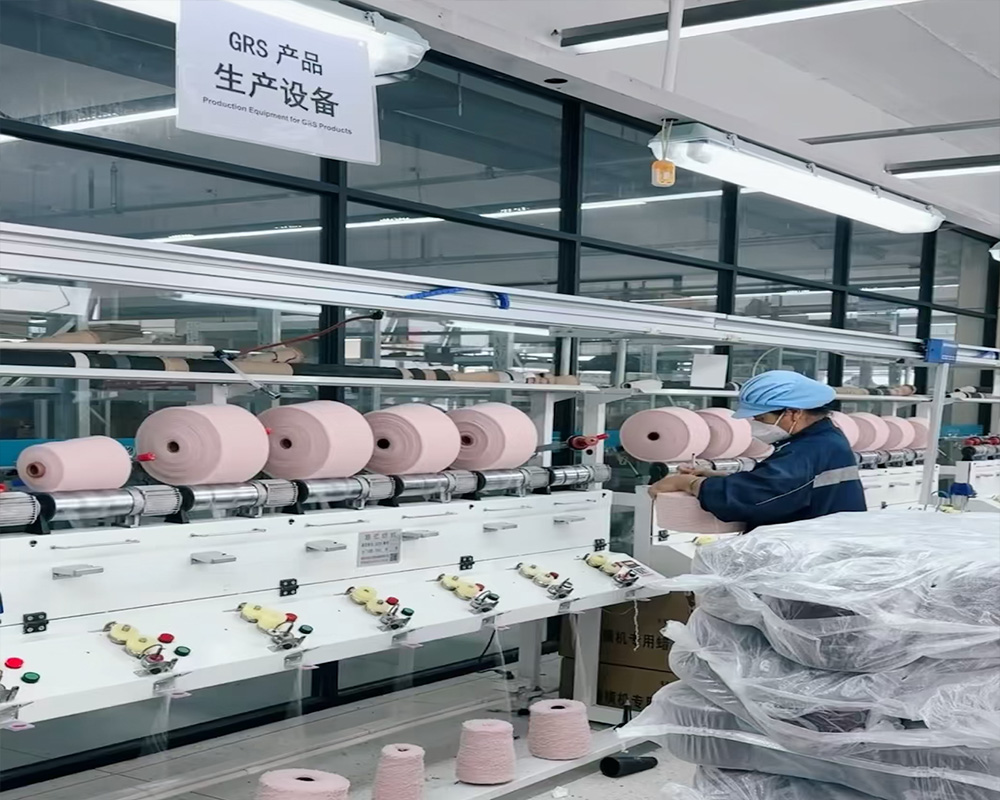
Knitwear quality control and sweater inspection process for OEM production

Knitwear Quality Management

Knitwear Quality Control & Product Safety

Qingdao Qite Garments Co., Ltd. manages knitwear quality through material inspection, approved sample control, in-line production checks, needle and metal detection, final inspection, packing verification, and shipment preparation.

  • Approved Sample Control
  • In-Line Inspection
  • Needle & Metal Detection
  • Packing Verification
View Quality Control Process

Integrated Quality Control

Quality Control From Approved Sample to Packing

Qingdao Qite Garments Co., Ltd. applies defined knitwear quality controls across specification review, material confirmation, bulk production, finishing, final garment inspection, labeling, packing, and carton verification.

  1. 01

    Specification & Sample Standard

    Confirmed technical information and approved samples establish the reference standard before bulk production.

    • Size specifications and tolerances
    • Yarn, color, gauge, and stitch structure
    • Workmanship, trims, labels, and packing instructions
  2. 02

    Material & Pre-Production Control

    Materials and production details are reviewed before bulk manufacturing begins.

    • Yarn lot and shade consistency
    • Composition information and hand feel
    • Trims, accessories, and pre-production confirmation
  3. 03

    Knitting & In-Line Inspection

    Knitted panels and key construction details are inspected during bulk production.

    • Gauge, stitch density, and structural details
    • Panel dimensions and color consistency
    • Missed stitches, holes, loose yarns, and surface defects
  4. 04

    Linking, Assembly & Finishing

    Assembly and finishing stages are checked for construction, alignment, shape, and surface condition.

    • Linking, seams, neckline, sleeves, and joins
    • Washing, drying, pressing, and shaping
    • Stains, distortion, loose yarns, and finishing marks
  5. 05

    Measurement & Final Inspection

    Finished garments are checked against the approved sample, specification, and confirmed inspection criteria.

    • Measurements, weight, shape, and garment balance
    • Color, workmanship, surface condition, and appearance
    • Quantity and sample-to-bulk conformity
  6. 06

    Labels, Packing & Carton Verification

    Product identification and packing details are verified before shipment preparation.

    • Care labels, size labels, hang tags, and barcodes
    • Folding, poly bags, assortment, and packing ratio
    • Carton quantity, carton marks, and shipment information

Product Safety Control

Needle & Metal Detection Control

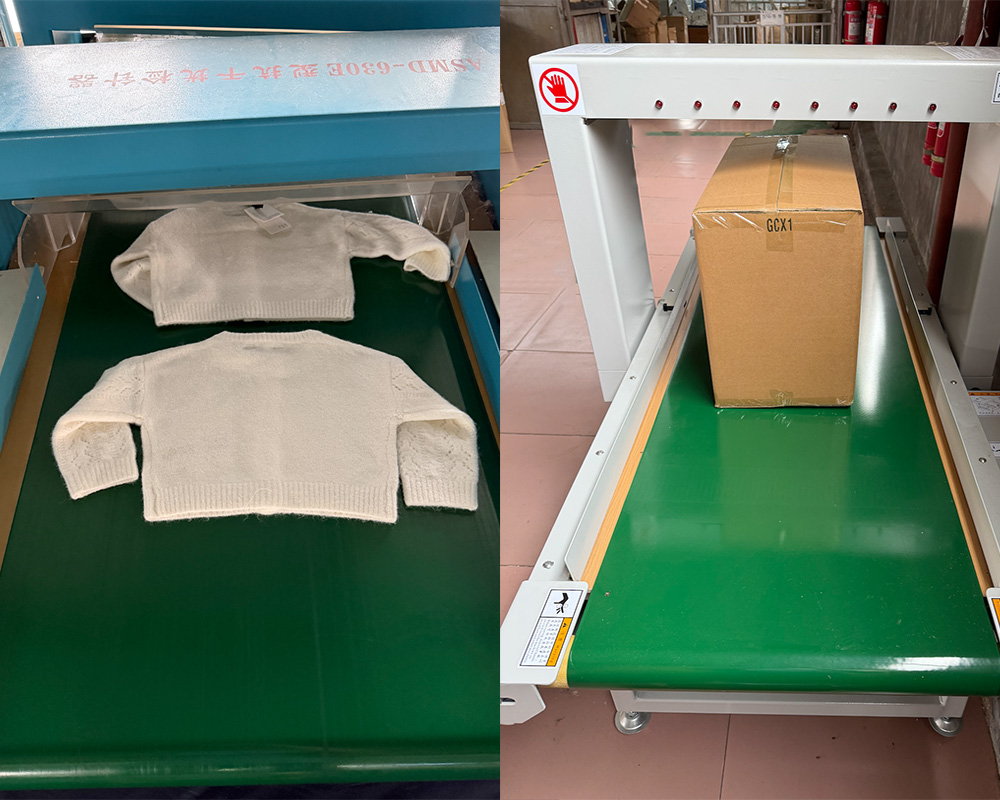
Needle and metal control covers needle issue, broken-needle response, finished-garment detection, equipment verification, and inspection records according to the applicable product and order requirements.

Needle and metal detection equipment for finished knitwear inspection
Finished knitwear is processed through the applicable needle or metal detection equipment at the defined inspection stage.

Controlled Detection Procedure

Needle control starts with the issue and return of production needles and continues through incident handling, garment detection, equipment checking, and result recording.

  • Needle control: issue, replacement, return, and usage records.
  • Incident control: affected work isolation, fragment recovery, and area verification.
  • Detection control: finished-garment inspection at the defined production stage.
  • Record control: equipment checks, detection results, exceptions, and release status.
  1. 01

    Needle Issue & Return

    Machine and hand-sewing needles are issued, replaced, returned, and recorded through the applicable production procedure.

  2. 02

    Broken-Needle Management

    Affected production is stopped and isolated. Fragments, garments, tools, and the surrounding work area are checked before release.

  3. 03

    Finished-Garment Detection

    Finished garments pass through the applicable detection equipment after relevant finishing operations and before shipment preparation.

  4. 04

    Equipment Verification

    Detection equipment is checked before use and at defined intervals. Verification status is recorded with the corresponding inspection activity.

Application Scope

The detection method and inspection stage are determined by garment construction, approved metal components, packaging format, product category, and confirmed order requirements.

Social Compliance Management

Responsible Manufacturing & Social Compliance

Social compliance management covers workplace safety, employment documentation, attendance and wage records, management procedures, corrective action tracking, and production unit follow-up.

Workplace safety management in knitwear production quality control
Workplace conditions, emergency access, equipment safety, employee documentation, and management records are reviewed through defined social compliance procedures.

Compliance Management Scope

Social compliance is managed separately from product quality inspection. The management scope focuses on workplace conditions, employment records, legal documentation, internal procedures, and corrective action follow-up.

  • Workplace conditions: fire safety, emergency access, electrical safety, equipment, occupational health, and facility records.
  • Employment documentation: employee files, contracts, attendance, working hours, wage information, and required records.
  • Management procedures: assigned responsibilities, written procedures, document retention, internal review, and grievance mechanisms.
  • Corrective action: finding review, responsibility assignment, evidence collection, verification, and follow-up status.
  1. 01

    Workplace Safety Management

    Safety management covers emergency routes, fire equipment, electrical access, machine condition, occupational health, warehouse controls, and supporting facility records.

  2. 02

    Labor Documentation

    Employee files, employment contracts, identity information, attendance records, leave records, wage documentation, and legally required employment materials are maintained for review.

  3. 03

    Working Hours & Wage Records

    Attendance, regular hours, overtime, rest days, payroll details, deductions, and payment records form part of the documented social compliance review scope.

  4. 04

    Corrective Action Follow-Up

    Audit findings are reviewed, assigned, documented, supported with evidence, and followed through internal verification or subsequent re-audit activity.

Social compliance document review and corrective action tracking for knitwear factory

Ethical Trade Audit Experience

Primark Ethical Trade Social Audit Experience

The audited knitwear production unit has participated in Primark Ethical Trade Social Audit and re-audit processes. The audit scope includes workplace safety, labor documentation, working-time and wage records, management procedures, and corrective action follow-up.

Audit Framework
Ethical Trade Social Audit and periodic re-audit activity.
Production Unit
Knitwear production unit within the managed manufacturing structure.
Review Scope
Safety, labor records, working hours, wages, procedures, and workplace documentation.
Follow-Up Method
Corrective action records, supporting evidence, verification, and subsequent re-audit review.
Audit Statement

Audit participation is presented as social compliance management experience. It is not presented as product certification, unconditional approval, or confirmation that every audit finding has been closed.

Buyer Questions

FAQ About Knitwear Quality Control

Quick answers for brands and buyers reviewing sweater inspection, measurement control, workmanship, needle detection and export packing.

What is checked before sweater bulk production?

We review approved samples, yarn composition, gauge, measurements, workmanship standard, labels, packing method and buyer-specific requirements before bulk production starts.

How do you control measurements and fit?

Measurements are checked against the approved size specification, base size, tolerance and sample standard. Fit comments are followed during sample and bulk preparation.

Do you inspect workmanship during production?

Yes. Workmanship inspection covers knitting defects, linking seams, collar and cuff construction, trims, washing, finishing and visible garment appearance.

How is needle or metal detection handled?

Finished garments can be checked through needle and metal detection procedures, with records maintained according to buyer and product requirements.

What is checked before export packing?

Final checks include labels, hang tags, polybags, carton marks, assortment, packing quantity, shipping marks and buyer-specific packing instructions.

Does quality control cover computerized flat knitting?

Yes. Quality review can include yarn, gauge, knitted structure, machine setting and STOLL computerized flat knitting support for custom sweater production.

Project Information Review

Submit Knitwear Project Requirements

Project evaluation is based on product specifications, materials, construction, quantity, quality requirements, packing method, and delivery schedule.

Information for Initial Review

  • Product image, sample, sketch, or technical specification
  • Yarn composition, gauge, stitch structure, and color
  • Size range, quantity, inspection criteria, and quality standard
  • Labels, packaging, destination market, and delivery date
Submit Project Information

Available information can be submitted first. Remaining details are reviewed during the initial project assessment.