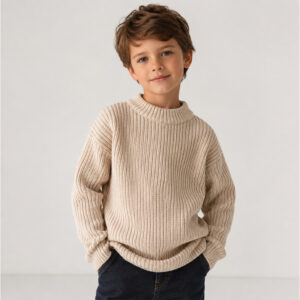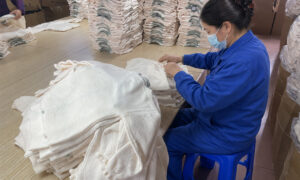

A photograph can show the surface of a sweater, but it rarely tells a buyer how that garment was built. Two quotes for a similar-looking pullover may refer to different panel construction, assembly work and production constraints. Before comparing prices, ask each supplier to describe the manufacturing route it has quoted.
This guide is for brands ordering knitted sweaters, not for people choosing hand-knitting instructions. If you need an overview of QITE’s development and production support, start with our knitwear manufacturing capability and Custom Sweaters page.
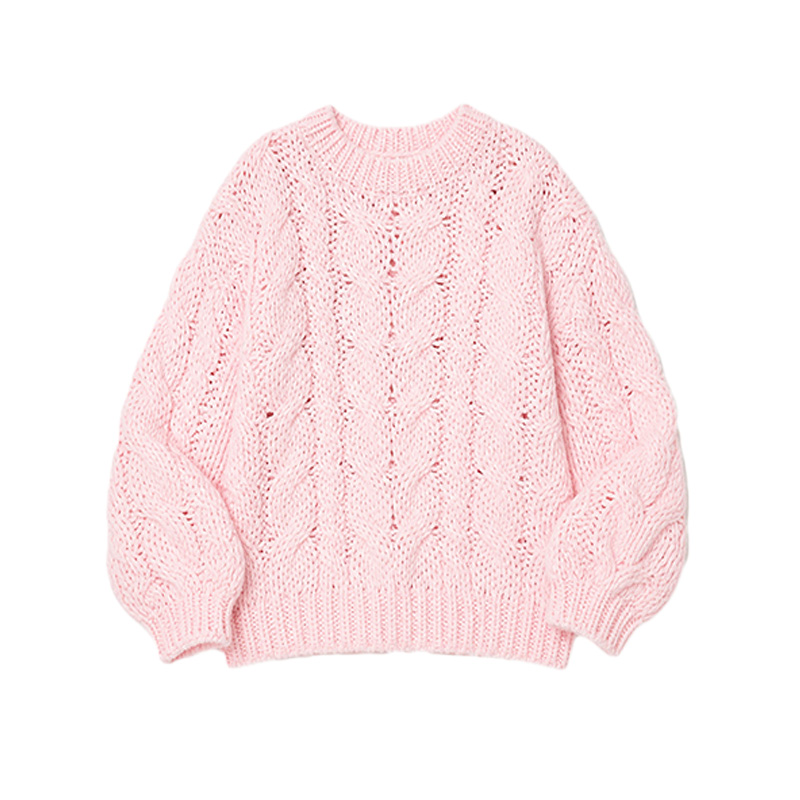
Three construction routes that can sit behind a sweater quote
CottonWorks’ sweater-manufacturing overview distinguishes cut-and-sew, knitted panels, fully fashioned shaping and whole-garment knitting. These are construction routes, not automatic quality grades. The yarn, stitch, fit, finishing and inspection still matter.
| Route | What the buyer should expect to see | Question to put on the quote |
|---|---|---|
| Cut-and-sew knit | Knitted fabric is cut into garment parts and sewn. Edges and seam allowances need clear specifications. | Which pieces are cut, and what edge/seam finish is proposed? |
| Knit panels / fully fashioned | Parts are knitted to a planned shape and then assembled; fully fashioned shaping may leave visible fashion marks. | Which parts are shaped, and how will the neck, armhole and shoulder be joined? |
| Whole-garment knitting | A specialized machine can knit the garment in three dimensions with little or no conventional joining. | Is this equipment and construction actually included in this project’s quote? |
“Seamless” should never be inferred from a picture. SHIMA SEIKI describes its WHOLEGARMENT technology as three-dimensional, seam-free knitting; that description does not establish that every sweater factory—or QITE’s particular project—uses it. Ask for the exact construction and a physical sample.
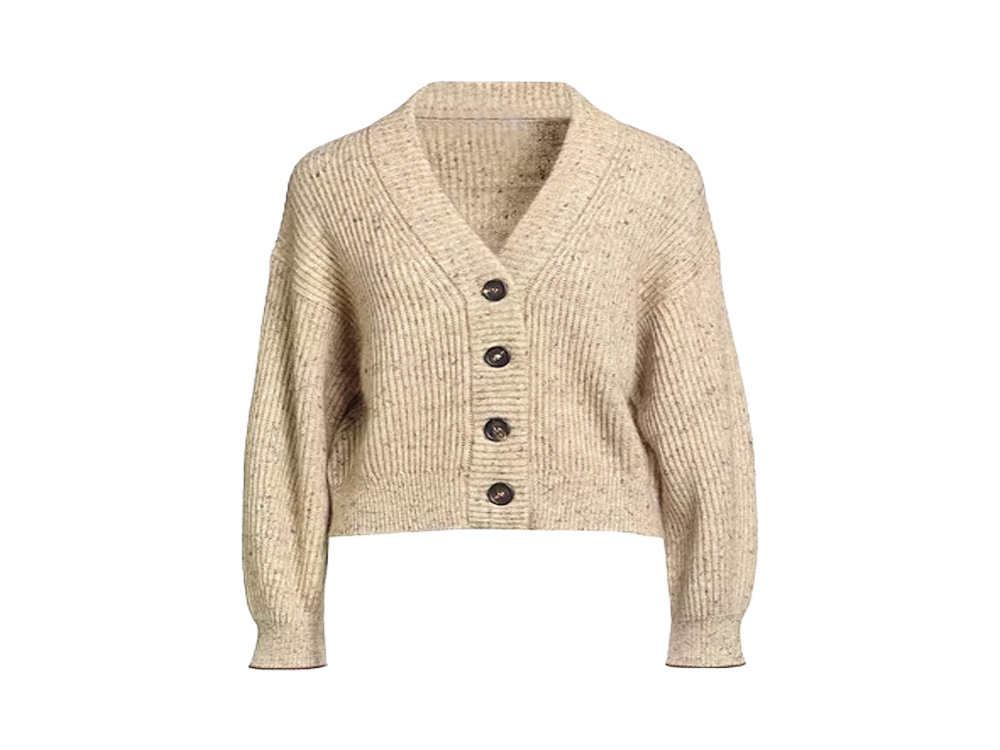
Why the route changes the questions you ask
For a plain crewneck, the discussion may center on fit, rib recovery and shoulder finish. An engineered stripe, a shaped neckline or a large knitted motif adds different decisions: where the pattern begins on each size, whether it crosses a seam, and whether the artwork stays aligned after assembly. CottonWorks’ machinery guide explains how flat-bed shaping changes the garment panel itself; it is not simply a decorative stitch choice.
There is no universal “best” route. A clean cut-and-sew sweater can be suitable for a program whose fabric and sewing specifications are controlled. A fully fashioned panel can help when the intended edge and shaped silhouette are central to the design. A whole-garment option is meaningful only if the supplier can support the exact style, yarn, sizes and machine programming. The useful comparison is a comparison against your approved garment, not against an abstract ranking of machines.
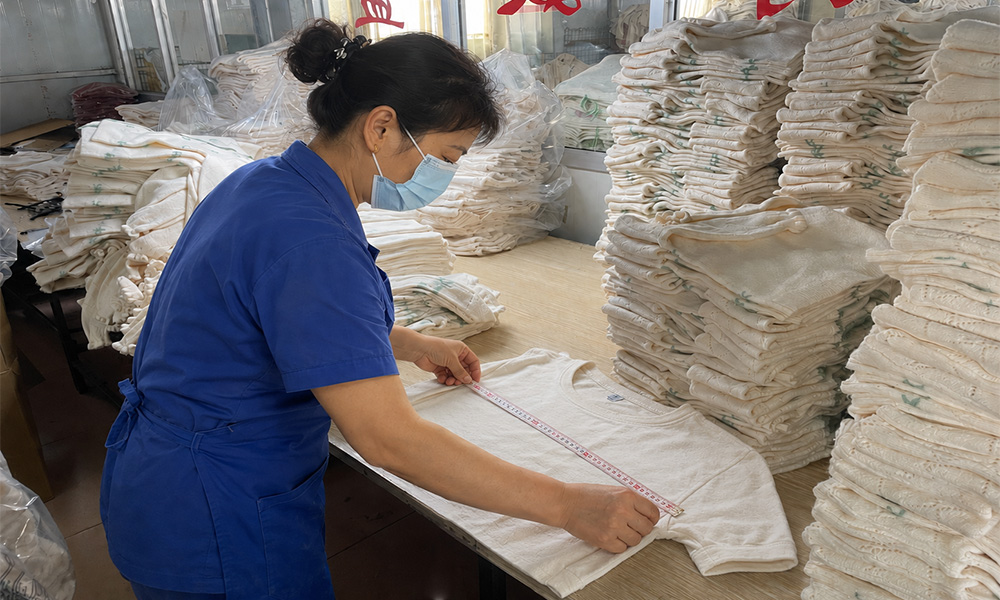
A worked example: a striped cardigan across four sizes
Imagine a buyer sends a reference photo of a cardigan with a dark body, two horizontal sleeve stripes and a contrast placket. The example is illustrative, not a QITE order. A photo alone leaves several production questions unresolved:
- Do the stripes align at the sleeve seam in all four sizes, or is their position measured from the cuff?
- Is the placket knitted with the front panel or attached afterward?
- Does “same cardigan” mean identical stripe width in every size, or the same visual proportion?
- Which sample size establishes the approved stripe and button placement?
The answer may affect panel programming, assembly and sample review more than the choice between two similar yarn compositions. Put the intended stripe coordinates and placket construction in the custom sweater tech-pack record so both suppliers price the same design. If the design changes after sample approval, ask for a revised scope rather than assuming the old price still applies.
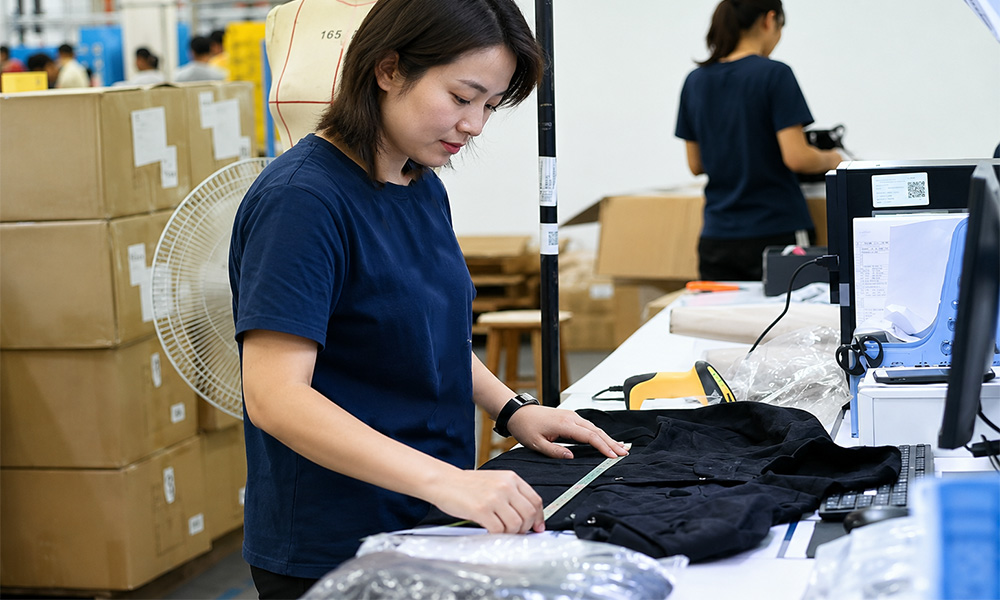
Compare quotes with a construction note, not just a unit price
Send a short construction note with the reference image: silhouette and target size range; yarn composition or performance objective; gauge and stitch reference if known; cut/knit-to-shape expectation; artwork placement; seam, neck and rib details; and your intended labels and packaging. Ask the supplier to mark anything it proposes to change. A useful quotation can then state the assumed route, sample scope and items not yet confirmed. The yarn-and-gauge guide can help narrow the fabric decision without treating gauge as a shortcut for garment quality.
For QITE projects, our own production foundation is in sweaters and knitwear. We review the design, reference sample or tech pack against a feasible construction, then clarify sampling and bulk-production requirements; no article can promise that every method above is available for every style. If you want a route-specific review, send your reference and target size range through Contact Us. You can also see how QITE Garments presents its wider B2B sourcing support.