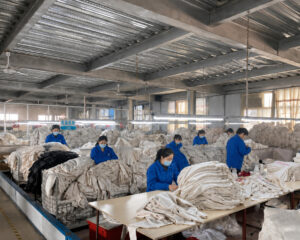
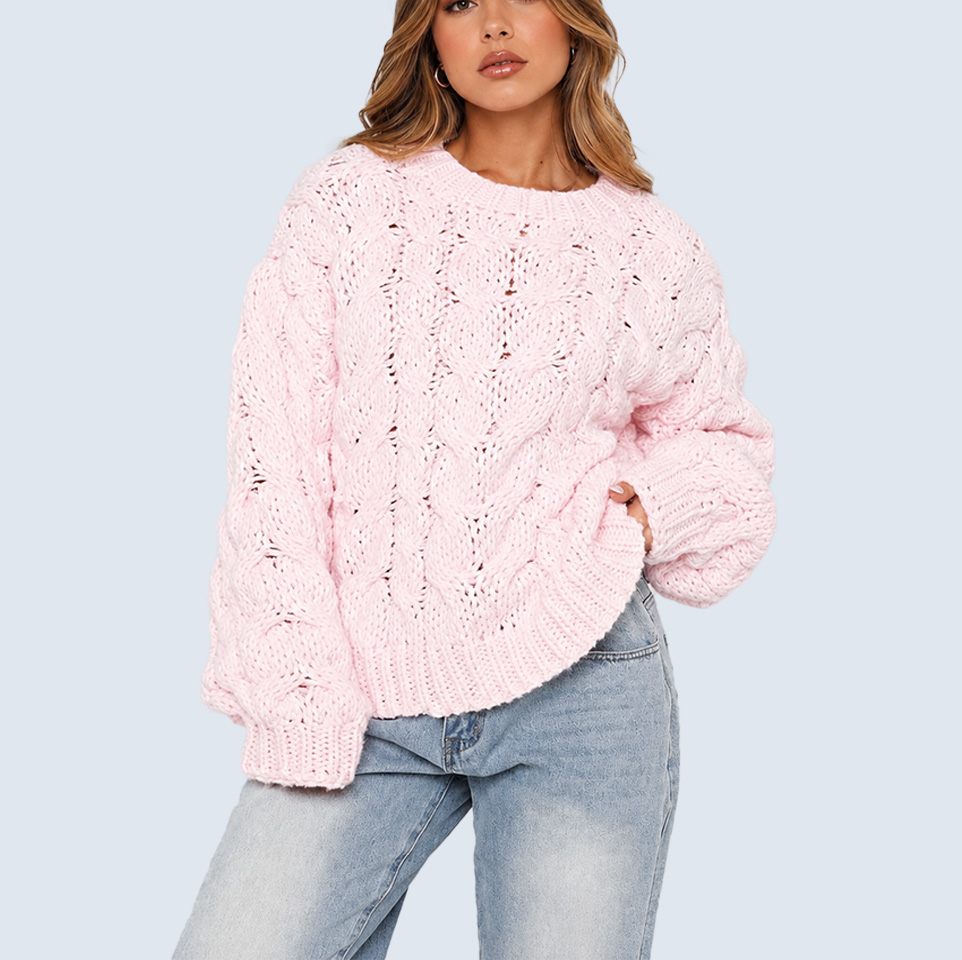
Working with an OEM women winter sweater supplier is not only about finding a factory that can make knitwear. For fashion brands, wholesalers, importers and private label buyers, the most important stage often comes after sampling and before bulk production starts.
For a related women’s program overview, see our OEM women knitted sweater production guide.
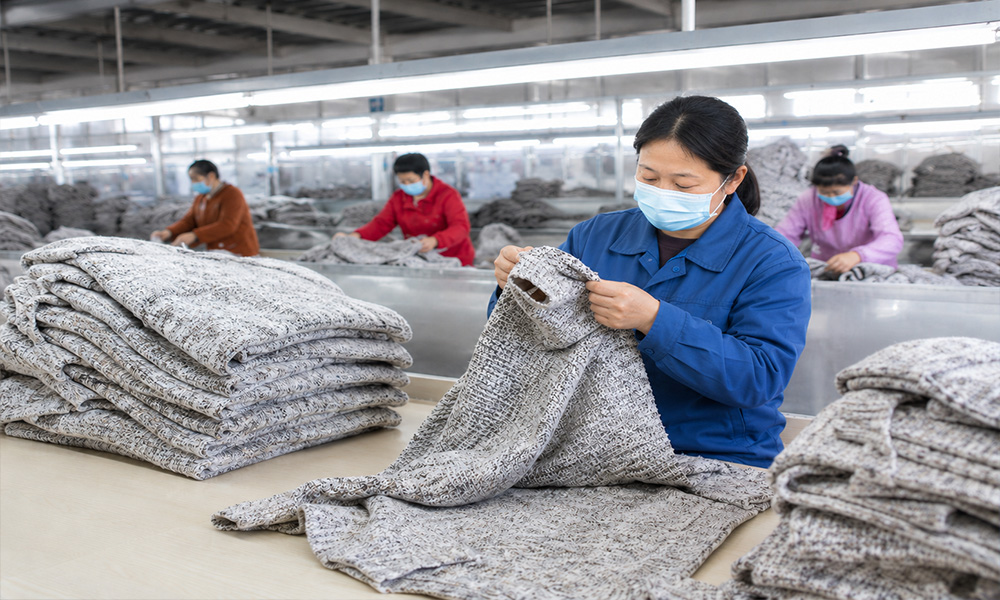
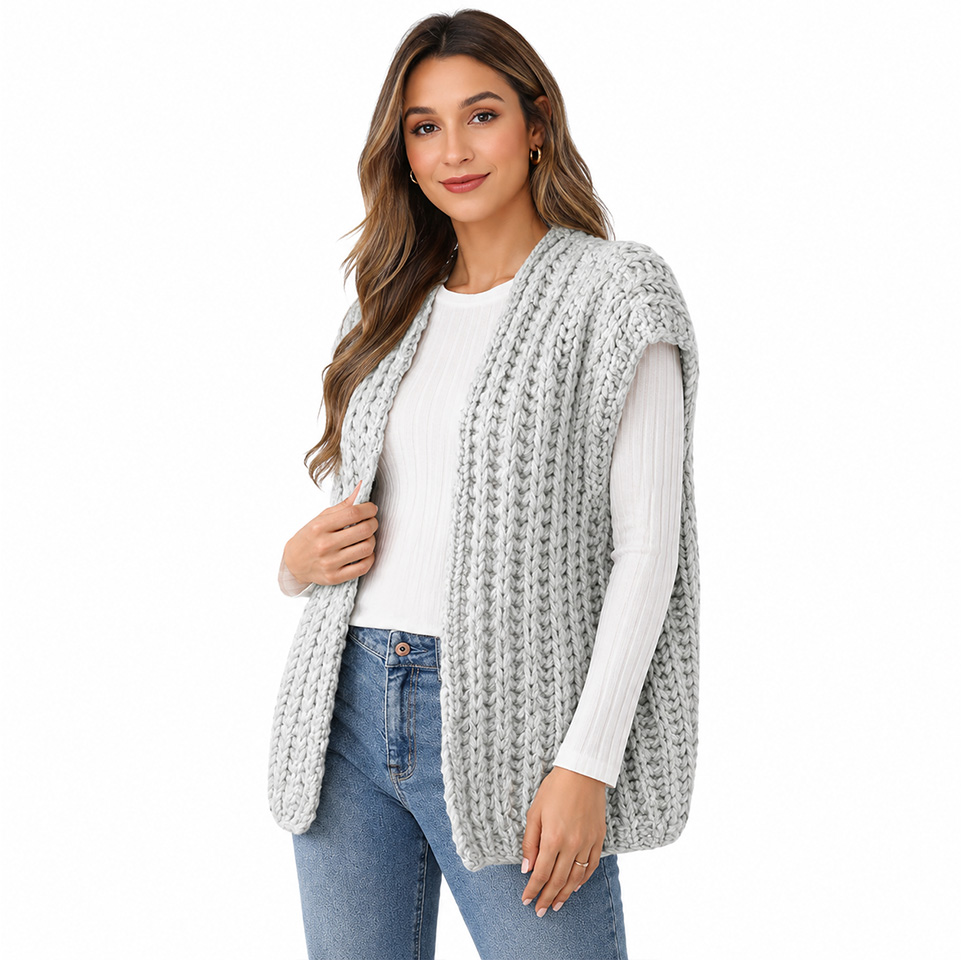
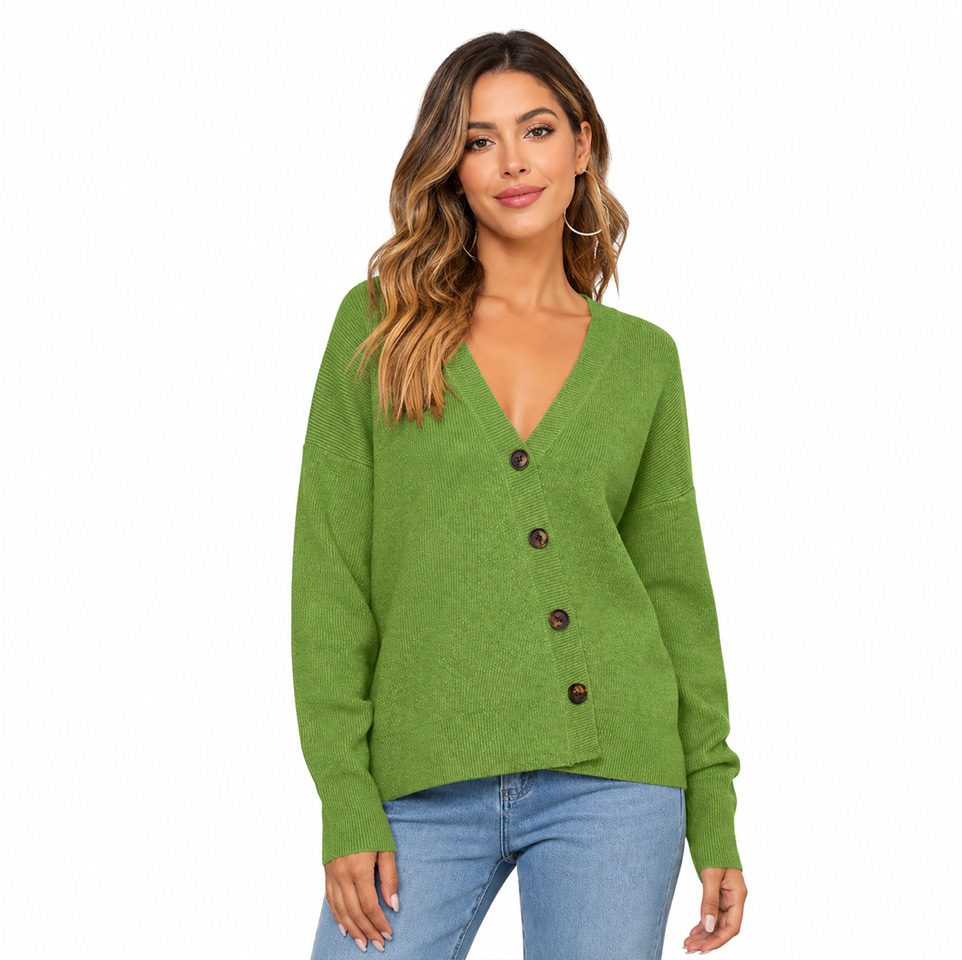
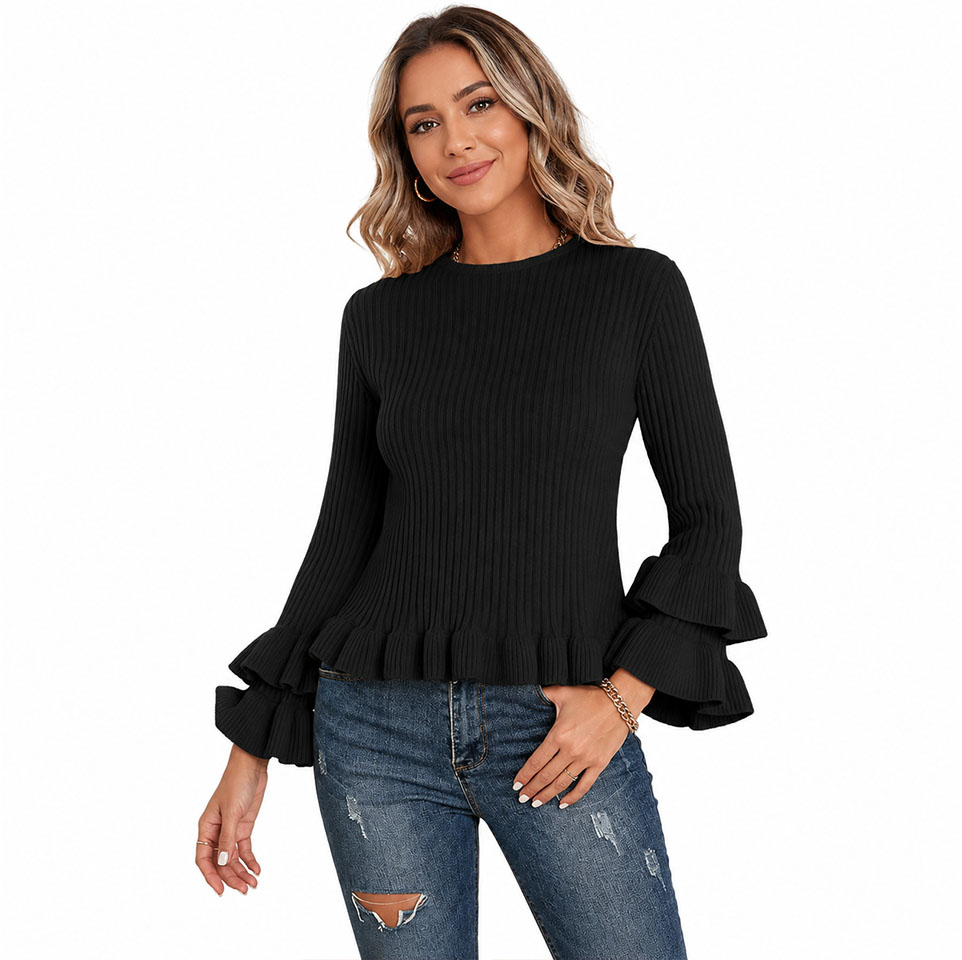
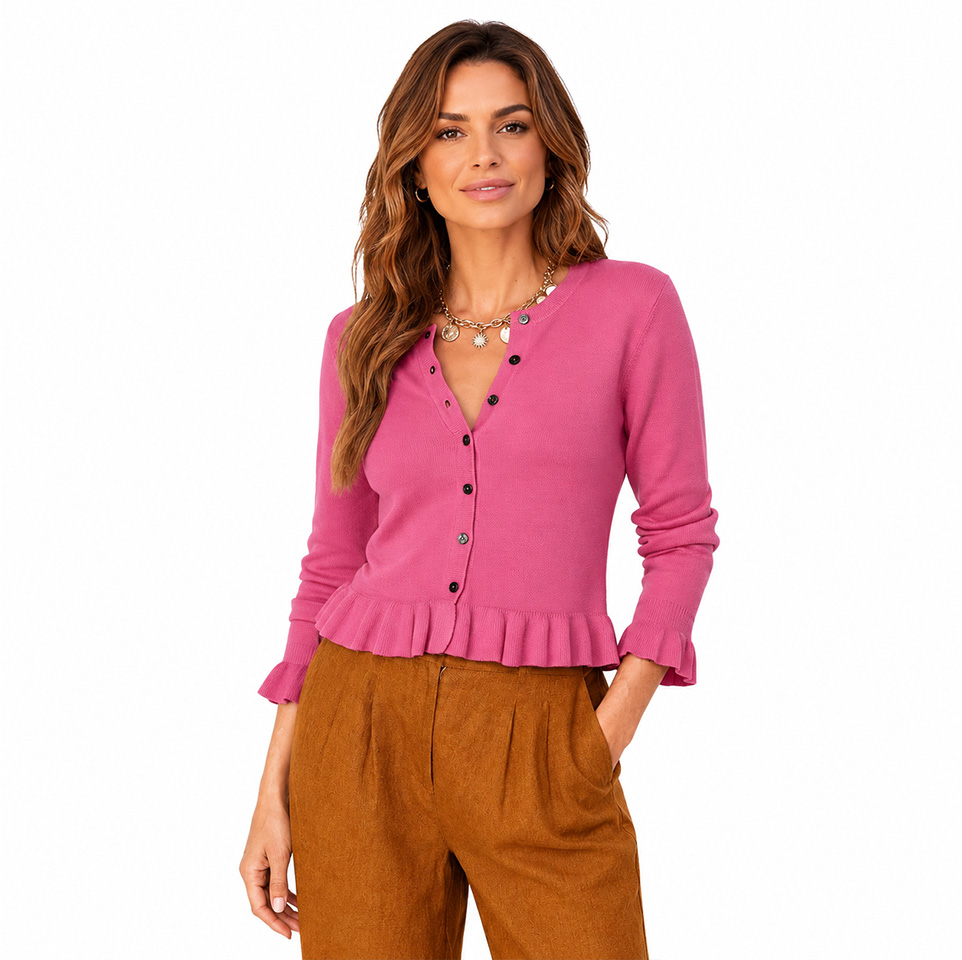
At this stage, every detail should be confirmed clearly. Winter sweaters usually involve heavier yarns, warmer hand feel, more complex knitting structures and stricter quality expectations. If yarn, sizing, color, labels, packing or testing details are not fixed before production, small misunderstandings can become costly problems in bulk orders.
Before confirming a women’s winter sweater order, brands should review the following production points with their OEM sweater manufacturer.
1. Confirm the Final PP Sample
The pre-production sample, often called the PP sample, should be the final standard for bulk production. It should represent the approved yarn, gauge, color, measurements, workmanship, trims, labels and finishing.
Brands should not rely only on a photo sample or sales sample for production approval. A winter sweater may look good in photos, but the actual production standard depends on weight, hand feel, stretch recovery, neckline shape, rib tension and washing performance.
Before bulk production, both the buyer and supplier should keep one approved PP sample as a reference.
2. Lock the Yarn Quality and Bulk Yarn Availability
Yarn is the foundation of winter sweater manufacture. For women’s winter sweaters, yarn affects warmth, softness, price, garment weight, pilling risk and care instructions.
Brands should confirm:
- Yarn composition
- Yarn count
- Ply
- Gauge
- Yarn supplier
- Stock yarn or custom-dyed yarn
- Bulk yarn lead time
- Color lot control
- Substitute yarn approval process
For example, “soft wool blend” is not enough for production. The final production file should show the exact fiber content, such as acrylic, polyester, nylon, wool, cotton, viscose, mohair or blended yarn percentages.
This is also important for labeling. In the U.S. market, FTC textile and wool labeling guidance requires many textile products to show fiber content, country of origin and the identity of the responsible manufacturer, importer or business.
3. Confirm Color Standards Before Yarn Dyeing
Color issues are common in winter knitwear production, especially when using custom yarn, mélange yarn, brushed yarn or multi-color jacquard designs.
Before production, buyers should confirm:
- Pantone number or physical color swatch
- Approved lab dip
- Bulk color tolerance
- Number of colorways
- Contrast color placement
- Stripe or jacquard layout
- Whether color approval is made under standard lighting
If the design includes several colors, the artwork or knit map should be confirmed before bulk yarn is prepared. This reduces the risk of wrong color placement during production.
4. Review Size Chart and Measurement Tolerance
Women’s winter sweaters often have relaxed, oversized, cropped or longline fits. These styles need clear measurement control because knitwear can stretch, relax or shrink after finishing.
Brands should confirm:
- Base sample size
- Full size chart
- Grading rule
- Measurement points
- Tolerance for each measurement
- Measuring method before or after steaming
- Final measurement standard after washing or finishing
Key measurements usually include chest width, body length, shoulder width, sleeve length, armhole, cuff opening, hem width, neck width and collar height.
Oversized sweaters still need accurate proportions. “Loose fit” should not become uncontrolled sizing.
5. Check Gauge, Stitch and Construction Details
Gauge and stitch structure affect cost, production time, garment weight and final appearance. Before bulk production, the supplier should confirm that the approved sample matches the final production worksheet.
Important details include:
- Machine gauge
- Stitch type
- Rib height
- Neckline construction
- Shoulder shape
- Linking method
- Cuff and hem tension
- Side seam position
- Button placket for cardigans
- Pocket or trim placement
Cable knit, rib knit, jacquard, intarsia and textured stitches all require different production control. A reliable women winter sweater supplier should explain any risk before production starts.
6. Confirm Labels and Care Instructions
Private label sweater production is not complete without correct labeling. Labels should match the product composition, destination market and brand requirements.
Brands should confirm:
- Main label
- Size label
- Care label
- Fiber content
- Country of origin
- RN number if needed for the U.S. market
- Hangtag
- Barcode sticker
- Polybag warning text if required
Care labels are especially important for winter sweaters because different yarns require different washing or dry-cleaning instructions. Under the U.S. care labeling rule, manufacturers and importers of textile wearing apparel must provide regular care instructions, and those instructions need a reasonable basis.
7. Decide Testing Requirements Before Shipment
Testing should be discussed before production, not after the goods are finished. For winter sweaters, brands often check performance related to washing, pilling, color and shape stability.
Common test items include:
- Fiber composition
- Shrinkage
- Pilling resistance
- Colorfastness to washing
- Colorfastness to rubbing
- Seam strength
- Appearance after washing
- Dimensional stability
- Button or trim attachment
Pilling is a key issue for women’s winter sweaters. ASTM D4970/D4970M covers pilling resistance and related surface changes using a Martindale tester, and it applies to many knitted and woven fabrics. For buyers, this means pilling should be evaluated through agreed testing or wear expectations, not only by touching a new sample.
8. Confirm Bulk Quality Control Standards
A good OEM sweater manufacturer should have quality control during production, not only final inspection.
Quality checkpoints should include:
- Bulk yarn checking
- Knitting panel inspection
- Linking and seam inspection
- Measurement control
- Workmanship inspection
- Color consistency
- Label placement
- Final appearance
- Packing and carton marks
Common sweater defects include dropped stitches, loose yarns, uneven measurements, twisted seams, poor rib recovery, dirty marks, odor, wrong labels and poor folding.
For larger orders, brands may use AQL inspection before shipment. Even for smaller private label orders, defect standards should be agreed in advance.
9. Confirm Packing Method and Carton Details
Winter sweaters are bulkier than lightweight apparel, so packing needs careful planning. Poor packing may cause deformation, heavy cartons or poor retail presentation.
Brands should confirm:
- Folding method
- Individual polybag size
- Hangtag position
- Sticker placement
- Size and color ratio per carton
- Carton dimensions
- Carton weight limit
- Shipping marks
- E-commerce or retail packing requirements
If the sweater is fluffy, brushed or chunky, packing should avoid excessive compression.
10. Lock the Production Schedule
Winter sweater orders are highly seasonal. A late shipment may miss the selling window even if the product quality is acceptable.
Before bulk production, confirm the timeline for:
- Bulk yarn order
- Yarn dyeing or yarn preparation
- Knitting
- Linking
- Washing and finishing
- Label attachment
- Inspection
- Packing
- Shipment booking
The production schedule should be realistic and based on yarn availability, order quantity, style complexity and factory capacity.
Final Thoughts
Choosing an OEM women winter sweater supplier is only the beginning. Before bulk production, brands need to confirm the PP sample, yarn, color, size chart, gauge, labels, testing, packing, QC standards and delivery schedule.
A reliable sweater manufacture partner should help brands identify production risks before the bulk order starts. Clear confirmation at this stage can reduce delays, improve quality consistency and make the final winter knitwear collection easier to sell.
CTA
Looking for an OEM women winter sweater supplier for your next collection? Contact us to discuss custom yarns, sampling, MOQ, private label details and bulk sweater production.
FAQ
What should brands confirm before bulk sweater production?
Brands should confirm the PP sample, yarn quality, color standard, size chart, gauge, labels, testing requirements, packaging, quality control and production timeline.
Why is the PP sample important for winter sweater production?
The PP sample works as the final production standard. It helps the buyer and manufacturer align on yarn, fit, measurements, workmanship, labels and finishing before bulk production.
What affects the quality of women’s winter sweaters?
Main factors include yarn composition, gauge, stitch structure, knitting tension, linking, washing, finishing, measurement control and pilling resistance.
Do winter sweaters need testing before shipment?
Yes. Common tests include shrinkage, pilling, colorfastness, fiber composition, seam strength and appearance after washing.
Can an OEM supplier support private label women’s sweaters?
Yes. A professional OEM sweater supplier can support custom labels, hangtags, care labels, packaging, size grading, sampling and bulk knitwear production.