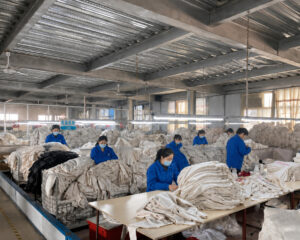
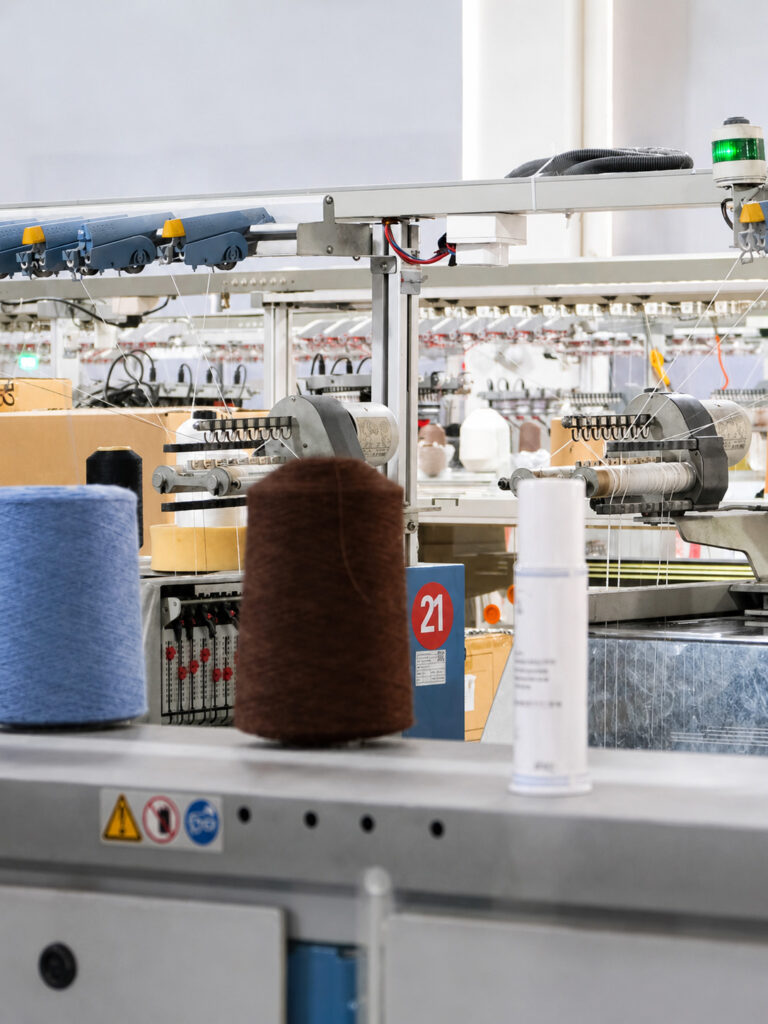
When brands search for an OEM women sweater manufacturer price, they often want a simple number. But in custom knitwear production, sweater cost is rarely fixed before the factory reviews the design details. The final price depends on yarn composition, gauge, garment weight, stitch structure, order quantity, labels, packaging, testing and delivery requirements.
For fashion brands, wholesalers, importers and private label buyers, understanding these cost factors helps make quotation discussions more efficient. It also helps buyers compare different sweater manufacturers more fairly, instead of choosing only by the lowest unit price.
A reliable OEM sweater manufacturer should explain what affects the price before sampling and bulk production begin.
1. Yarn Composition Is the Main Cost Driver
Yarn is one of the biggest factors in women sweater manufacture. Different yarns create different hand feel, warmth, stretch, appearance, durability and price.
Common yarn options include:
- Acrylic
- Cotton
- Wool
- Viscose
- Nylon
- Polyester
- Mohair
- Core-spun yarn
- Recycled yarn
- Blended yarns
A basic acrylic sweater and a wool-blend sweater may look similar in photos, but their material cost and final hand feel can be very different. Premium fibers, special blends, brushed yarns, metallic yarns or certified materials usually increase the price.
Before asking for a quotation, buyers should confirm the preferred yarn direction, target season and hand feel. If the exact yarn is not decided yet, the manufacturer can recommend options based on the target price.
2. Garment Weight Affects Yarn Consumption
In custom knitwear cost, garment weight matters because sweaters are made directly from yarn. A heavier sweater uses more material, which increases the unit price.
For example, an oversized winter pullover, chunky cardigan or cable knit sweater usually consumes more yarn than a lightweight fine-gauge knit top. Even if two styles use the same yarn composition, the heavier garment will often cost more.
Buyers should ask the supplier to review:
- Approximate garment weight
- Body length
- Sleeve length
- Fit type
- Gauge
- Stitch density
- Yarn consumption per piece
This is why a sweater manufacturer may not give an accurate price from only one reference photo.
3. Gauge and Machine Time Influence Production Cost
Gauge refers to the knitting machine setting used to create the sweater. Lower-gauge sweaters are usually heavier and chunkier. Higher-gauge sweaters are finer and lighter.
Gauge affects:
- Production speed
- Yarn count
- Fabric density
- Stitch appearance
- Machine allocation
- Final garment weight
Complex structures may take longer machine time, which can raise the price. A simple jersey sweater is usually easier to produce than a jacquard, intarsia, cable knit or textured pattern.
QITE GARMENTS supports OEM/ODM sweater manufacturing with yarn planning, gauge review, sample development, costing, private label packing and export coordination.
4. Design Complexity Changes the Price
The more complex the design, the more production control it needs. Some details increase knitting time, linking time, workmanship difficulty or sample revision time.
Design details that may affect price include:
- Cable knit
- Jacquard
- Intarsia
- Stripes
- Pointelle
- Embroidery
- Applique
- Contrast color panels
- Special neckline construction
- Button plackets
- Pockets
- Rib details
- Custom patterns
For women’s fashion sweaters, design details can improve product value, but they should match the target price and MOQ. A good knitwear manufacturer can help buyers adjust the design without losing the main style direction.
5. MOQ, Colors and Size Range Affect Unit Price
Order quantity has a direct impact on sweater pricing. When the quantity is higher, yarn purchasing, machine setup and production planning can be more efficient.
MOQ may be affected by:
- Yarn availability
- Number of colors
- Number of sizes
- Custom dyeing
- Special trims
- Pattern complexity
- Packaging requirements
For example, one style in one color is usually easier to quote than one style in five colors with a wide size range. If the order quantity is too small, the cost per piece may be higher because setup and development costs are spread across fewer garments.
At QITE GARMENTS, the standard MOQ starts from 500 pcs per style, with final MOQ depending on yarn composition, gauge, color count, size range, trims and packaging requirements.
6. Sampling and Revisions Add Development Cost
Sampling is necessary before bulk production, especially for private label sweaters and custom women’s knitwear. The sample helps confirm yarn, fit, measurements, color, workmanship and overall appearance.
A sample may need revision if:
- The hand feel is not right
- The size is off
- The color needs adjustment
- The stitch structure does not match the design
- The garment weight is too heavy or too light
- The target price cannot support the original material choice
QITE GARMENTS usually supports sample development in 7-10 days after design references, yarn, gauge, color and measurement details are confirmed. Clear information at the beginning helps reduce unnecessary sample revisions.
7. Labels and Packaging Also Affect Cost
Private label knitwear requires more than garment production. Labels, hangtags, packaging and carton marks all affect the final cost.
Buyers should confirm:
- Main label
- Size label
- Care label
- Hangtag
- Barcode sticker
- Polybag
- Carton mark
- Folding method
- Retail packing
- E-commerce packing
Simple bulk packing costs less than customized retail packaging. If the brand needs special polybags, hangtags, barcode labels or individual packing instructions, these details should be included in the quotation request.
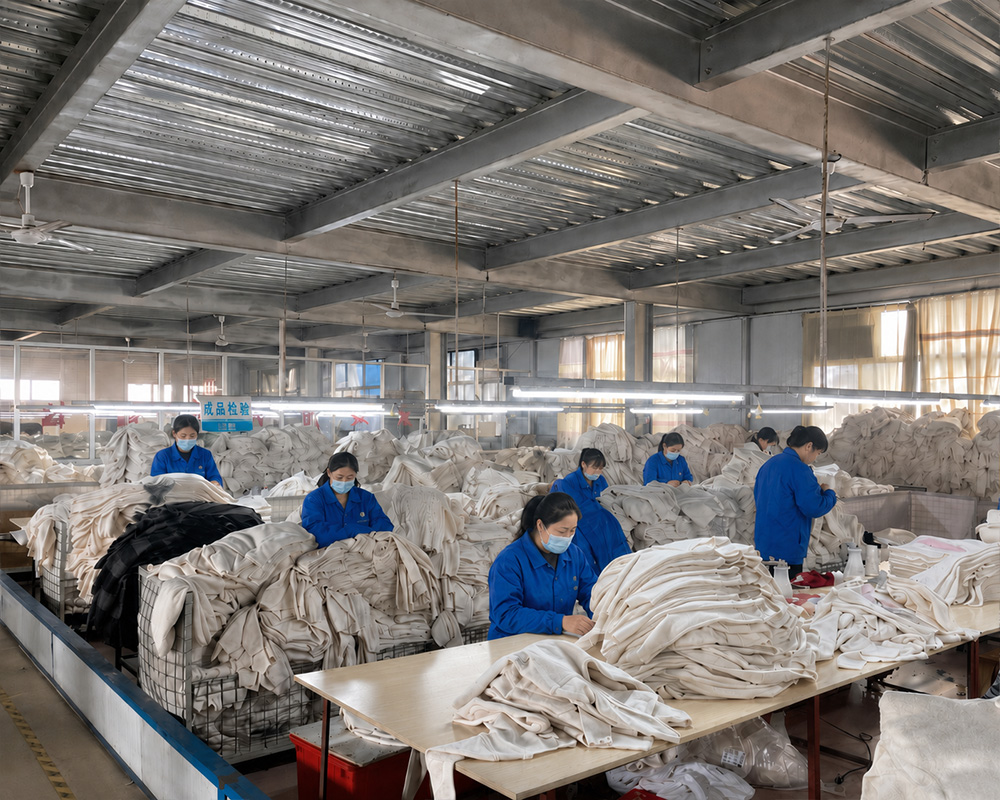
8. Testing and Quality Control Should Be Included
Quality control adds cost, but it also protects the order. For women’s sweaters, buyers may need to check shrinkage, pilling, colorfastness, fiber composition, measurements and appearance after washing.
Important inspection points include:
- Yarn and color consistency
- Measurement tolerance
- Knitting defects
- Loose yarns
- Linking and seams
- Neckline shape
- Rib recovery
- Label position
- Packing accuracy
- Carton quantity
Buyers can review QITE GARMENTS’ sweater quality control process to understand how measurement checks, workmanship inspection, packing verification and shipment preparation are managed.
9. Delivery Time and Seasonality Can Affect Price
Sweater production is seasonal. Fall/Winter orders often create higher factory demand, especially for heavier gauges and warmer yarns. If the order is urgent, the manufacturer may need to adjust production scheduling, source yarn faster or prioritize machine capacity.
A clear production plan should include:
- Yarn sourcing
- Lab dips if needed
- Sample approval
- Bulk yarn preparation
- Knitting
- Linking
- Washing and finishing
- Inspection
- Packing
- Shipment
For smoother pricing and delivery, buyers should start development early and confirm production details before peak season.
What Buyers Should Send for an Accurate Sweater Quotation
To receive a more accurate price from an OEM women sweater manufacturer, buyers should prepare:
- Reference photo, sketch or tech pack
- Target yarn composition
- Gauge direction if known
- Size chart
- Quantity
- Color options
- Target price
- Label and packaging details
- Destination market
- Delivery deadline
If you do not have a complete tech pack, reference images and target details are still helpful for an initial review.
Final Thoughts
OEM women sweater manufacturer price depends on many production details. Yarn, garment weight, gauge, design complexity, MOQ, color count, labels, packaging, testing and delivery timing all affect the final custom knitwear cost.
For brands and private label buyers, the best way to get a clear quotation is to share detailed product information and discuss cost drivers with the manufacturer before sampling. A reliable sweater manufacture partner should help you balance design, quality, price and production feasibility.
Looking for a custom women’s sweater manufacturer? Contact QITE GARMENTS with your design details, quantity and target market. Our team can help review yarn options, sampling, MOQ, pricing and bulk production planning.
FAQ
Why do OEM women sweater prices vary so much?
Prices vary because of yarn composition, garment weight, gauge, stitch complexity, order quantity, color count, labels, packaging, testing and delivery requirements.
Can a sweater manufacturer quote from a photo?
A factory can usually give an initial estimate from a photo, but an accurate quotation needs yarn, size chart, quantity, gauge, color and packaging details.
What is the MOQ for custom women’s sweaters?
MOQ depends on yarn, color count, gauge, style complexity and packaging. QITE GARMENTS’ standard MOQ starts from 500 pcs per style.
What increases custom knitwear cost the most?
Yarn composition, garment weight, complex patterns, low quantity, custom dyeing, private label packaging and testing requirements usually have the biggest effect.
How can brands reduce sweater production cost?
Brands can reduce cost by choosing suitable yarns, simplifying complex details, using fewer colors, increasing order quantity, confirming details early and avoiding repeated sample revisions.