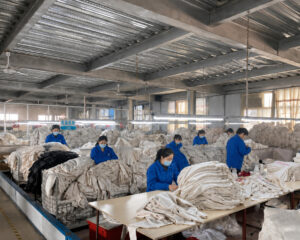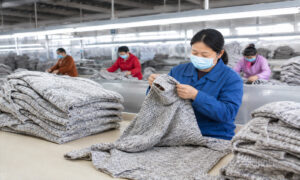
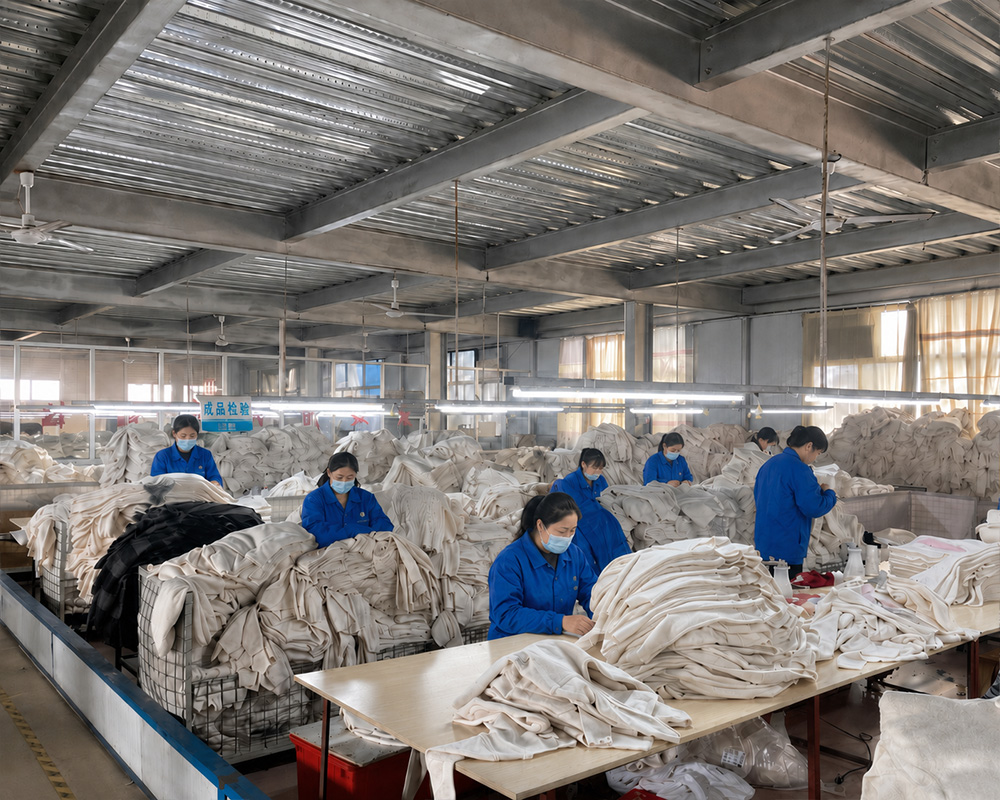
Men’s knitwear ODM services help brands turn an early product direction into a production-ready sweater program. Instead of arriving with a final tech pack, a buyer may start with reference images, a seasonal mood board, a target price, a fit idea or a customer profile. The ODM process then converts that direction into a feasible yarn, gauge, construction, sample and bulk-production plan.
For men’s sweaters, cardigans, knitted polos, vests and layering styles, a successful development process is more than copying a photo. Yarn composition, gauge, stitch structure, garment weight, fit, trims, labels, packing and bulk repeatability all need to be reviewed before the first sample is approved.
What is men’s knitwear ODM service?
ODM means Original Design Manufacturing. In men’s knitwear, it is a collaboration model for buyers who need development support before the full production specification is complete. The buyer sets the commercial and creative direction; the manufacturer helps translate it into technical decisions that can be sampled, costed and produced.
An ODM project may begin with a product concept, reference images, target market, size range, target retail level, color direction and estimated quantity. The manufacturer can then propose practical options for yarn, gauge, stitch construction, fit, trims and sample development. This is different from a typical OEM project, where the buyer normally provides confirmed specifications. Learn about both routes in our OEM/ODM knitwear service.
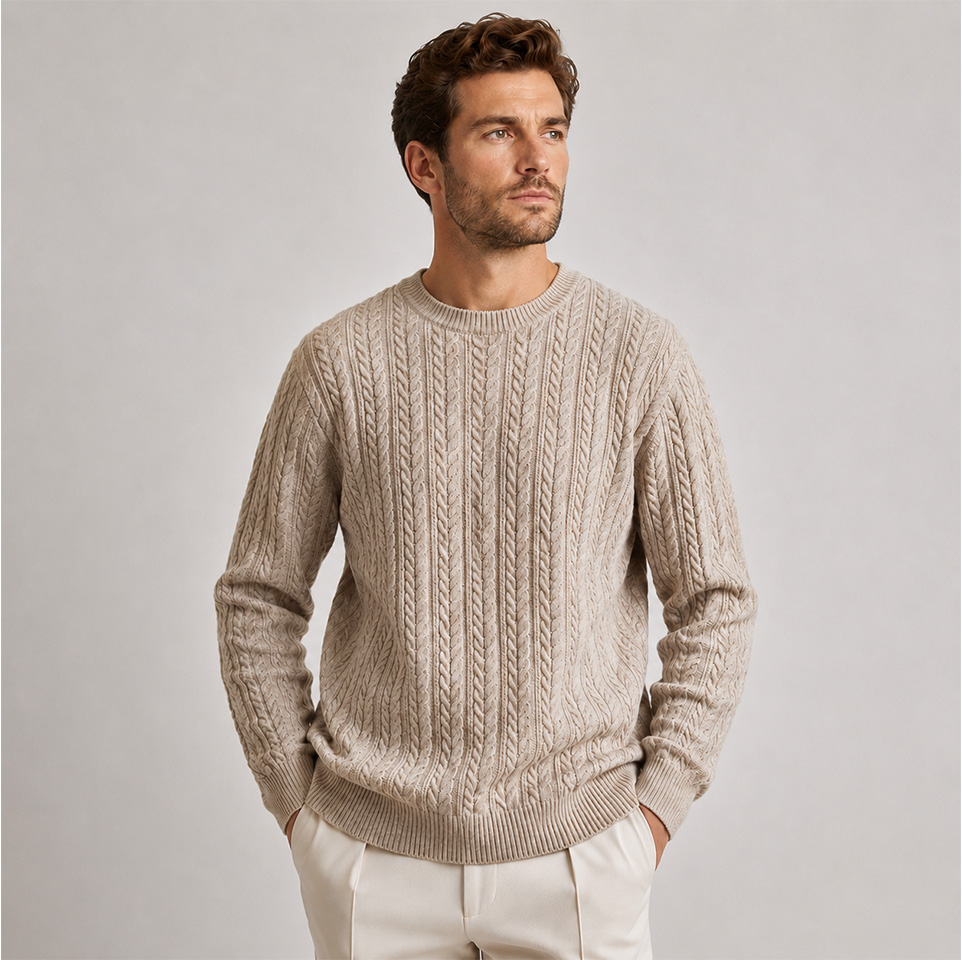
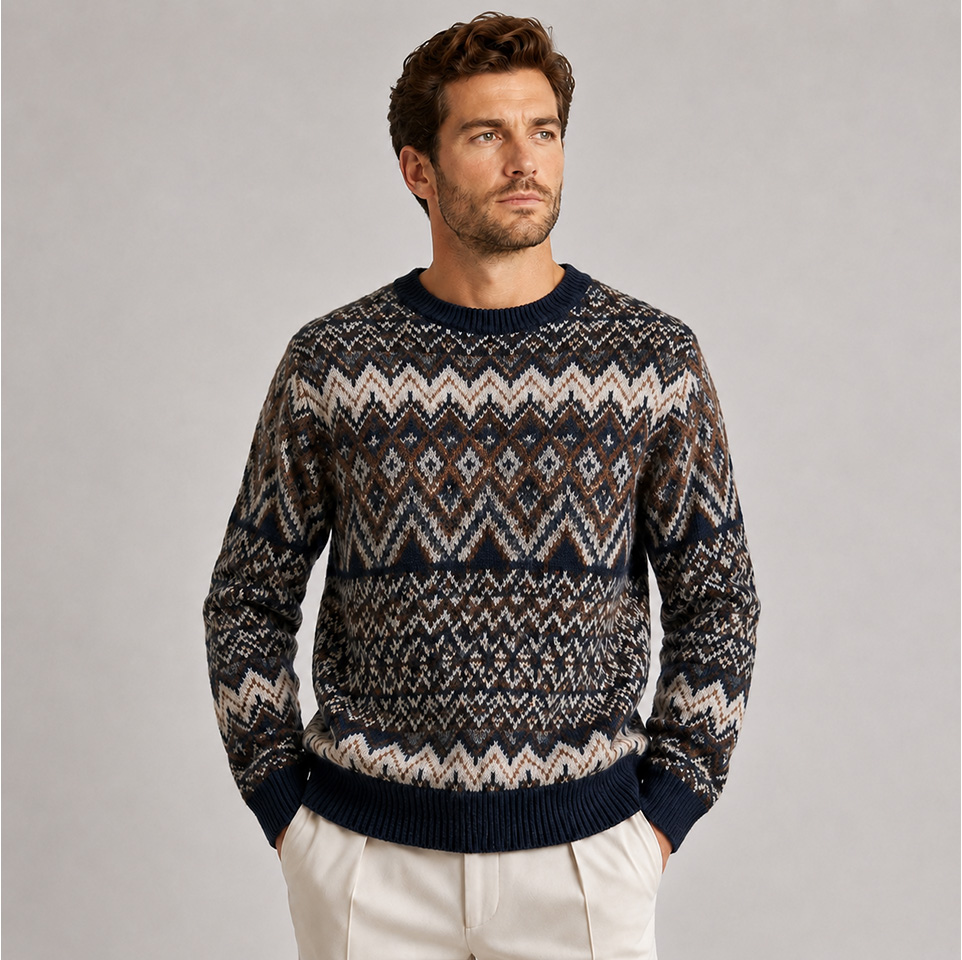
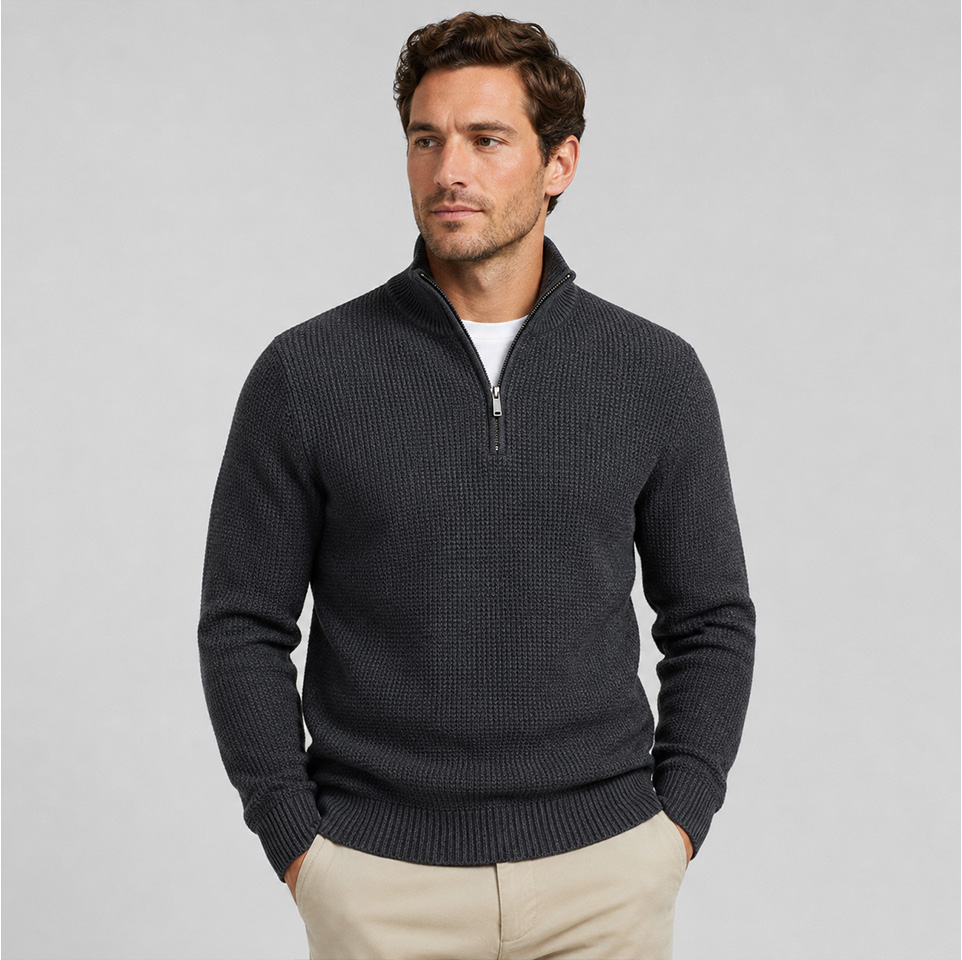
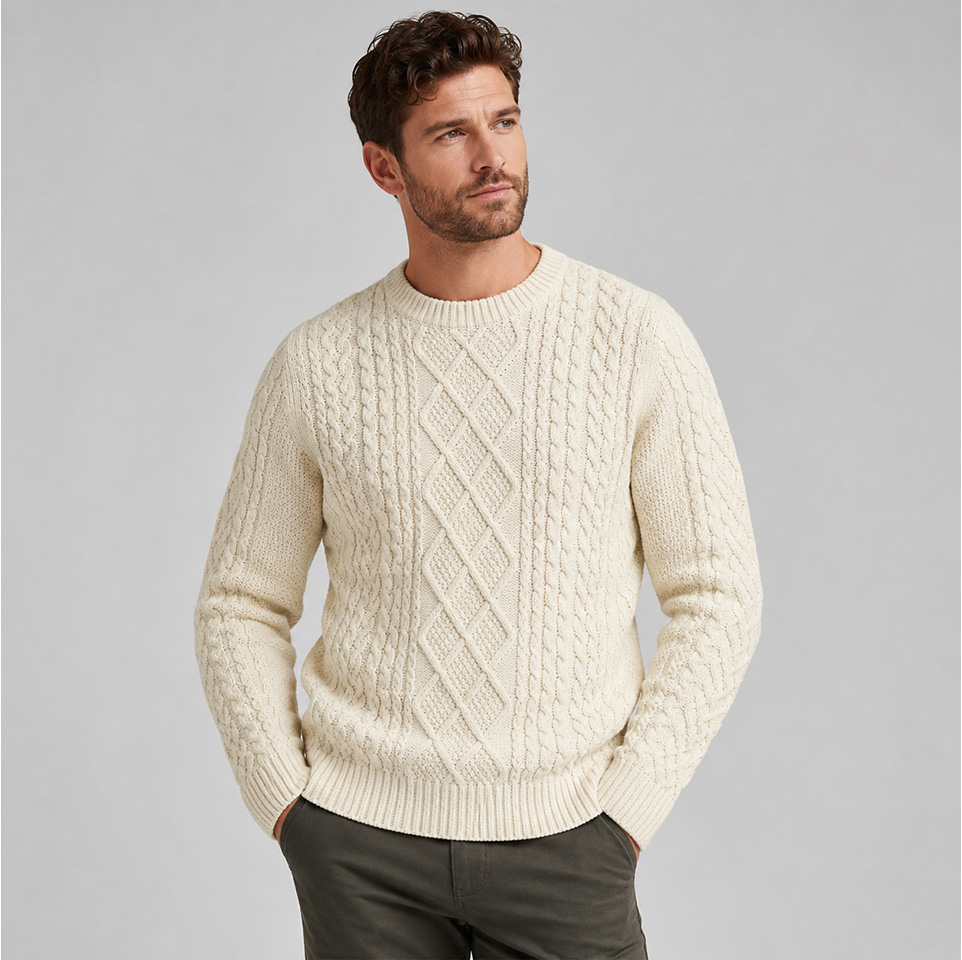
1. Start with a commercially useful design brief
A brief does not need to be a finished tech pack, but it should give the factory enough context to understand the product and its commercial constraints. “Men’s sweater” alone is too broad. A more useful brief describes the intended product, customer and target level.
- Product category and front/back reference images
- Target season and customer profile
- Fit direction: regular, relaxed, oversized, slim or layering
- Fiber or hand-feel direction, colors and texture references
- Target price range and estimated order quantity
- Size range, target market, labels, packing and timing needs
For example: “Men’s relaxed-fit cable pullover for autumn/winter, wool-blend look, neutral colors, private-label packaging and an estimated quantity by color and size.” This is enough for an ODM team to begin reviewing feasible yarn, gauge and construction options.
When your team is ready to convert the concept into technical specifications, use our guide on how to prepare a knitwear tech pack.
2. Define the men’s knitwear category
Category definition gives the factory a starting point for fit, construction and finishing. Common men’s knitwear categories include:
- Crew-neck, V-neck, turtleneck and mock-neck pullovers
- Half-zip, full-zip and button-front cardigans
- Knitted polos and collar-knit styles
- Sweater vests and layering knits
- Cable, textured, jacquard and intarsia sweaters
- Fine-gauge transitional styles and heavier winter knitwear
Each category has its own risk points. Knitted polos need collar and placket stability. Vests need the right armhole and shoulder proportion for their intended layering use. Heavy cable pullovers need yarn-weight and hanging-stability review. Fine-gauge cardigans need clean finishing and consistent measurements. Explore the product range on our men’s knitwear manufacturer page.
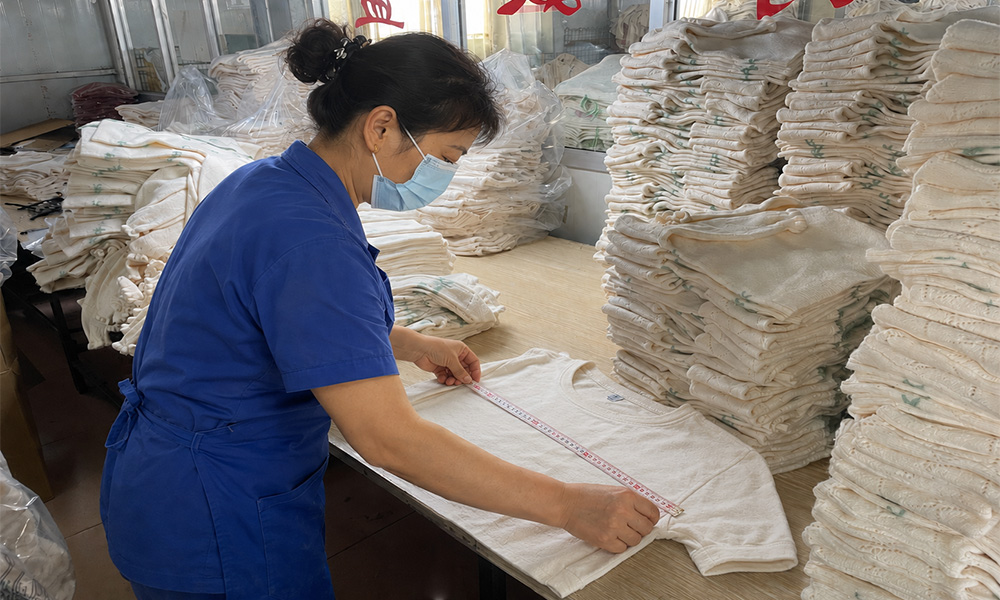
3. Review yarn, gauge and stitch construction together
Yarn and gauge shape a men’s knitted garment from the beginning. They influence hand feel, warmth, weight, texture, cost and production timing. The right decision comes from reviewing the yarn, machine gauge and stitch density together—not selecting each one independently from a photo.
- Fiber and blend direction: cotton-rich, wool blend, acrylic blend, viscose blend or another project-specific requirement
- Desired hand feel: crisp, dry, soft, brushed, compact or fluid
- Target garment weight, coverage and warmth
- Gauge direction: fine, mid-gauge or chunky
- Stitch construction: jersey, rib, cable, waffle, jacquard, intarsia or texture
Fine-gauge constructions may suit lightweight pullovers and knitted polos. Mid-gauge styles work for many commercial sweaters. Chunkier gauges create visible texture and warmth but need careful review of garment weight, shoulder shape and recovery. The first complete sample is the right time to test whether the chosen combination delivers the intended appearance.
4. Convert the concept into a sample plan
Before the first sample, the buyer and manufacturer should agree on what that sample needs to prove. This keeps early development focused and avoids treating a development sample as an automatic bulk-production approval.
- Proposed yarn and color direction
- Machine gauge and stitch construction
- Fit and measurement direction
- Neckline, collar, placket, zipper, button or pocket details
- Estimated garment weight and initial cost drivers
- Sample purpose, review date and approval criteria
If the requested construction is likely to be too heavy, too costly or unsuitable for the intended quantity, the ODM partner should identify that before bulk materials are ordered. See how a sample supports supplier and product decisions in our article on knitwear sample development.
5. Review the first men’s knitwear sample
The first sample is the first real test of the development route. Review it against the brief instead of only checking whether it looks similar to the original inspiration.
- Hand feel, garment weight and overall balance
- Fit, chest width, body length, shoulder and sleeve proportion
- Gauge, texture, color placement and construction clarity
- Neckline or collar shape; placket, zipper or button function where relevant
- Hem and cuff recovery, linking quality and inside appearance
- Trim, label and packing position when applicable
Sample timing depends on the availability of the yarn, the complexity of the style and the completeness of the brief. Confirm the project timeline with the factory after these details are reviewed, rather than treating a generic sampling time as a fixed promise.
6. Lock fit, costing and MOQ before bulk production
Men’s fit must be written into a measurable specification. A regular-fit crew neck, an oversized cable sweater, a slim knitted polo and a layering vest all need different body ease and measurement rules. Confirm the measurement condition as well—such as after finishing or after an agreed care process—so the sample and bulk inspection use the same reference.
Cost and MOQ should be reviewed alongside the approved construction. Yarn availability, custom colors, number of sizes, color count, gauge, pattern complexity, trims and private-label packing can all change the minimum and quotation. For a clear breakdown of the factors, read our sweater manufacturing cost guide.
7. Prepare a sample-to-bulk production pack
An attractive sample is not enough; the factory must be able to repeat the approved standard consistently in bulk. Before production, convert the approved sample comments into a controlled production pack.
- Approved sample and dated revision comments
- Final yarn, color and stitch approvals
- Measurement chart, tolerances and size grading
- Approved trims, labels, artwork and packing instructions
- Pre-production or size-set sample where required
- Inspection checkpoints and delivery plan
Our knitwear manufacturing in China page outlines how product development moves into bulk production. The project pack is what keeps yarn, knitting, finishing and packing aligned with the approved style.
8. Set quality-control and performance expectations
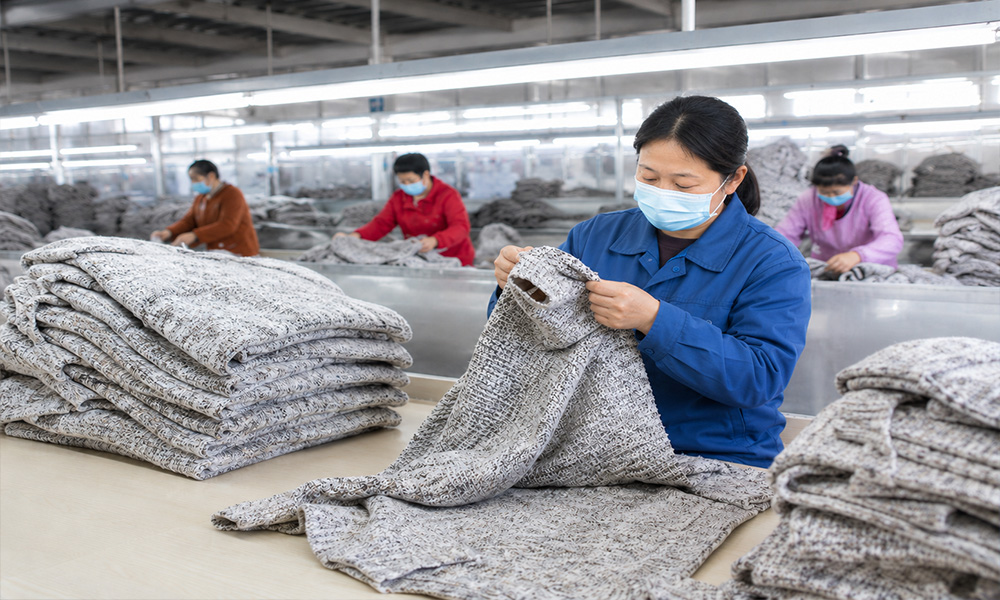
Quality control should be agreed before production begins. For men’s knitwear, the review can cover measurements, color consistency, dropped stitches, loose yarns, linking, collar and placket stability, rib recovery, label position and packing accuracy.
If a buyer requires performance tests—for example, dimensional change, pilling, colorfastness or appearance after washing—the test method, sample condition, acceptance criteria and responsible party should be agreed in advance. A request to test is not the same as a passing result. Visit our knitwear quality-control page for the production checks QITE GARMENTS uses to support quality planning.
9. Confirm private-label packing and delivery details
Before shipment, confirm the presentation and distribution details that belong to the approved program: main label, size label, care label, hangtag, barcode sticker, polybag, carton mark, assortment ratio and inspection timing. Requirements differ by target market and sales channel, so the buyer should provide the final approved artwork and packing instructions before bulk packing starts.
Private-label details are most reliable when they are included in the production pack from the beginning, not added after the bulk garment has been completed.
Men’s knitwear ODM services FAQ
What is the difference between OEM and ODM knitwear production?
OEM production usually follows a buyer’s confirmed tech pack or approved sample. ODM service supports earlier product development, including style direction, yarn and gauge selection, sample planning and feasibility review.
What should a buyer send for men’s knitwear ODM development?
Send product references, target season, fit direction, material or hand-feel preference, size range, estimated quantity, target market, label/packing requirements and desired timeline. The more clearly these inputs are shared, the more useful the first sample review will be.
What affects men’s knitwear ODM cost?
Key factors include yarn composition and availability, gauge, garment weight, stitch complexity, color count, quantity, trims, labeling, packing and testing requirements. The quotation should be confirmed after the construction direction is clear.
Planning a men’s knitwear collection? Contact QITE GARMENTS with your design brief, product references and quantity estimate to start the ODM development discussion.