A color name is not an approval standard. “Warm cream” might describe a design idea, but it cannot tell a yarn supplier which cream to dye, a sample maker which cone to use or a buyer whether two shipments are acceptably close. Even a color code needs the right physical reference and an agreed way to judge the finished knit.
This custom sweater color matching guide follows the color through four decisions: the original reference, a proposed yarn or dye trial, a knitted sample and the production lot. It is written for buyers developing a range, not as a promise that a screen image or a single swatch can guarantee every finished garment.
Choose one master reference and identify its material
A designer may start with a brand file, photograph, previous garment or Pantone number. Record which one is the *master* for approval. A phone screenshot should be treated as visual direction, not an exact color standard: Pantone warns that on-screen simulations may not accurately match its physical standards.
Record the complete code and suffix, plus the edition or physical reference where relevant. Pantone distinguishes TCX cotton textile standards from paper and other material formats and recommends comparing on the material format closest to the end use. A cotton swatch is a useful communication standard, but it does not automatically predict how the same hue will appear in wool, acrylic, mohair or a textured knitted structure. Ask which approved physical sample will resolve that difference for the actual project.
If the buyer’s own reference garment is the master, identify the exact garment, color area and condition. A worn or washed sample can differ from its original shade. Keep the reference protected and label it with a version date so another team does not later compare bulk production with a faded office copy.
Decide whether you are selecting stock yarn or developing a dye match
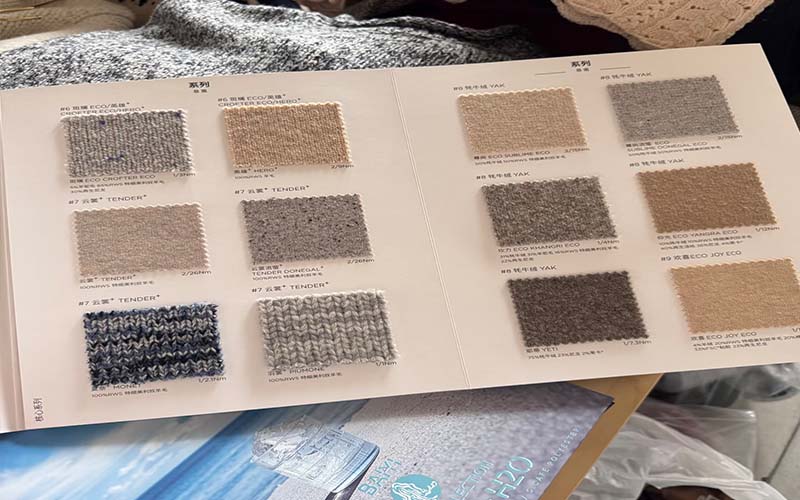
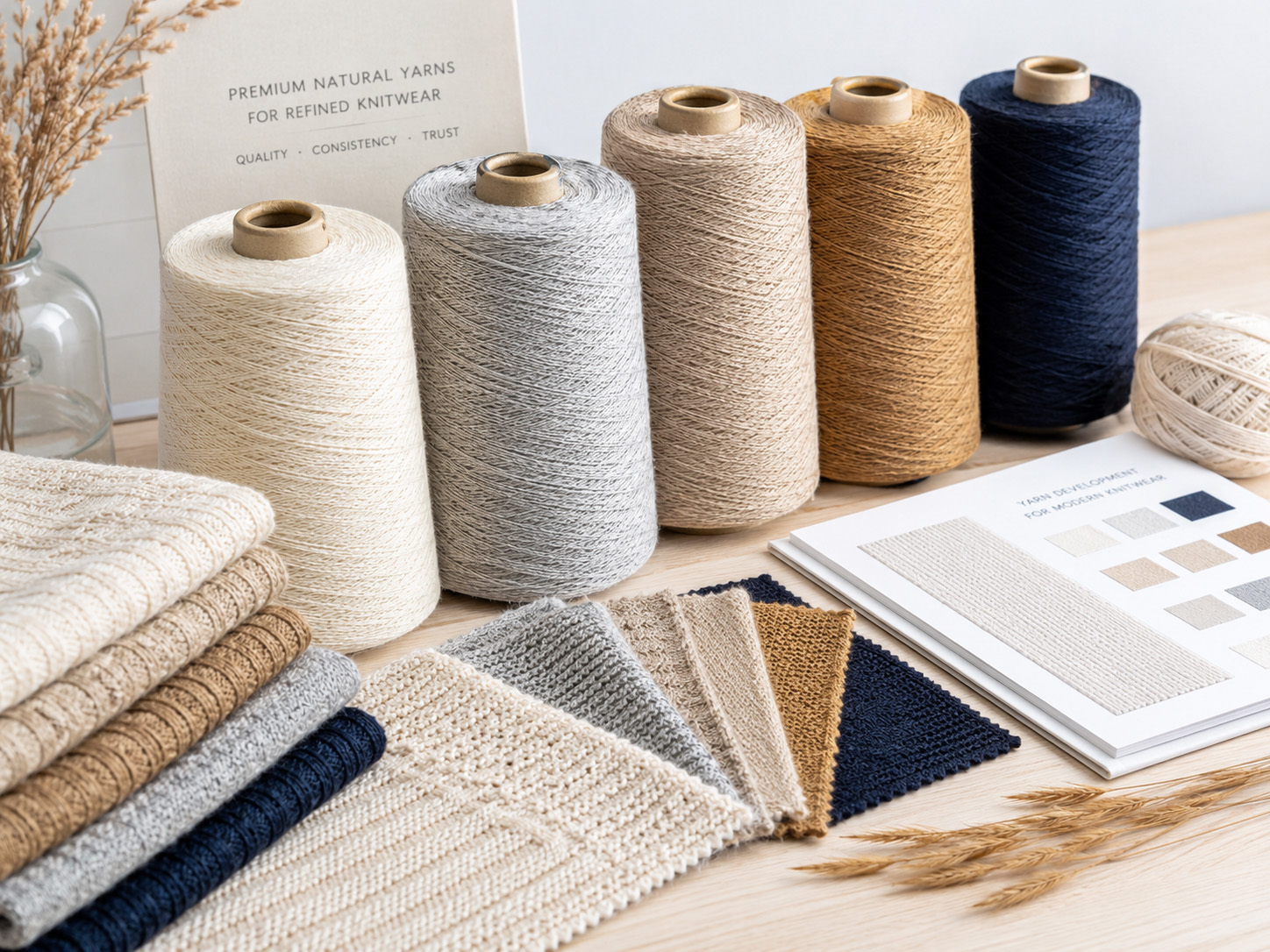
For an available stock yarn, the useful first evidence may be a physical yarn card or cone from the intended supplier, with the shade and lot recorded. For a custom-dyed color, the supplier may propose lab dips before producing the order yarn. X-Rite describes lab dips as part of textile color approval; a lab dip is a color-development step, not proof that the finished sweater will look identical after knitting and finishing.
Ask what each submitted sample represents. Is it a dye trial on a different fiber, the intended yarn, a small knitted panel or a finished garment? Compare like with like when making a decision. If the initial dip is on one substrate and the sweater uses another, record that gap instead of calling the dip a final garment approval.
The custom sweater yarn-and-gauge guide covers the separate choice of material, structure and handle. Here the decision is narrower: which physical color reference controls the next stage, and what must be rechecked as the substrate changes?
View the shade on the proposed knit, not only as loose yarn
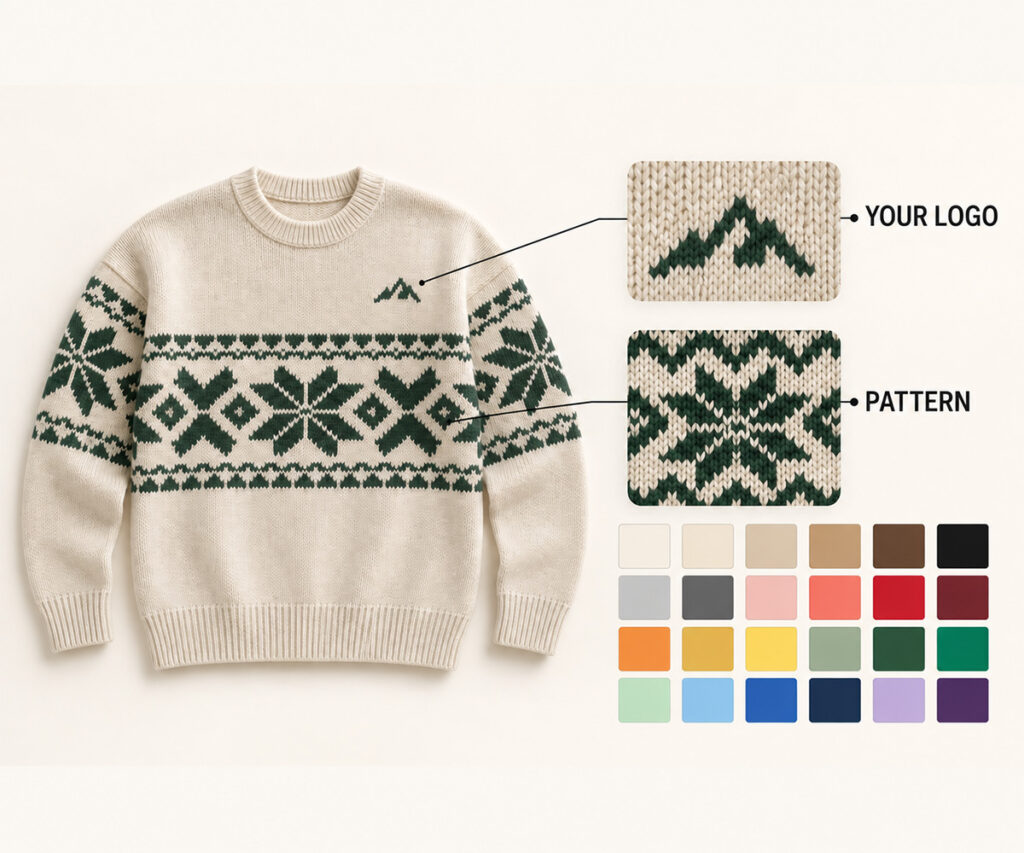
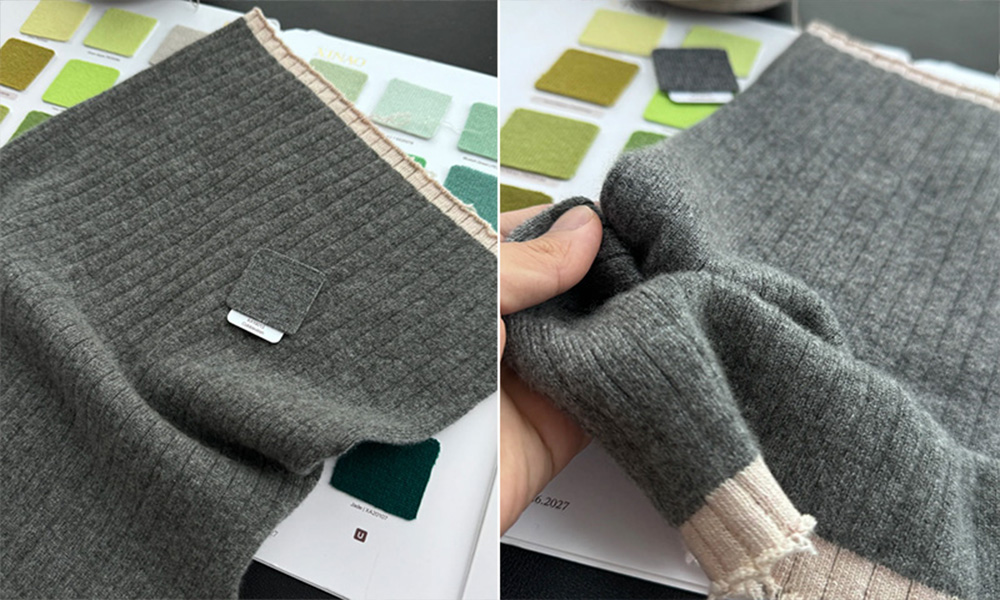
Knit structure changes how light meets the surface. A smooth jersey face, a deep cable and a fuzzy finish can make the same nominal yarn shade appear different. Check the color on a representative knitted panel or garment in the intended yarn and structure. For multicolor artwork, place the proposed colors next to each other at actual motif scale; a red that looks right on its own may overwhelm a small cream letter when the two are knitted together.
Also compare components that are made from other materials: an embroidered logo, woven neck label, button, zip tape or printed hangtag may not be physically identical to the dyed knit. Define whether the goal is an exact measurable match, a visual harmony under agreed lighting, or a deliberate contrast. Do not ask the team to “match everything to the screenshot.” The custom sweaters with logo guide explains how the decoration method itself affects the visible design.
Approve under agreed lighting and record the result
Two samples can look close in one light and different in another. X-Rite’s technical explanation of metamerism shows why the light source matters. Agree on the primary viewing condition and, when the product will be seen in another important setting, a secondary condition. This is more reproducible than approving a color from photographs taken under mixed office light.
Write the approval as a record: master reference ID, sample ID, yarn or dye reference, knit structure, viewing conditions, decision date, approver and whether any shade variation is accepted. If the brand uses instrumental measurements, agree on the device, method and tolerance for this project; there is no responsible universal Delta E number to copy into every sweater brief. A visual approval and a measurement answer different questions and should not be silently substituted for one another.
| Stage | What the buyer can approve | What remains open |
|---|---|---|
| Design reference | Target direction and master color standard | Actual yarn and finished-knit appearance |
| Yarn card or lab dip | Candidate shade on the stated material | Knit structure, finishing and production-lot result |
| Knitted panel or garment | Appearance in the intended construction | Bulk-lot and repeat-order consistency |
| Bulk reference | Accepted production shade against the agreed master | Whether a later yarn lot needs a new comparison |
This is an illustrative control sequence, not evidence that every QITE order uses every stage. A stock-yarn project may bypass dye development; a complex seasonal motif may require additional color-placement trials.
Control the production lot and the repeat order
When production starts, do not lose the approved physical reference. Compare representative bulk material or garments against it under the agreed conditions and record the yarn lot used. If supply changes to another lot, supplier or fiber blend, ask whether the earlier approval still applies. The answer should be based on the resulting knit, not only the unchanged color name on the purchase order.
For a repeat order, send the retained master together with the previous production reference, versioned artwork and current material specification. State which difference, if any, the buyer will accept. This is especially important when adjacent panels or accessories need to read as one design. It also helps the knitwear quality-control team know what to compare rather than guessing from last season’s catalogue photography.
Consider an illustrative example: a navy cardigan body looks acceptable against the buyer’s swatch, but the rib trim and embroidered logo look noticeably different under store lighting. One response is not automatically to reject the body color. First identify which component uses a different material or dye route, confirm the intended relationship between the three shades and approve a physical combination under agreed light. If the logo thread changes, update its artwork and sample record without silently redefining the body’s approved navy.
Give QITE a color brief that can be repeated
QITE Garments builds its custom programme on sweater and knitwear production. For a custom sweater project, send the master color reference or physical sample, exact code and suffix if used, proposed yarn or fiber direction, artwork, color placement and destination market. Identify any components that must harmonise with the knit and the viewing conditions required by your brand or retailer. The custom sweater tech-pack checklist can hold the current color and approval versions.
When you contact QITE about color development, ask what can be assessed from an existing yarn card, what needs a dyed or knitted trial, and which production reference will be retained. That answer creates a usable approval path rather than another email saying “please make it slightly warmer.”