QITE GARMENTS

OEM & Private Label Knitwear Manufacturing for Global Brands Since 2001

OEM Women’s Knitted Sweater Manufacturing Guide: Tech Pack, Sampling & MOQ

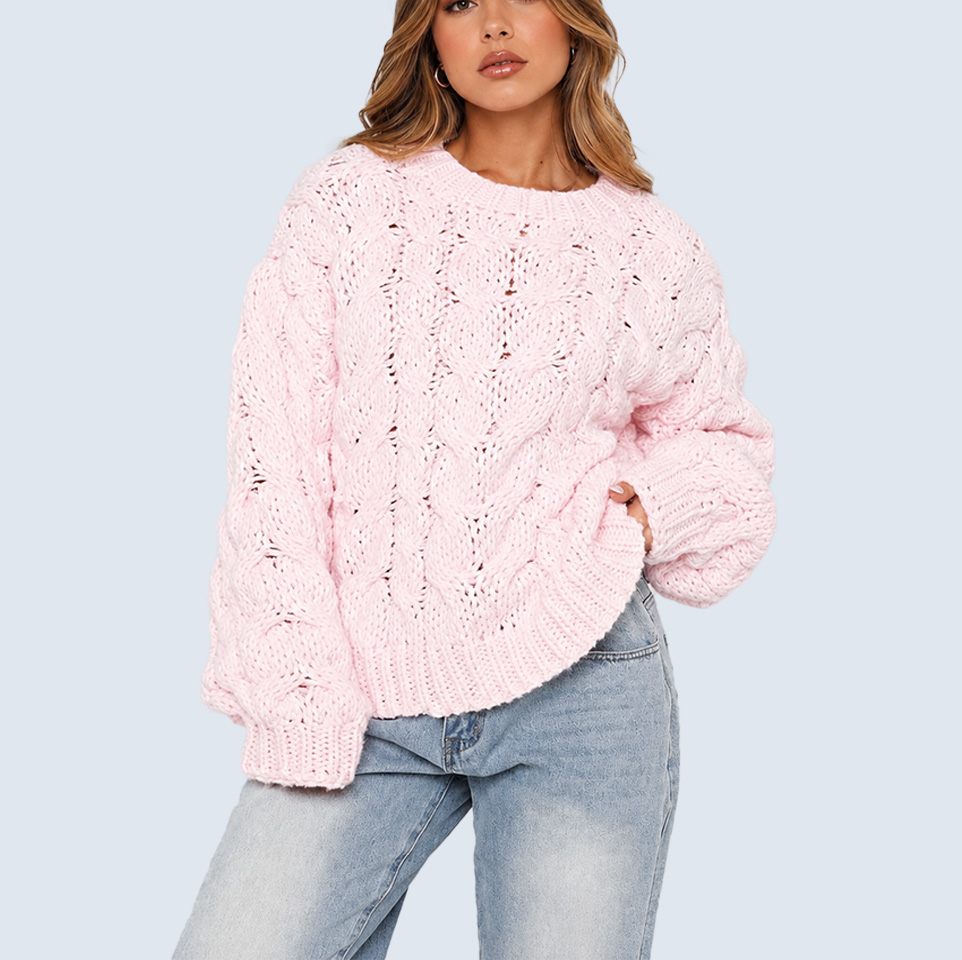
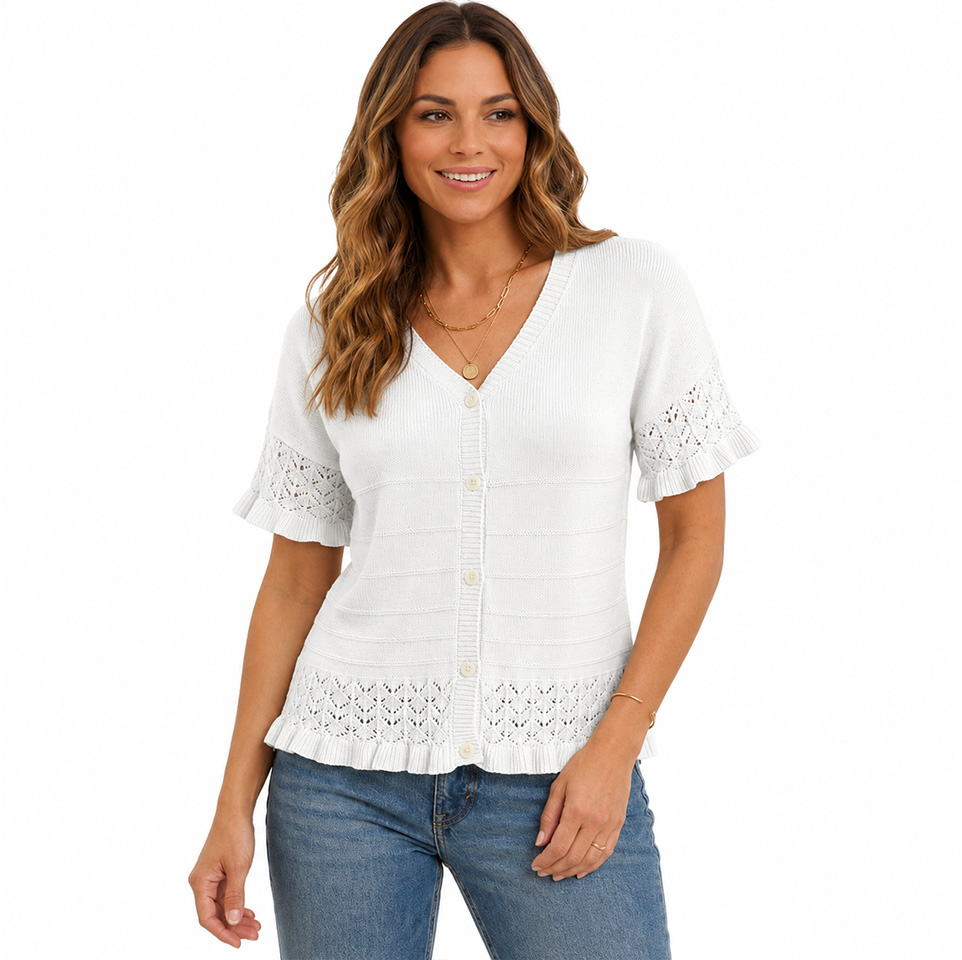
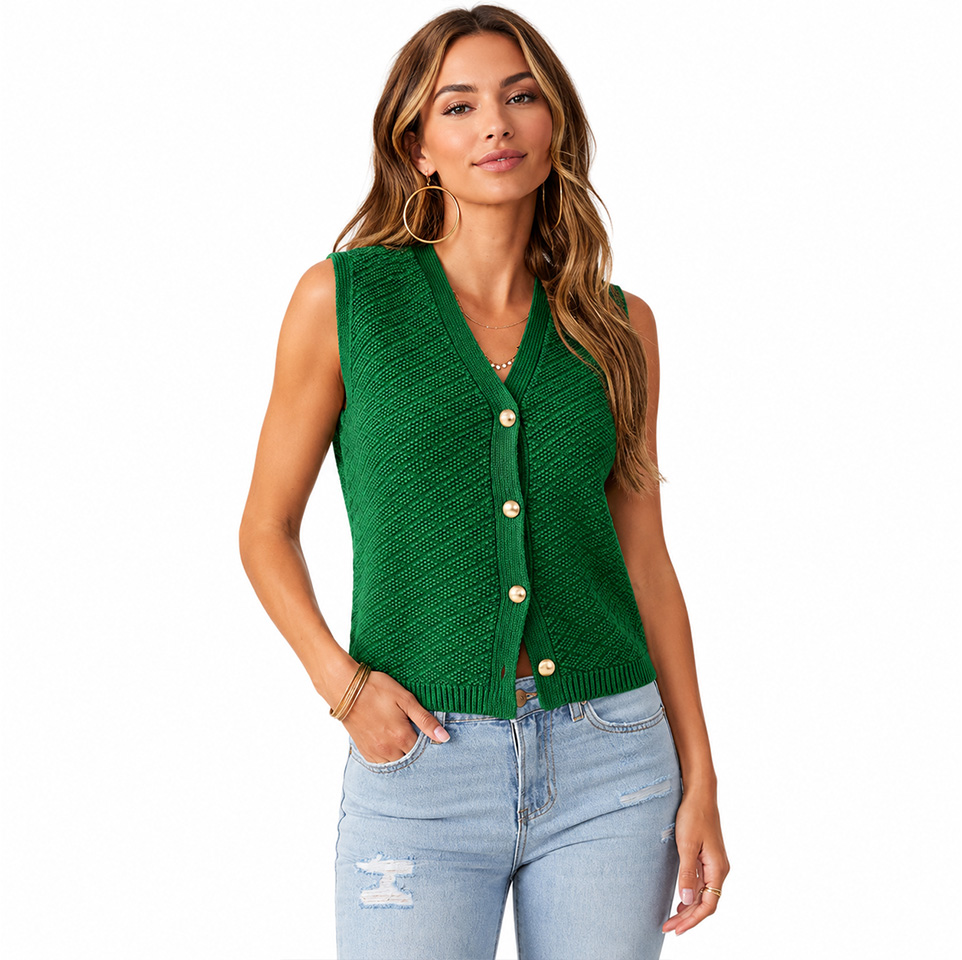
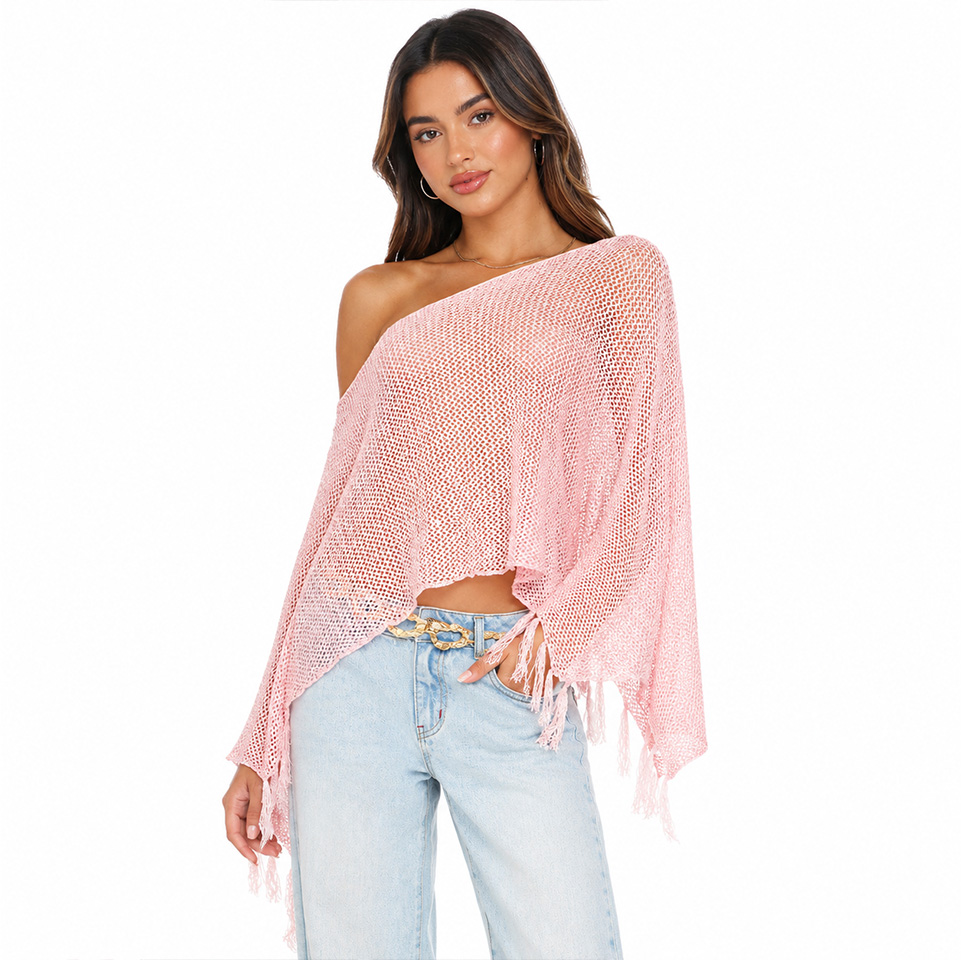
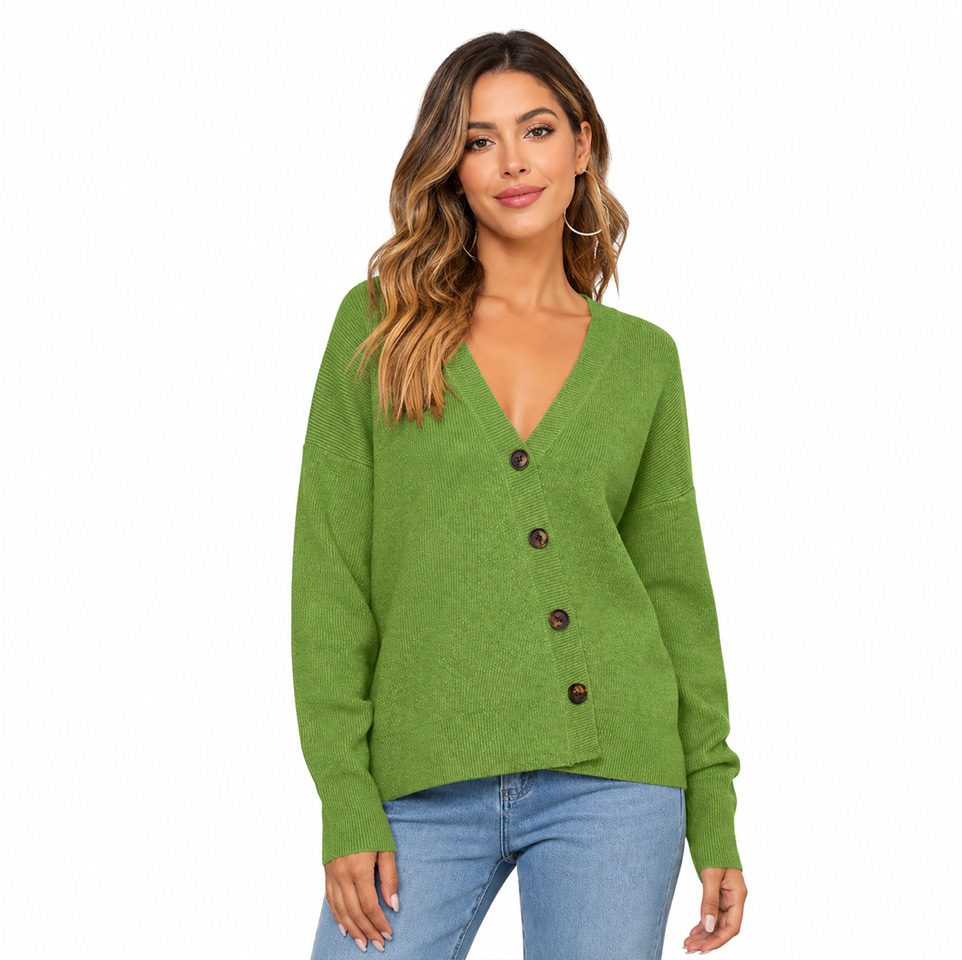
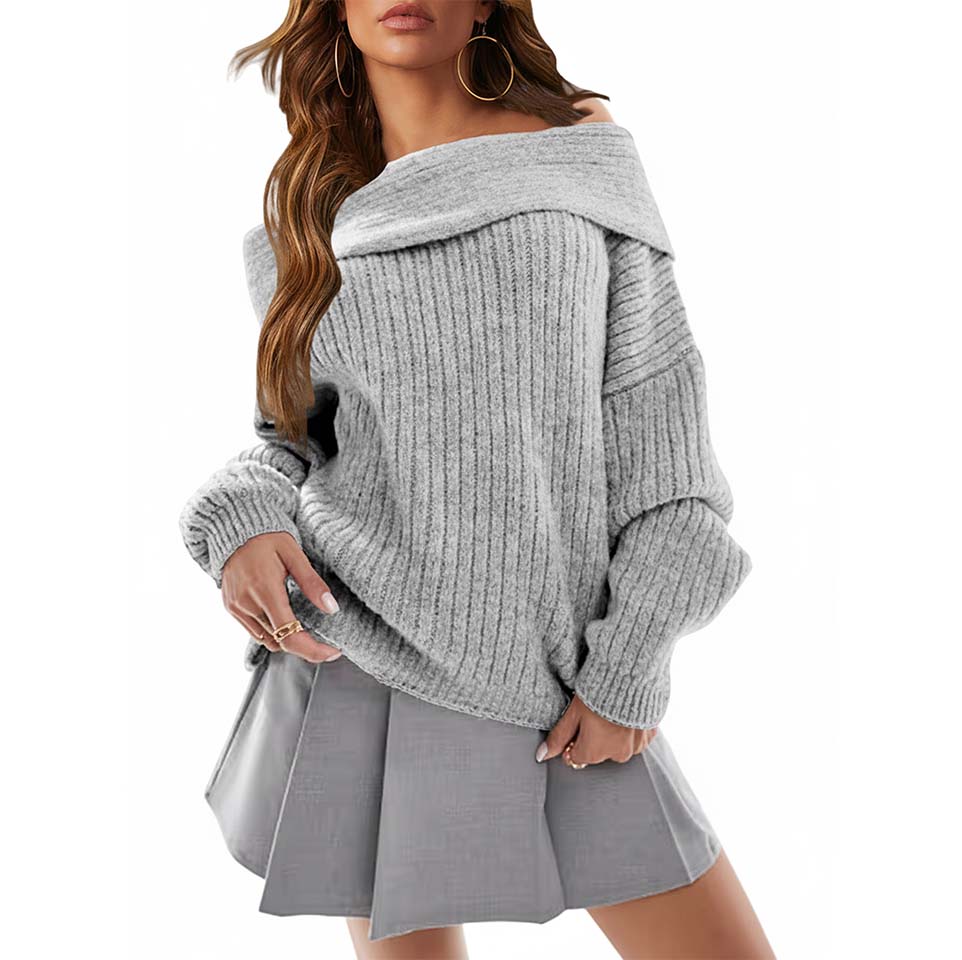
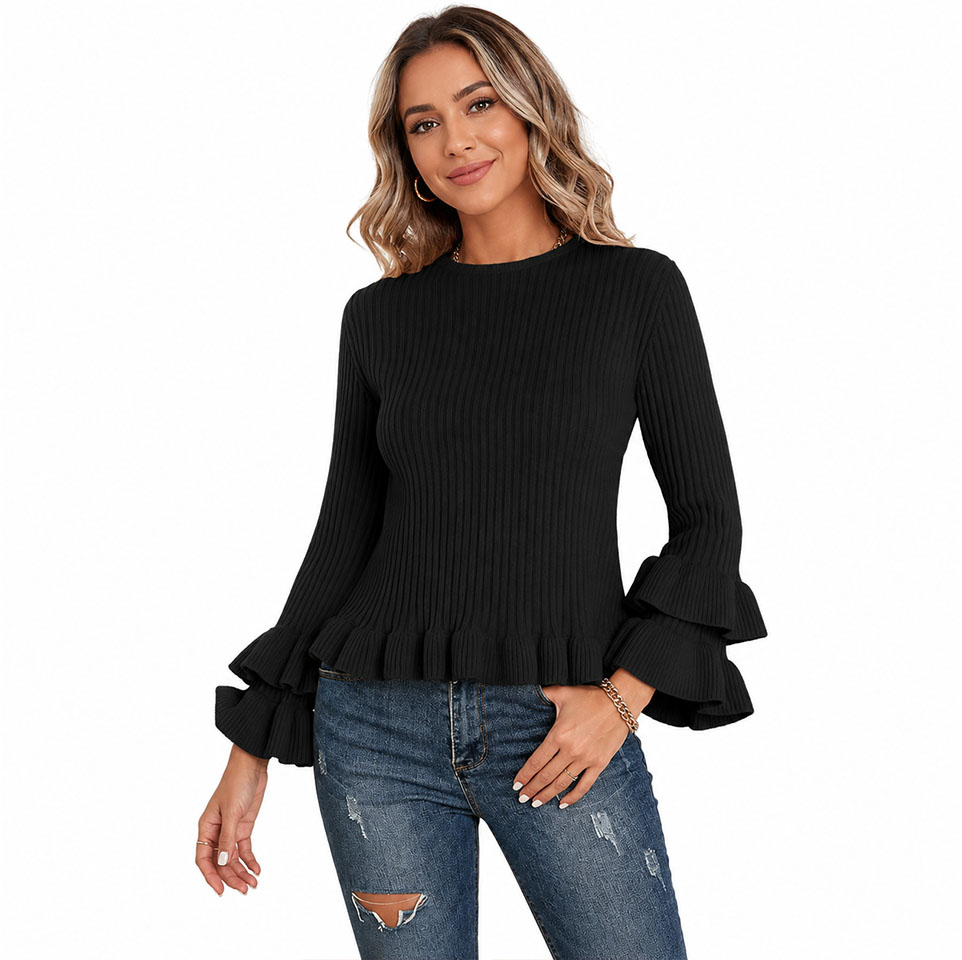
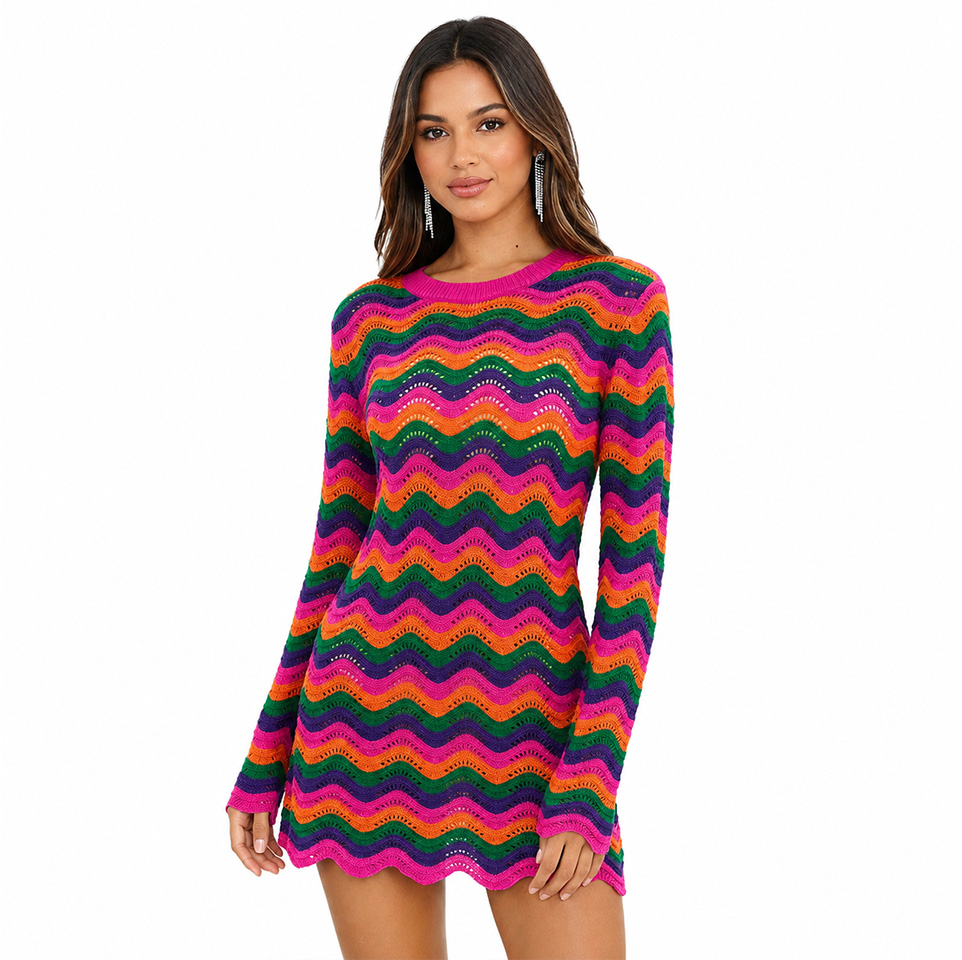
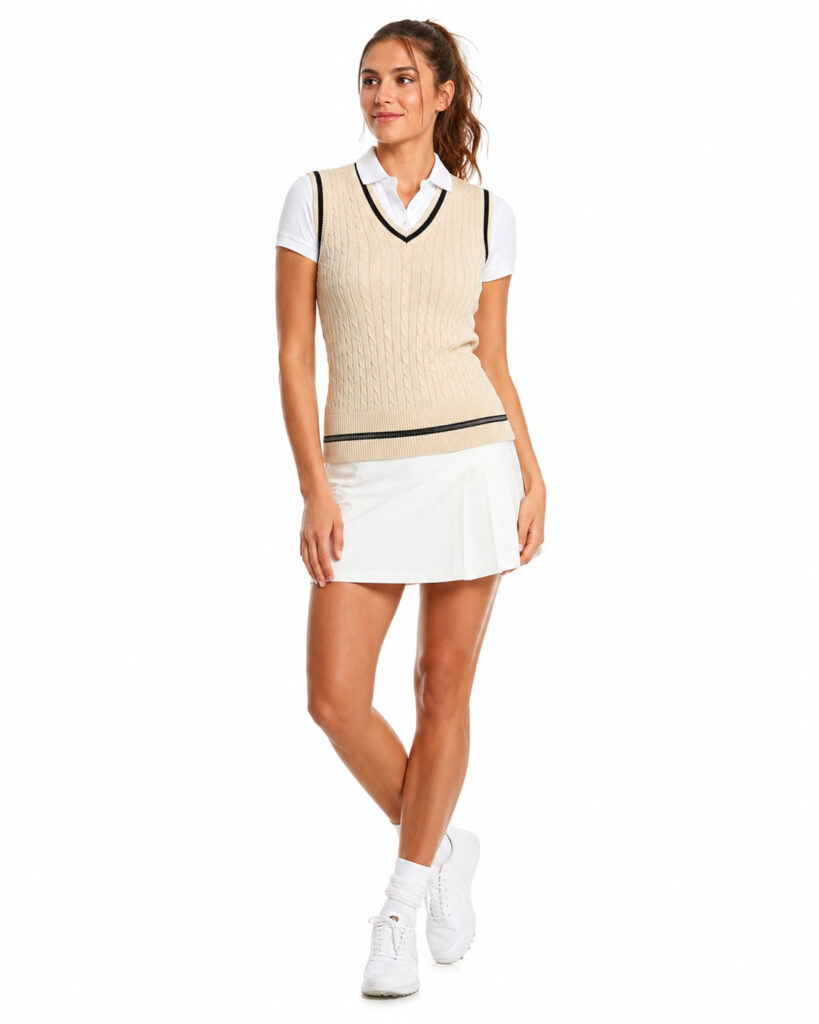
Custom women’s knit sweater samples for OEM production in China

OEM Women’s Knitted Sweater Manufacturing Guide: From Tech Pack to Bulk Production

Developing an OEM women’s knitted sweater involves more than sending a reference image to a factory. A commercially successful style depends on clear technical information, the right yarn and gauge, realistic costing, structured sample approval, and disciplined control from the first prototype through bulk shipment.

As a knitwear manufacturer in China, QITE GARMENTS helps fashion brands, wholesalers, importers and private-label buyers turn confirmed product requirements into production-ready women’s knitwear.

For fashion brands, wholesalers, importers, and private-label buyers, the most common production problems usually begin before knitting starts. An incomplete tech pack, unconfirmed yarn direction, unclear measurements, late packaging changes, or unrealistic delivery expectations can create avoidable sample revisions and bulk-production delays.

This guide explains the full OEM women’s sweater manufacturing process, including the tech pack checklist, sample approval stages, MOQ and cost factors, and a practical timeline from development to shipment.

Step 1: Define the Product Brief Before Requesting a Quote

A factory can quote more accurately when it understands the commercial goal as well as the visual design.

Before contacting an OEM women’s sweater manufacturer, prepare a short product brief covering:

  • Product category: pullover, cardigan, knitted vest, dress, knit top, or matching set
  • Target customer and price positioning
  • Season and destination market
  • Reference images, sketches, original samples, or mood boards
  • Target retail price or target FOB price, if available
  • Expected order quantity by style and color
  • Requested delivery window
  • Required private-label details
  • Any material, certification, testing, or retailer-compliance requirements

A design image is useful, but it cannot communicate every production detail. For example, a chunky cable cardigan and a fine-gauge fitted pullover may look equally simple in a photograph while requiring very different yarn quantities, machine time, finishing methods, and cost structures.

Step 2: Prepare a Complete Women’s Knitwear Tech Pack

A tech pack gives the factory one technical reference for development, costing, sampling, and bulk production. It does not need to be complicated, but it should be clear enough that different teams can reach the same result.

Women’s Sweater Tech Pack Checklist

Section Information to Include
Style overview Style name, season, product category, customer profile, target price
Technical sketch Front, back, and close-up drawings of neckline, cuffs, hem, pockets, buttons, and special details
Measurements Size chart, points of measure, base size, grading, and tolerance
Yarn direction Fiber composition, hand feel, yarn count, color direction, and sustainability requirements
Gauge and structure Requested gauge, stitch type, rib, cable, jacquard, pointelle, intarsia, or other knit details
Color plan Pantone reference, color swatches, number of colors, and colorway allocation
Artwork Jacquard artwork, embroidery files, placement, repeat size, and approved wording
Trims Buttons, zippers, shoulder pads, badges, labels, metal accessories, and attachment details
Branding Neck label, care label, size label, hangtag, barcode, and logo placement
Packaging Polybag, tissue paper, folding method, size stickers, carton ratio, carton mark, and retail packaging
Compliance Testing requirements, fiber-content rules, care instructions, origin marking, and destination-market requests

If a brand does not yet have a full tech pack, an OEM project can still begin with a reference sample, image, sketch, target price, and expected quantity. However, technical details should be confirmed before the sample is approved for bulk production.

Step 3: Confirm Yarn, Gauge and Knit Construction

In women’s knitwear, yarn and gauge determine much of the finished garment’s appearance, cost, weight, warmth, stretch, and durability.

The factory should review the requested design against:

  • Yarn composition
  • Yarn thickness and count
  • Knitting gauge
  • Stitch density
  • Garment weight
  • Surface texture
  • Required shape and fit
  • Pattern complexity
  • Production-machine suitability

For example, a 3GG or 5GG sweater is generally suited to heavier yarns and more visible textures, while 12GG or 16GG knitwear is often used for lighter, smoother, and more refined women’s tops. Gauge alone does not determine the final result. The yarn, stitch structure, garment dimensions, and finishing process must work together.

Before sample approval, ask the manufacturer to confirm whether the proposed yarn and construction can achieve:

  • The intended hand feel
  • The desired garment weight
  • Stable measurements after washing
  • Good shape retention
  • Appropriate pilling performance
  • Consistent bulk color availability
  • The target cost range

QITE GARMENTS supports 1GG to 16GG knitwear development, including heavy-gauge cardigans, standard commercial pullovers, lightweight knit tops, ribs, cables, jacquards, and custom structures. Learn more about knitwear manufacturing process.

Step 4: Review MOQ Before Finalizing the Range

MOQ should be discussed during quotation, not after a sample is approved. The final MOQ for a women’s sweater depends on the actual production conditions.

Key MOQ factors include:

  • Yarn composition and yarn mill minimums
  • Gauge and machine allocation
  • Number of colors in the order
  • Color-size assortment
  • Jacquard, intarsia, cable, or pointelle complexity
  • Custom-dyed versus stock yarn
  • Buttons, zippers, embroidery, or special trims
  • Private-label packaging requirements
  • Number of styles in the collection
  • Repeat-order potential

At QITE GARMENTS, standard MOQ starts from 500 pieces per style. The final MOQ depends on yarn composition, gauge, color count, size range, trims, and packaging requirements.

For a new collection, buyers can reduce risk by concentrating volume on a smaller number of core styles. A commercial crewneck, cardigan, or fine-gauge knit top may justify a higher quantity, while a fashion-led statement style can be developed in a more controlled allocation.

Step 5: Understand What Drives Women’s Sweater Cost

A sweater price is not based only on the factory’s labor rate. It is the result of material use, knitting time, workmanship, finishing, packing, and order structure.

Main Cost Factors

Cost Factor Why It Changes Price
Yarn composition Wool, cashmere, cotton, recycled fibers, blends, and specialty yarns have different material costs
Garment weight A heavier sweater consumes more yarn
Gauge Gauge affects machine time, yarn use, stitch density, and production planning
Knit structure Cable, jacquard, intarsia, pointelle, ribs, and shaping can add complexity
Number of colors Multiple yarn colors may increase material planning and knitting complexity
Trims Buttons, zippers, embroidery, appliqués, badges, and custom accessories add cost
Finishing Washing, brushing, pressing, shaping, and special treatments affect labor and lead time
Quantity Larger quantities may improve material purchasing and production efficiency
Labels and packaging Neck labels, hangtags, barcodes, polybags, cartons, and retailer packing affect final cost

A good quotation review connects design ambition with actual production feasibility. If the initial price is too high, brands can explore changes such as reducing garment weight, simplifying artwork, selecting a different yarn blend, limiting colorways, or adjusting trims without losing the design’s essential character.

For an accurate quote, send the factory the design file or reference sample, yarn direction, color plan, size range, target quantity, packaging requirements, target price, and delivery date.

Step 6: Manage Sampling Through Clear Approval Gates

Sampling is where a concept becomes a production-ready product. A sample should not be approved simply because it looks close to the original reference image.

A structured approval process normally includes the following checkpoints.

1. Development Sample

The first sample tests design feasibility, yarn direction, gauge, stitch structure, silhouette, and overall appearance.

Review:

  • Hand feel and garment weight
  • Shape and proportion
  • Gauge and stitch definition
  • Neckline, sleeve, cuff, and hem construction
  • Artwork placement and color balance
  • Initial workmanship quality

2. Fit and Measurement Revision

The next stage confirms measurements, grading logic, ease, body length, sleeve length, shoulder position, and neckline opening.

For women’s knitwear, fit comments should be specific. Instead of writing “make it better,” state the actual change required, such as:

  • Reduce body length by 2 cm
  • Increase chest width by 3 cm
  • Narrow sleeve opening by 1 cm
  • Raise V-neck point by 1.5 cm
  • Use firmer rib at the hem
  • Increase stitch density to reduce transparency

3. Color, Trim and Workmanship Approval

Before bulk production, confirm the final yarn color, button or zipper selection, embroidery details, labels, hangtags, folding method, and packaging instructions.

4. Pre-Production Confirmation

The approved sample, final comments, size chart, artwork, yarn, trims, labels, and packing details should be consolidated into the production file. No bulk substitution should be made without buyer approval.

QITE’s normal sample-development time is around 7-10 days after the design reference, yarn, gauge, color, and measurement details are confirmed. Complex styles, specialty yarns, or several revision rounds may require additional time.

Step 7: Plan the Timeline From Sample to Bulk Shipment

A realistic timeline protects both the delivery date and the product quality. The schedule should account for buyer feedback, yarn availability, capacity planning, testing, finishing, inspection, and shipping preparation.

Typical OEM Women’s Sweater Timeline

Stage Main Actions Typical Timing
Product review and quotation Review tech pack, reference, yarn direction, quantity, and target price 1-3 working days after receiving clear information
Yarn and construction planning Confirm yarn, gauge, stitch structure, color plan, and feasibility Before sample development
Sample development Knit first sample based on confirmed inputs Around 7-10 days
Buyer review and revision Fit comments, measurement changes, color and workmanship feedback Depends on buyer feedback speed
Sample approval Approve final sample, labels, trims, packing, and production specifications Required before bulk release
Bulk yarn booking and production preparation Confirm materials, machine allocation, order details, and production plan Varies by yarn availability and order complexity
Bulk production Knitting, linking, washing, finishing, inspection, and packing Small to medium orders may take around 20-30 days after sample approval
Final inspection and shipment preparation Check measurements, workmanship, labels, packing, carton marks, and shipment details Before delivery release

The timeline is a planning reference, not a fixed promise for every order. Larger programs, custom-dyed yarn, high-complexity jacquards, testing requirements, multiple colorways, or peak-season capacity constraints require a confirmed production plan.

Step 8: Control Quality From Approved Sample to Final Packing

For women’s knitwear, quality control should begin with the approved sample and continue through bulk production.

Key checks include:

  • Yarn lot, color, composition, and hand feel
  • Gauge, stitch density, and panel dimensions
  • Holes, missed stitches, loose yarns, and surface defects
  • Linking, seams, neckline, sleeves, and shaping
  • Garment measurement and tolerance
  • Washing, pressing, drying, and finishing condition
  • Pilling, shrinkage, or wash-performance requirements
  • Labels, care instructions, hangtags, barcodes, and packaging
  • Folding method, polybags, carton ratio, and shipping marks

The final inspection should compare finished garments against the approved sample and confirmed specifications. A late change to labels, packing, or artwork can still delay shipment, even when the sweaters themselves are complete.

QITE manages quality through material inspection, approved-sample control, in-line checks, measurement review, workmanship inspection, packing verification, and shipment preparation. Read more about the knitwear sweater quality-control process.

Step 9: What Buyers Should Send to an OEM Sweater Manufacturer

A complete inquiry allows the supplier to assess feasibility, cost, MOQ, sample timing, and delivery capacity more efficiently.

Send as much of the following as possible:

  • Tech pack, sketch, reference image, or original sample
  • Product category and target season
  • Target customer and intended retail price
  • Yarn composition, hand feel, and weight direction
  • Gauge, stitch structure, and artwork requirements
  • Colorways, size range, and quantity by color and size
  • Target FOB price, if available
  • Brand labels, hangtags, barcode, and packaging requirements
  • Destination market and required tests
  • Requested delivery window

For early-stage ODM projects, a clear reference image, target price, quantity, and target market are enough for an initial feasibility discussion.

FAQ

What is the MOQ for OEM women’s sweater production?

QITE GARMENTS’ standard MOQ starts from 500 pieces per style. Final MOQ depends on yarn, gauge, color count, size range, trims, and packaging requirements.

How long does women’s sweater sampling take?

Sample development usually takes around 7-10 days once the design reference, yarn, gauge, color, and measurement details are confirmed. Revision rounds and specialty materials can add time.

How long does bulk sweater production take?

Small to medium orders may take around 20-30 days after sample approval. The final timeline depends on yarn availability, order quantity, design complexity, finishing, testing requirements, and factory schedule.

Can an OEM sweater factory work from a picture only?

A factory can start an initial review from a picture, sketch, or reference sample. However, a full tech pack or confirmed production file is needed before bulk production to control measurements, yarn, workmanship, labels, and packing.

What is the biggest cost factor in a knitted sweater?

Yarn composition and garment weight are often major cost drivers. Gauge, stitch complexity, color count, trims, finishing, quantity, and packaging also influence the final price.

Conclusion

For product categories and custom development options, visit our women’s knit sweater manufacturer page.

A successful OEM women’s sweater program is built on clear information and controlled decision points. Start with a complete product brief, confirm yarn and gauge before sampling, use the tech pack as the production reference, approve every important sample detail, and allow enough time for materials, production, quality control, and packing.

QITE GARMENTS supports women’s knitwear OEM and ODM development from product review and yarn planning to sampling, bulk production, private-label packing, inspection, and export coordination. To begin a project, send your women’s sweater tech pack, reference image, target quantity, and delivery plan to QITE GARMENTS.