
Choosing a custom apparel manufacturer is not only about finding the lowest quoted price. The right supplier should understand your product category, develop a workable sample, explain its MOQ, maintain quality during bulk production and support the packing details your brand requires.
For brands, wholesalers and private-label buyers, the practical question is not simply, “Can this factory make clothing?” It is: “Can this supplier make our product to an agreed standard, at the required quantity and delivery date?”
This guide gives buyers a clear checklist for comparing custom clothing manufacturers, an OEM clothing manufacturer, and a potential long-term garment manufacturer.
1. Start With Product Specialization
A supplier may describe itself as a general clothing factory, but production experience can vary widely by product category.
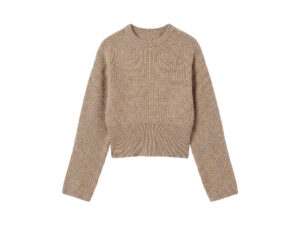
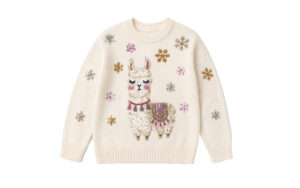
A knitwear supplier needs yarn, gauge, stitch structure, linking and finishing knowledge. A cut-and-sew factory may be stronger in jersey T-shirts, denim, outerwear or woven shirts. Before requesting a quote, ask whether the supplier has experience with your specific product.
| Buyer Question | Why It Matters |
|---|---|
| Have you produced similar styles before? | Confirms practical category experience |
| Which materials do you regularly work with? | Helps assess fabric, yarn or trim capability |
| Which techniques can you support? | Confirms printing, embroidery, jacquard, washing or other processes |
| Is the process managed in-house or through a partner? | Clarifies production responsibility |
| Can you provide similar samples or references? | Helps verify workmanship and finish expectations |
A custom apparel manufacturer should be evaluated by relevant production experience, not by a broad product list alone.
2. Check Whether the Factory Can Work From Your Tech Pack
A clear tech pack helps both buyer and factory avoid assumptions. It should turn a design idea into production instructions.
At minimum, send:
- Front and back artwork or technical drawings
- Fabric or yarn direction
- Size chart and points of measurement
- Color references
- Logo, print, embroidery or label artwork
- Trim details
- Packaging instructions
- Target quantity, size range and delivery date
If the project is still at an early stage, an experienced OEM clothing manufacturer may also work from a reference sample, product photo, sketch or target price. However, the supplier should identify the information that still needs confirmation before bulk production.
For private-label programs, the approved sample and final tech pack should become the reference standard for measurement, materials, workmanship, labels and packing.
3. Evaluate MOQ Beyond the Headline Number
MOQ should be confirmed at the style level. A low published MOQ does not always mean the same terms apply to every fabric, color or design.
| MOQ Factor | What Buyers Should Confirm |
|---|---|
| Quantity per style | Minimum units needed for one design |
| Quantity per color | Whether each color has its own minimum |
| Size range | Whether a wide size run affects the order plan |
| Material minimums | Fabric, yarn, dyeing or trim supplier requirements |
| Construction | Whether complex details require higher quantity |
| Labels and packaging | Minimums for custom tags, bags or boxes |
| Seasonal capacity | Whether the production window is available |
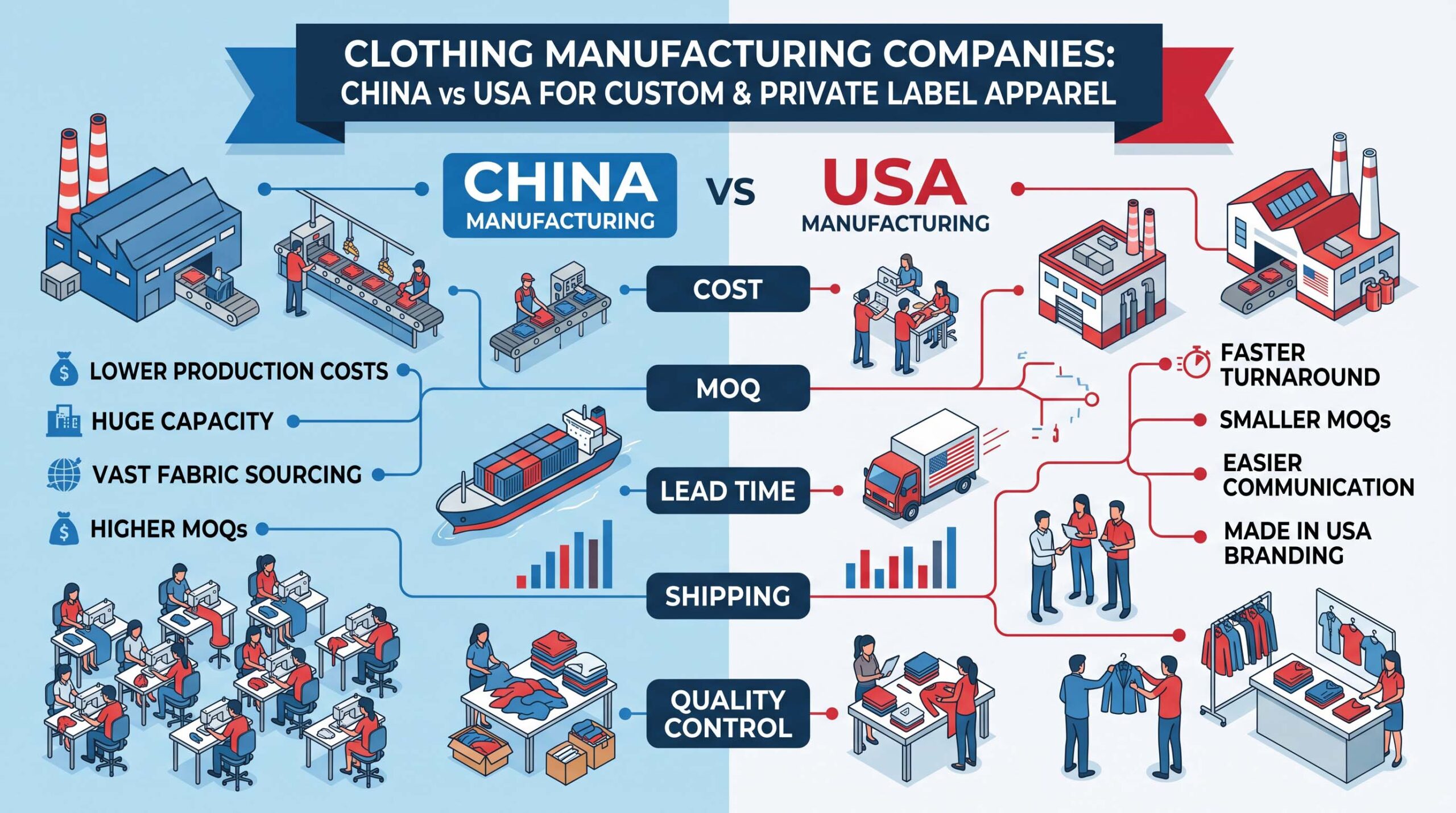
Some custom clothing manufacturers offer lower MOQs for startup brands, but the trade-off may be higher unit cost, fewer material options or limited color flexibility.
A larger garment manufacturer may offer stronger cost efficiency for repeat or high-volume programs. Even then, buyers should confirm production scheduling, available capacity and quality-control procedures before placing an order.
4. Treat Sampling as a Supplier Test
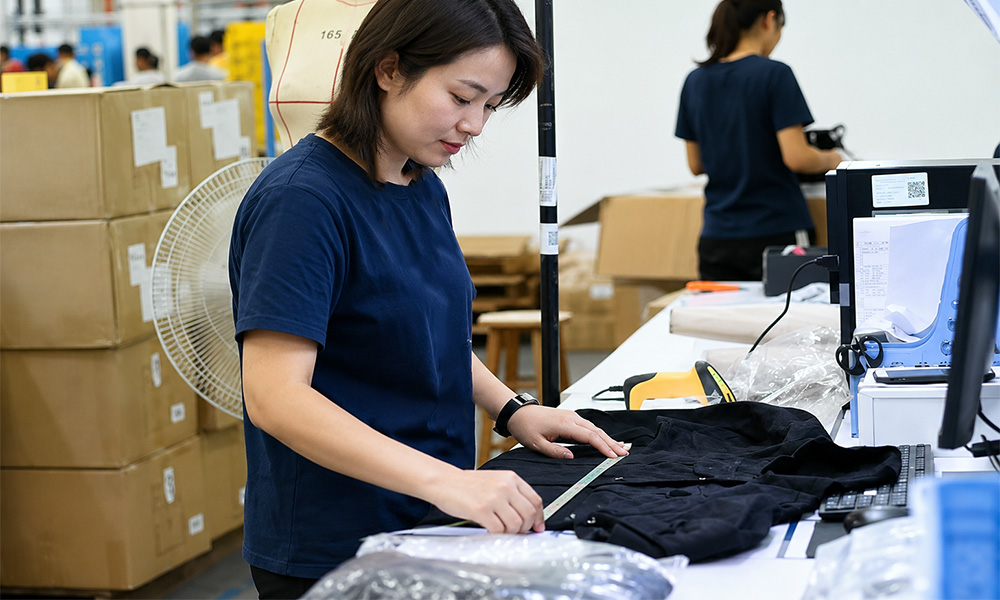
Sampling is more than a pre-production step. It is one of the best ways to assess whether a custom apparel manufacturer can understand instructions, communicate clearly and correct issues.
Ask these questions before paying for a sample:
- What is the estimated sample timeline?
- What information is required before development begins?
- What does the sample fee include?
- How many revision rounds are possible?
- Who is responsible for patterns or technical adjustments?
- Can the factory record comments and measurement changes clearly?
- Does the approved sample become the bulk-production standard?
A reliable supplier should distinguish between a development sample, fit sample, revised sample, size set and pre-production sample. These stages do not need to be complicated, but the approval status of each sample should be clear.
5. Compare Quality Control Before Bulk Production
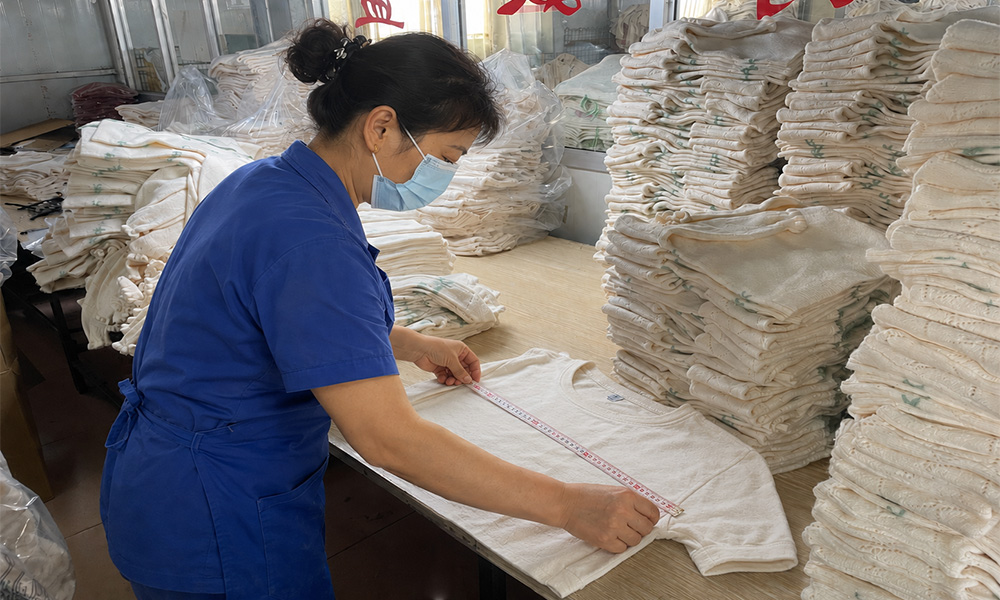
Quality control should be discussed before an order is confirmed. Waiting until final inspection to define standards creates unnecessary risk.
A useful quality-control process usually covers:
| Production Stage | Key Checkpoints |
|---|---|
| Material approval | Fabric or yarn, color, hand feel, trims and supplier consistency |
| Pre-production review | Approved sample, measurements, artwork, labels and packing details |
| In-line inspection | Construction, workmanship, dimensions and visible defects |
| Finishing review | Shape, pressing, washing, loose threads, stains and appearance |
| Final inspection | Measurement, quantity, workmanship and sample-to-bulk consistency |
| Packing verification | Labels, barcodes, folding, polybags, cartons and carton marks |
For knitwear, buyers should also ask about gauge, stitch density, linking seams, shape recovery, surface defects, pilling risk and shrinkage control.
QITE GARMENTS manages knitwear quality through material checks, approved-sample control, in-line inspection, final inspection and packing verification. Where applicable, needle and metal detection is included according to the garment category, trim use and confirmed order requirements.
6. Review Communication and Quotation Transparency
A good quotation should explain its assumptions. A low unit price is less useful if the buyer does not know whether it includes labels, packaging, testing, export documents or special finishing.
Ask the supplier to clarify:
- Unit price and currency
- MOQ by style and color
- Sample cost
- Material assumptions
- Label and packaging inclusions
- Testing or inspection costs
- Production lead time
- Trade terms
- Shipping and export support
- Costs excluded from the quotation
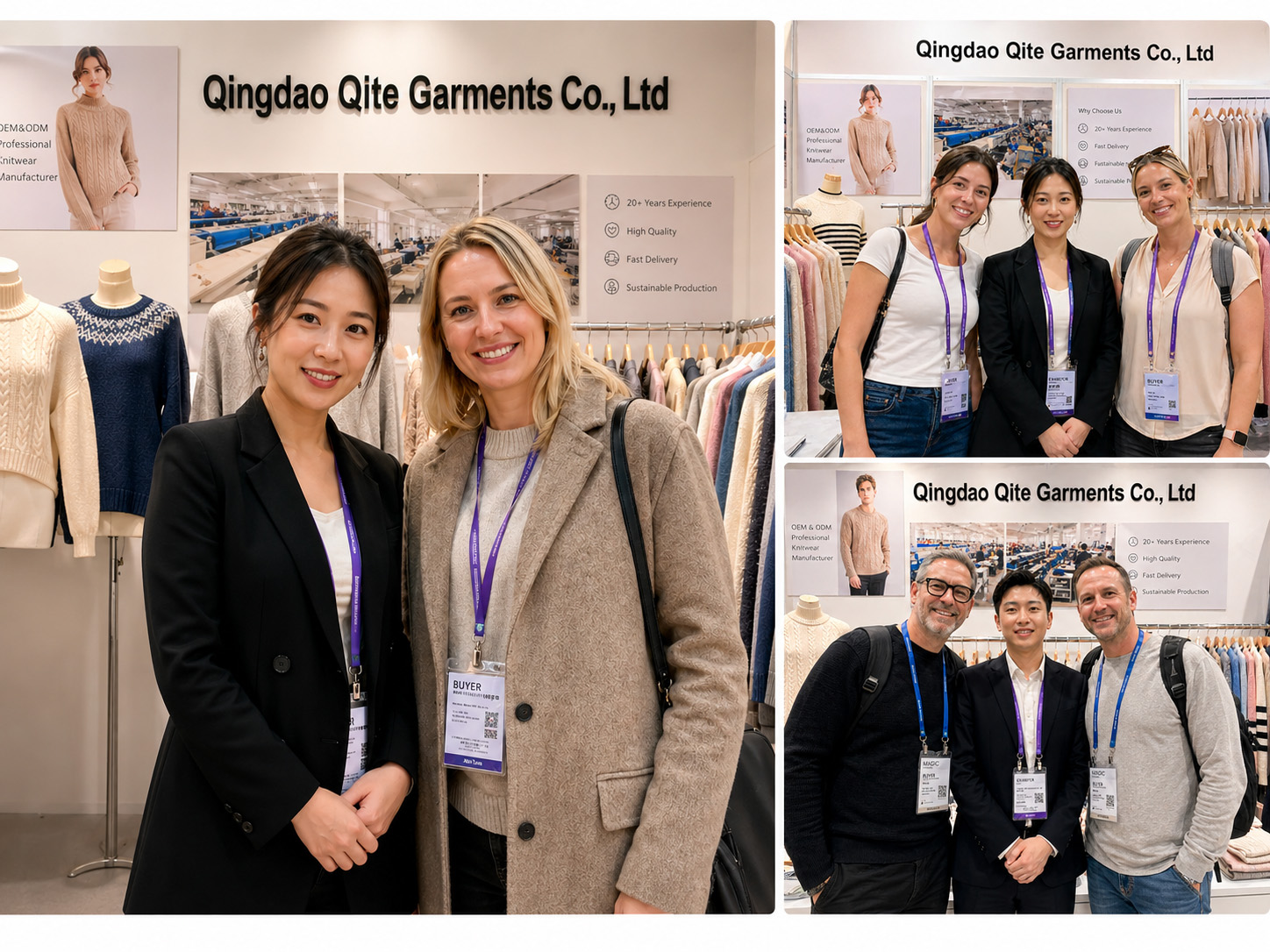
Transparent communication is one of the strongest signs of a dependable private label apparel manufacturer. The supplier does not need to promise every request immediately, but it should clearly state what is confirmed, what needs review and what could change the final cost or delivery time.
7. Confirm Private Label and Packaging Capability
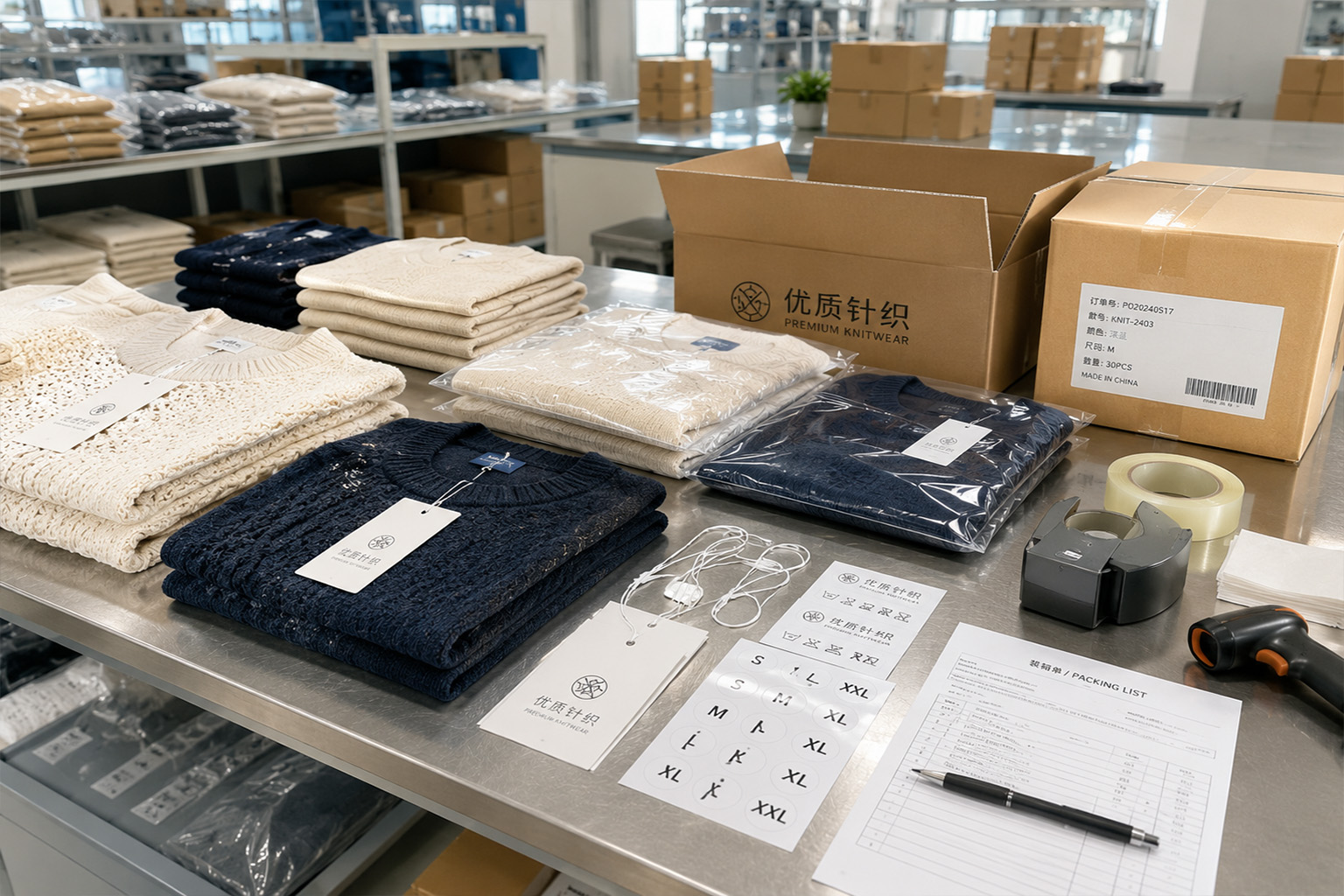
Private-label details are often finalized too late. That can delay bulk production, especially when custom labels, hangtags, barcodes or retail packing need separate approval.
Before production, confirm:
- Woven neck labels or printed labels
- Care labels and fiber-content information
- Size labels
- Hangtags and barcode files
- Polybag requirements
- Folding method or hanger packing
- Carton quantity and carton marks
- Country-of-origin and destination-market requirements
For U.S.-bound textile products, buyers should review applicable fiber-content, country-of-origin and care-labeling requirements. Requirements vary by product and destination market, so the final compliance responsibility should be confirmed with the brand’s compliance team or testing partner.
8. Use This Factory Comparison Checklist
Before selecting a clothing factory, compare suppliers against the same criteria.
- Relevant experience with your product category
- Clear response to tech pack or sample requirements
- Transparent MOQ by style, color and material
- Realistic sampling timeline and revision process
- Approved sample used as the bulk-production standard
- Documented quality-control checkpoints
- Clear measurement tolerance and workmanship standards
- Private-label and packing support
- Clear quotation assumptions and excluded costs
- Confirmed production window and delivery plan
- Responsive communication during development
FAQ
What should I send to a custom apparel manufacturer for a quote?
Send a tech pack, reference images or sample, target quantity, color plan, size range, preferred material, packaging requirements and requested delivery date. A target price can also help the supplier assess feasibility.
Can custom clothing manufacturers work from a photo?
Yes, many suppliers can start from a photo or reference sample. However, the factory will still need to confirm measurements, materials, construction, trims and labels before sampling or bulk production.
What is the difference between an OEM clothing manufacturer and an ODM supplier?
An OEM clothing manufacturer produces based on the buyer’s confirmed specifications, tech pack or approved sample. An ODM supplier can also support product development from references, seasonal direction or early-stage concepts.
How do I know whether a garment manufacturer has good quality control?
Ask about its material checks, approved sample process, in-line inspection, final inspection, measurement control, packing verification and corrective-action procedure. Request that these standards are discussed before bulk production.
Why can two clothing factories quote different prices for the same style?
The price can vary because of material selection, garment weight, construction, quantity, color count, labor requirements, finishing, labels, packaging and production schedule. Compare quotation assumptions, not only the final unit price.
Start With a Clear Product Review
The best custom apparel manufacturer is one that can turn your product requirements into a realistic sampling, costing and bulk-production plan.
QITE GARMENTS supports OEM and private-label knitwear development from tech pack, approved sample, sketch or reference image. Our team reviews yarn direction, gauge, measurements, labels, packing, sampling, quality control and export coordination for custom sweater programs.
For your next project, send QITE GARMENTS your tech pack or product reference with the target quantity, color plan, size range and delivery schedule.