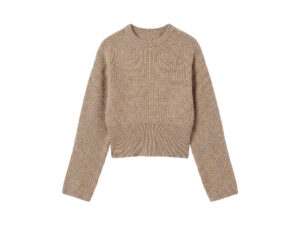
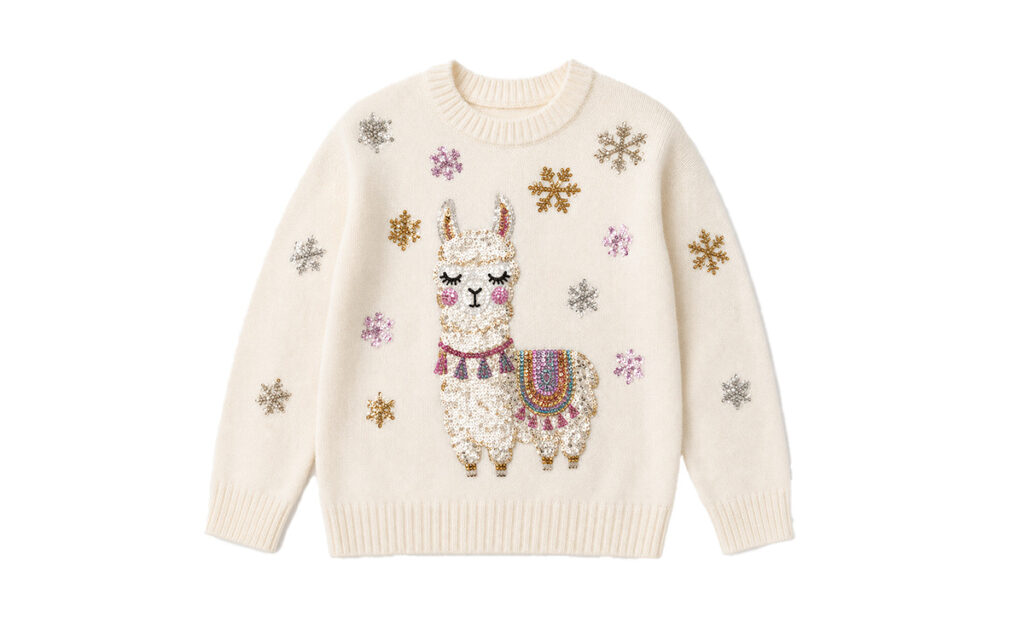
A clear kids sweater tech pack helps a brand, a children’s sweater manufacturer, and the quality-control team work from the same production standard.
For adult knitwear, a reference image may be enough to begin an initial discussion. For custom kids sweaters, however, the technical file needs more detail. Age range, neck opening, yarn feel, trims, decorative parts, labels, packing and target-market requirements can all affect whether a style is suitable for sampling and bulk production.
A complete kids sweater tech pack does not need to be complicated. It needs to make each important decision visible before an OEM kids sweater moves into sample development.
1. What a Kids Sweater Tech Pack Must Include
A kids sweater tech pack should give the factory enough information to develop a first sample without relying on assumptions.
| Tech Pack Section | What the Buyer Should Provide |
|---|---|
| Style information | Style name, season, product category and intended age group |
| Technical drawing | Front, back and close-up drawings for neckline, cuffs, hem, pockets and closures |
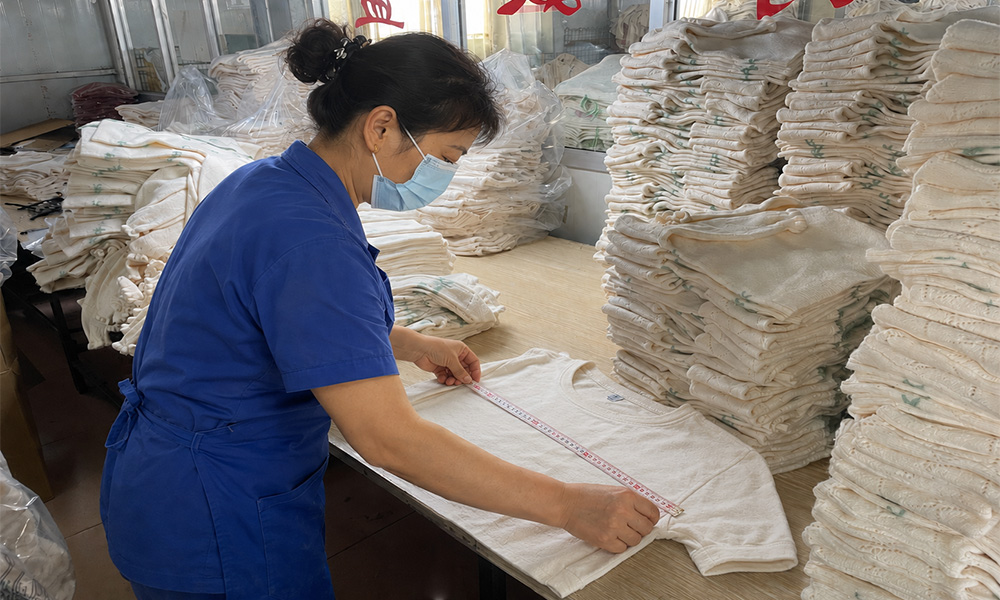
| Size chart | Base size, full size range, points of measurement and tolerances |
| Yarn specification | Fiber composition, yarn type, color, hand feel and target garment weight |
| Knitting details | Gauge, stitch structure, rib specification and finish requirements |
| Artwork | Jacquard chart, embroidery artwork, logo size and placement |
| Trims | Buttons, zippers, badges, patches, appliques, drawstrings or other components |
| Labels and packaging | Neck label, care label, size label, hangtag, polybag, barcode and carton requirements |
| Testing and inspection | Required tests, measurement checks, workmanship standards and metal-detection requirements where applicable |
For private label kidswear, a well-prepared file also reduces repeated questions between the design team, sourcing team and factory.
2. Age Groups, Sizing and Measurement Method
Children’s sizing should not be based only on labels such as “3T,” “4Y,” or “7–8Y.” A children’s sweater manufacturer needs to know the actual garment measurements and how those measurements should be taken.
Confirm the following before sampling:
- Intended age group and target customer
- Base sample size
- Full size range
- Chest width
- Body length
- Sleeve length
- Shoulder width
- Armhole depth
- Neck width and front/back neck drop
- Cuff and hem width
- Measurement tolerances
- Whether measurements are taken flat, relaxed, stretched or after washing
For a broad children’s size range, brands should consider approving more than one size. Reviewing the smallest, base and largest sizes can reveal grading issues before bulk production begins.
3. Neck Opening and Pull-On Safety
The neckline is a functional part of an OEM kids sweater, not only a design detail.
A neck opening that looks correct on a flat garment may be too tight for a child to pull over the head. On the other hand, an overly loose neckline may lose shape after wear and washing.
The tech pack should confirm:
- Neck width
- Front and back neck drop
- Rib type and rib recovery
- Collar height, if applicable
- Whether the sweater is a pullover, button-front or zip-front style
- Whether the garment is expected to stretch during pull-on
- Fit review method for the intended age group
For baby and younger children’s styles, buyers should pay particular attention to comfort around the neck and ease of dressing. The approved sample should be checked after finishing and, where required, after wash testing.
4. Yarn, Hand Feel, Gauge and Shrinkage
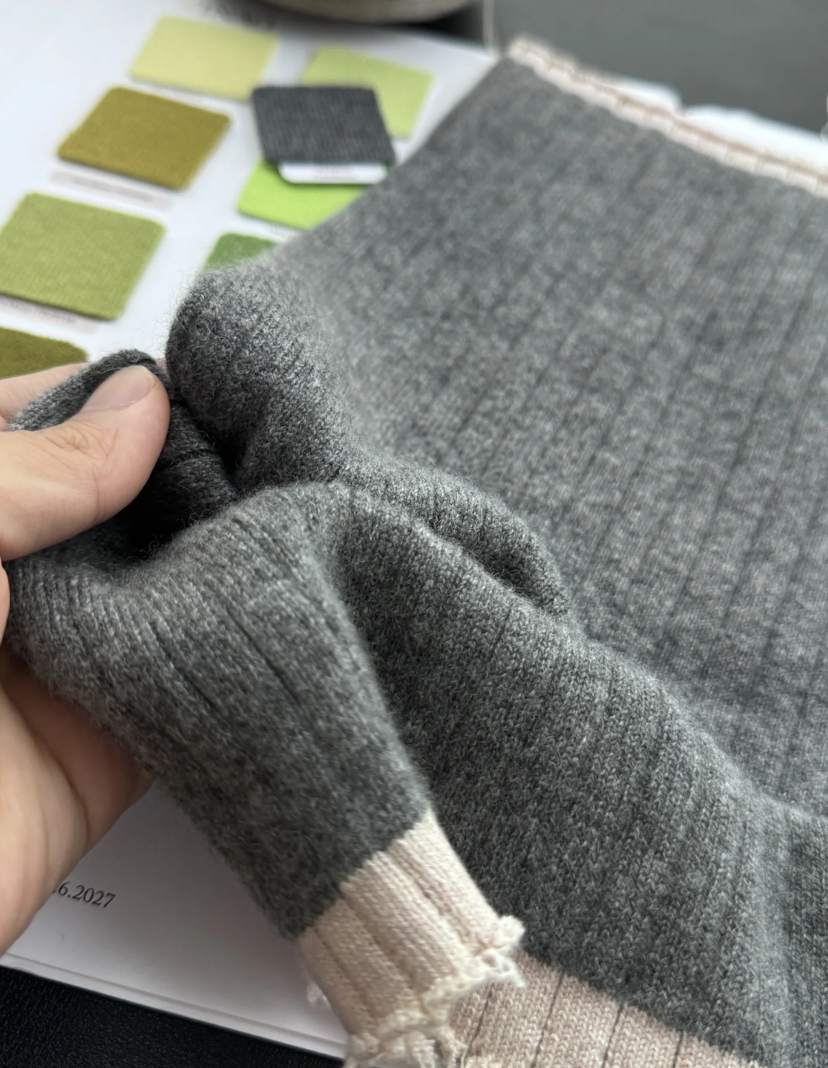
Yarn selection affects comfort, durability, cost and garment performance. A soft hand feel may be important for sensitive skin, while a more structured yarn may better support a school sweater or uniform program.
| Item | What to Confirm |
|---|---|
| Fiber composition | Cotton, wool, acrylic, viscose, recycled fiber or blend percentage |
| Hand feel | Soft, smooth, brushed, dry-touch, fluffy or structured |
| Gauge | Target gauge and acceptable appearance standard |
| Garment weight | Target weight by size or base sample |
| Stitch structure | Plain knit, rib, cable, jacquard, pointelle or other structure |
| Color | Pantone, physical swatch or approved lab dip |
| Shrinkage | Required wash method and acceptable dimensional change |
| Surface quality | Pilling expectations, loose fiber control and finishing requirement |
A kids sweater tech pack should specify whether the sample must be evaluated before or after washing. This matters because shrinkage, twisting, color change and shape recovery may only become visible after the relevant care process.
5. Buttons, Zippers, Drawstrings and Decorative Trim Risks
Children’s knitwear often uses decorative parts that require closer review than adult styles. Every trim should be listed in the tech pack, approved through a trim card or sample, and checked against the requirements of the destination market.
| Trim Type | Buyer Confirmation Point |
|---|---|
| Buttons and snaps | Size, material, attachment method, position and approved supplier |
| Zippers | Length, zipper type, puller shape, top-stop finish and neck-area comfort |
| Drawstrings | Whether they are appropriate for the garment category, age group and target market |
| Appliques and patches | Attachment method, edge finish and wash performance |
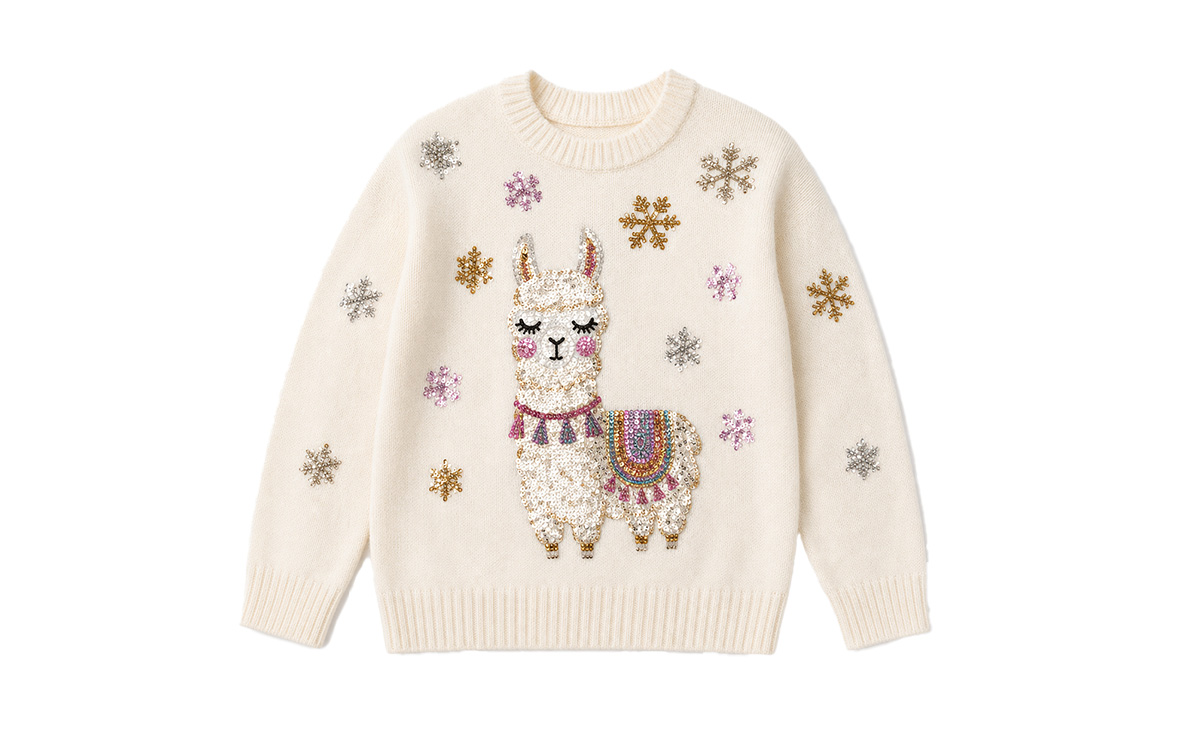
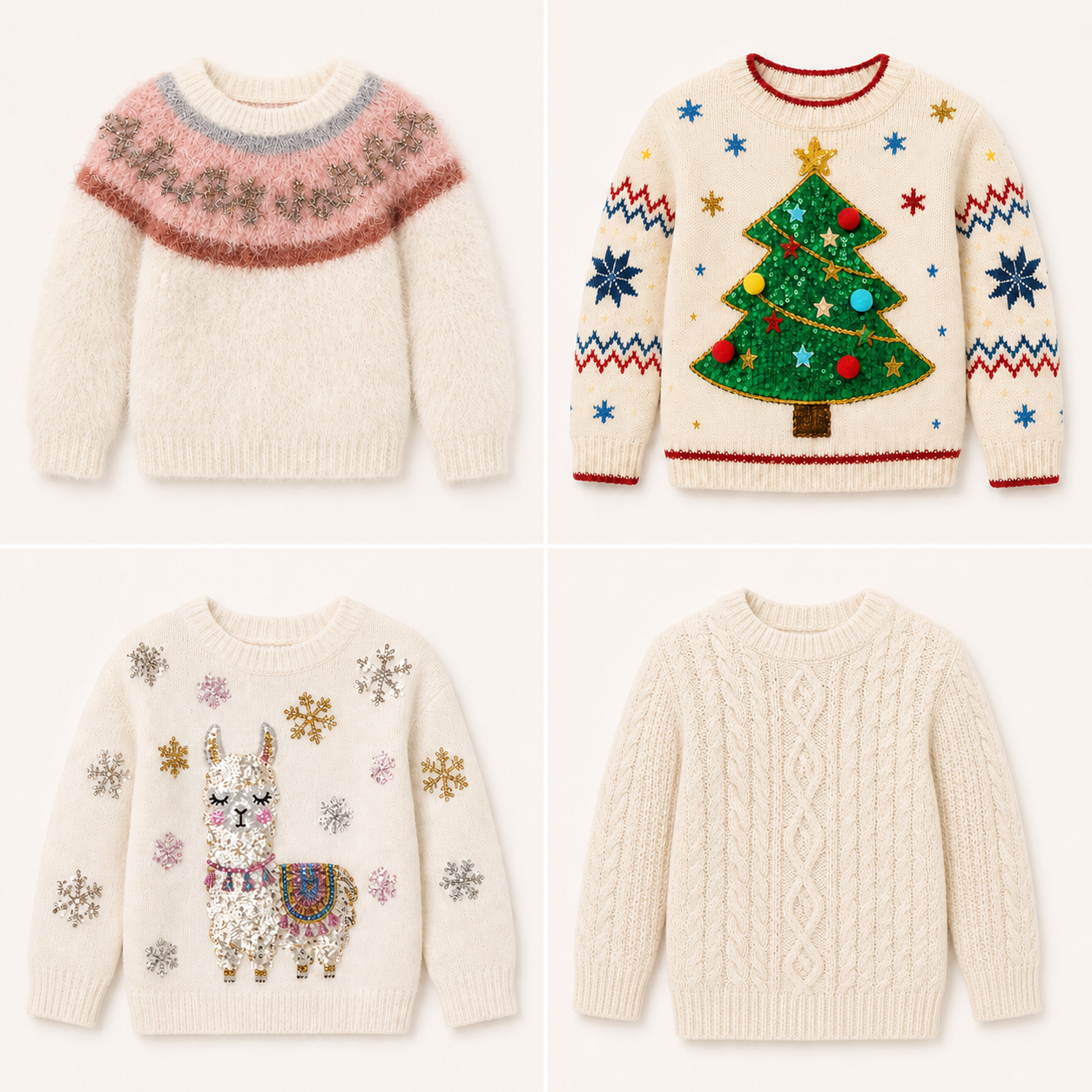
| Sequins, beads and pom-poms | Placement, attachment security and age suitability |
| Metal components | Type, location and whether metal detection is required before packing |
For custom kids sweaters, decorative details should never be treated as an afterthought. A button, embroidered badge or pom-pom can affect both the look of the garment and the production inspection process.
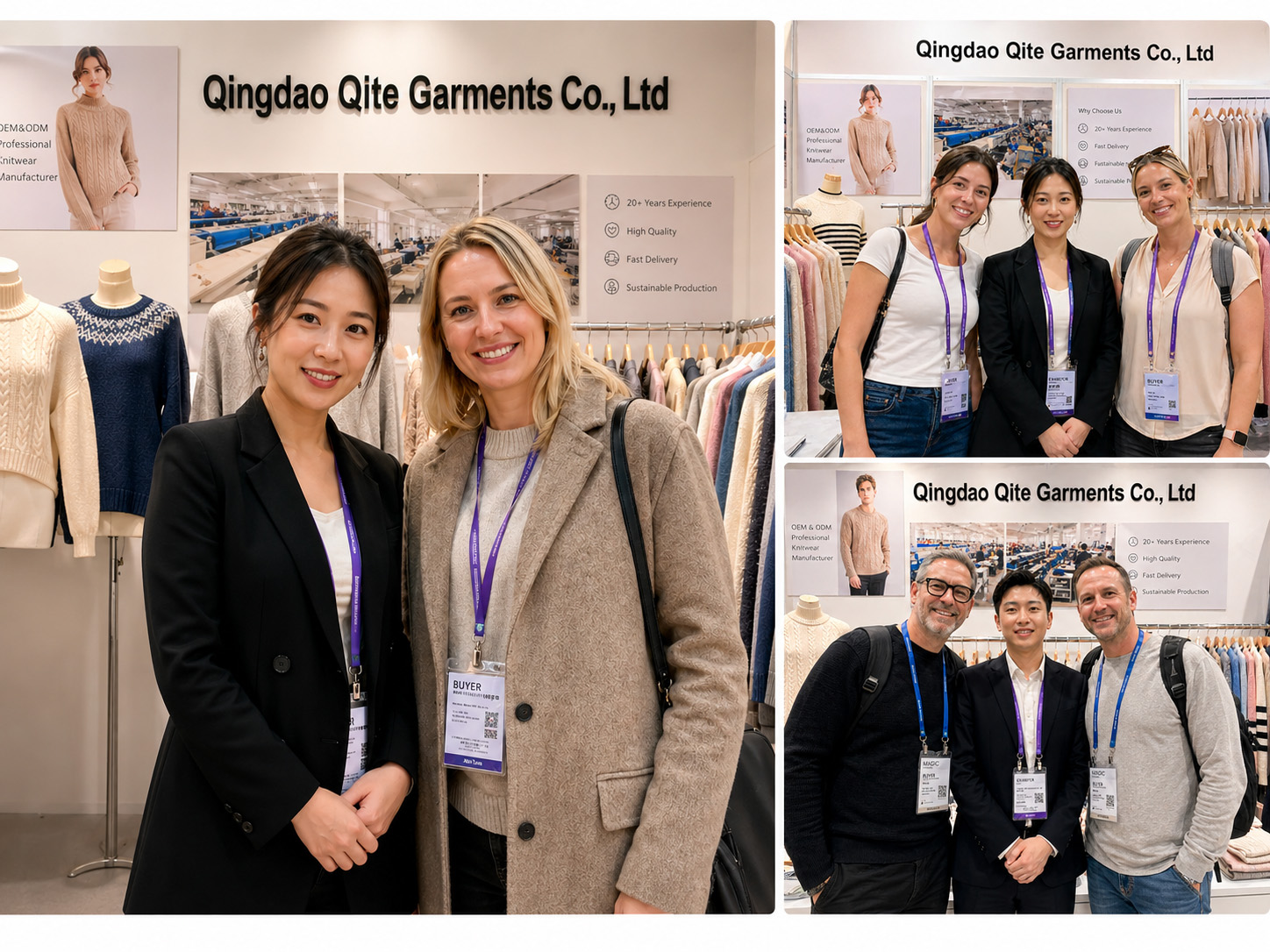
QITE GARMENTS can include needle and metal-detection control in the production process where it is required by the confirmed product category, trim specification and order requirements. This should be confirmed before bulk production, rather than added at the final packing stage.
6. Jacquard, Embroidery and Pattern Placement
Artwork needs its own page or clearly marked section in the kids sweater tech pack.
For jacquard, intarsia or embroidery styles, provide:
- Artwork file or clear visual reference
- Front, back and sleeve placement
- Motif dimensions
- Distance from neckline, hem, side seam or center front
- Required yarn colors or thread colors
- Size-specific artwork changes, if any
- Inside appearance requirements for embroidery or jacquard areas
- Approval standard for the final artwork sample
A motif may need to move slightly across sizes to maintain a balanced appearance. This is especially important for private label kidswear with a wide grading range.
7. Sample Testing and Revision Records
Sample approval should be recorded, not managed only through chat messages or photos.
| Review Item | Record Needed |
|---|---|
| Sample version | Sample number, date and revision stage |
| Measurements | Actual measurement report against the approved spec |
| Yarn and color | Swatch, yarn code, color approval status |
| Fit comments | Required changes to body, sleeve, neck or rib |
| Artwork | Approved logo, placement and color result |
| Trims | Approved button, zipper, label and decoration details |
| Wash review | Test method, visual result and measurement change |
| Final decision | Approved, approved with comments or revised sample required |
The final approved sample, approved tech pack and written comments should become the production reference for the OEM kids sweater order.
8. Labels, Packaging and Target-Market Requirements
Labels and packing are part of the product specification. They should be included in the tech pack before bulk production begins.
Typical private label kidswear requirements include:
- Brand neck label
- Size label
- Fiber-content label
- Care label
- Country-of-origin information
- Hangtag and barcode
- Polybag warning or packaging instruction where required
- Carton marks and packing ratio
- Retailer-specific folding or hanger requirements
For U.S.-bound textile products, brands should review applicable fiber-content, country-of-origin and care-labeling obligations. Children’s product requirements can vary depending on product type, intended age group, trims and destination market. Buyers should confirm applicable requirements with their own compliance team, testing partner or legal adviser before production.
9. Bulk Production Confirmation Checklist
Before approving bulk production, confirm that the following are complete:
- Final kids sweater tech pack approved
- Size chart and measurement tolerances confirmed
- Approved yarn composition, color and gauge recorded
- Neck opening and fit approved for the intended age group
- Buttons, zippers, drawstrings and decorations approved
- Artwork placement approved by size
- Sample measurement report reviewed
- Wash or shrinkage review completed where required
- Labels, hangtags and packaging artwork approved
- Target-market testing and compliance needs confirmed
- Metal-detection requirement confirmed where applicable
- Pre-production sample approval process agreed
FAQ
What is the most important part of a kids sweater tech pack?
The most important sections are the age group, garment measurements, neckline specification, yarn details and trim requirements. These directly affect fit, comfort, safety review and bulk-production accuracy.
Can a children’s sweater manufacturer develop a sample from a photo?
Yes. A photo can help begin development, but the buyer should still provide measurements, yarn preference, gauge direction, logo details, trim specifications and target market information. The more complete the kids sweater tech pack, the fewer assumptions are needed.
Should custom kids sweaters go through metal detection?
The requirement depends on the garment category, trim use, buyer specification and agreed inspection process. When applicable, it should be confirmed before production and included in the quality-control plan.
How should brands approve sizing for a full kidswear range?
For a wide size range, brands should consider reviewing the smallest, base and largest sizes. This helps confirm that grading, artwork placement, neck opening and proportions remain appropriate across the range.
Can QITE GARMENTS support private label kidswear development?
QITE GARMENTS supports OEM kids sweater development with yarn and gauge discussion, sample development, private-label details, production follow-up, quality checks and export communication.
Develop Your Kids’ Sweater Program With Clear Specifications
A detailed kids sweater tech pack gives the buyer and factory a shared standard before sampling begins. It helps a children’s sweater manufacturer identify technical risks early, improve sample accuracy and prepare a clearer path from development to bulk production.
For a custom children’s knitwear project, contact QITE GARMENTS with your tech pack, reference images, target quantity, size range and target delivery date.