
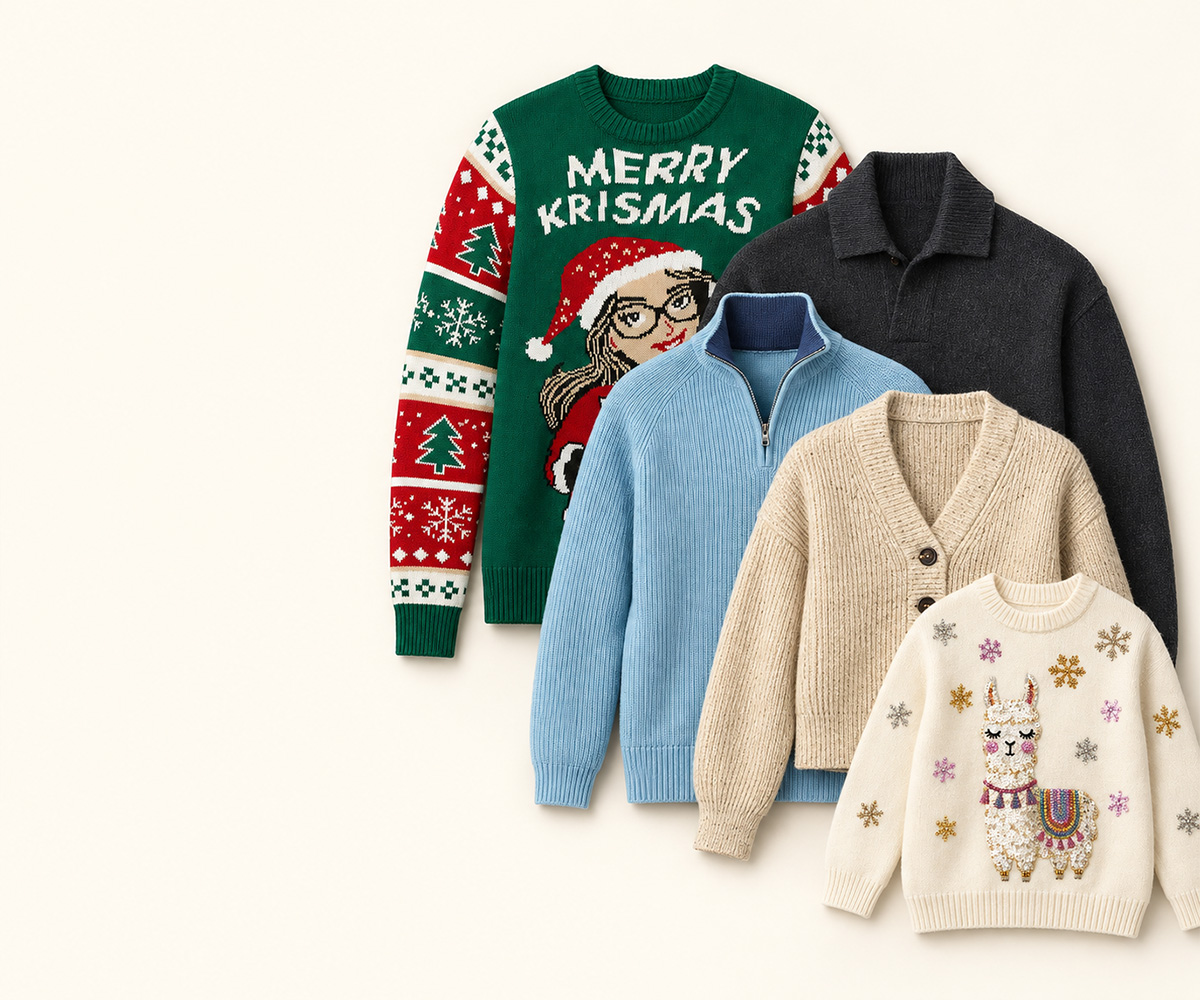
For UK fashion brands, retailers, clubs and corporate buyers, custom jumpers need to do more than carry a logo. They need the right yarn, weight, fit, colour, branding method and private-label details for the intended customer and season.
In UK English, “jumper” commonly refers to what many international suppliers call a sweater or pullover. When discussing development with an overseas factory, it helps to use both terms in the tech pack so there is no confusion about the product category.
This guide explains what buyers should confirm when developing custom knitted jumper programs, from the first yarn swatch to final packing.
1. Define the Custom Jumper Before Requesting a Quote
A clear brief helps the supplier quote accurately and recommend suitable materials and knitting methods.
Your first enquiry should include:
- Style type: crew neck, V-neck, cardigan, quarter zip, polo knit or vest
- Target wearer: womenswear, menswear, unisex, schoolwear, corporate or retail
- Target season: lightweight spring knit, autumn layer or winter jumper
- Fit direction: regular, relaxed, oversized, cropped or fitted
- Target quantity, colours and size range
- Reference images, sketch, original sample or tech pack
- Target price and delivery date
- Logo artwork, if required
- Label and packaging requirements
A supplier can begin a bespoke knitwear discussion from a reference image, but accurate sampling needs confirmed measurements, yarn direction, colours and branding details.
2. Choose Yarn Based on Wear, Price and Product Positioning
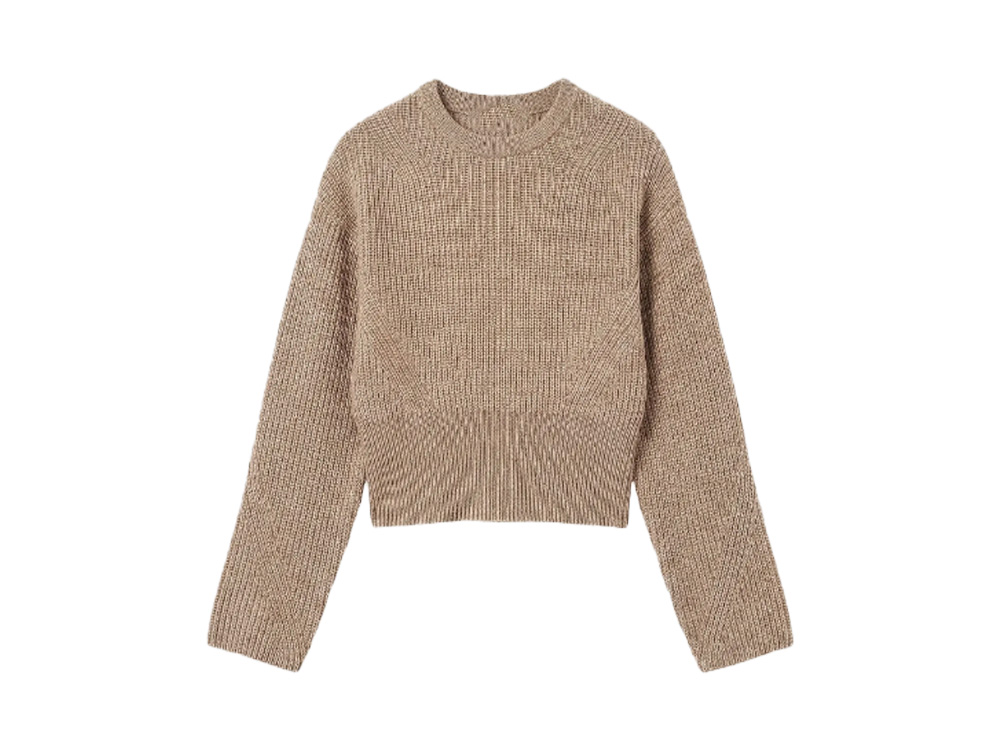
Yarn is one of the most important decisions in custom made sweaters. It affects hand feel, warmth, durability, pilling performance, garment weight and final cost.
| Yarn Direction | Typical Product Consideration |
|---|---|
| Cotton or cotton blend | Breathable, suitable for lighter jumpers and transitional seasons |
| Wool or wool blend | Warmth, natural appearance and winter-focused positioning |
| Acrylic blend | Cost-conscious programs, colour flexibility and easy-care options |
| Viscose blend | Softer drape and smoother handle for fashion knitwear |
| Recycled fibre blend | Suitable where a brand has substantiated material and sustainability claims |
| Cashmere or luxury blend | Premium hand feel, higher material cost and more careful development control |
Buyers should also confirm yarn composition, yarn count, garment weight, gauge and wash expectations. Two custom knit sweaters can look similar in a photo but differ significantly in cost and performance because of yarn consumption and knitting time.
For brands making recycled, organic or other environmental claims, the claim should be supported by accurate fibre information and relevant documentation. Avoid broad sustainability language that cannot be clearly evidenced.
3. Select the Right Gauge and Knit Structure
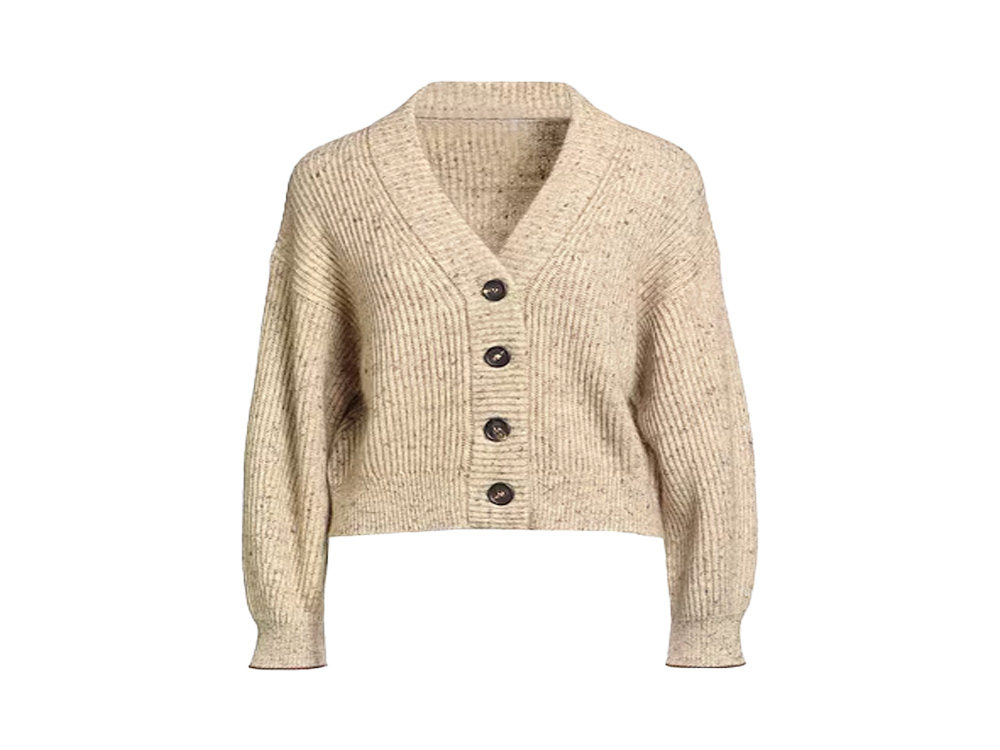
Gauge refers to the fineness of the knitting. In general, a lower gauge produces a heavier and chunkier appearance, while a higher gauge creates a finer and lighter knit.
| Knit Detail | Buyer Consideration |
|---|---|
| Fine gauge | Lightweight, refined appearance and close-to-body fit |
| Mid gauge | Versatile option for many retail jumper programs |
| Chunky gauge | Heavier winter feel, stronger texture and more yarn consumption |
| Rib knit | Stretch and recovery for cuffs, hems, collars or fitted bodies |
| Cable knit | Textured appearance with additional machine time and yarn use |
| Jacquard | Suitable for patterns, motifs and colour designs |
| Intarsia | Cleaner large colour blocks or logo artwork, with higher complexity |
| Pointelle or open knit | Decorative texture that needs clear fit and transparency expectations |
A custom knitted jumper should not be approved from a digital mock-up alone. The sample should show the actual gauge, stitch density, yarn hand feel, neckline recovery and garment shape after finishing.
4. Confirm Fit, Measurements and Grading
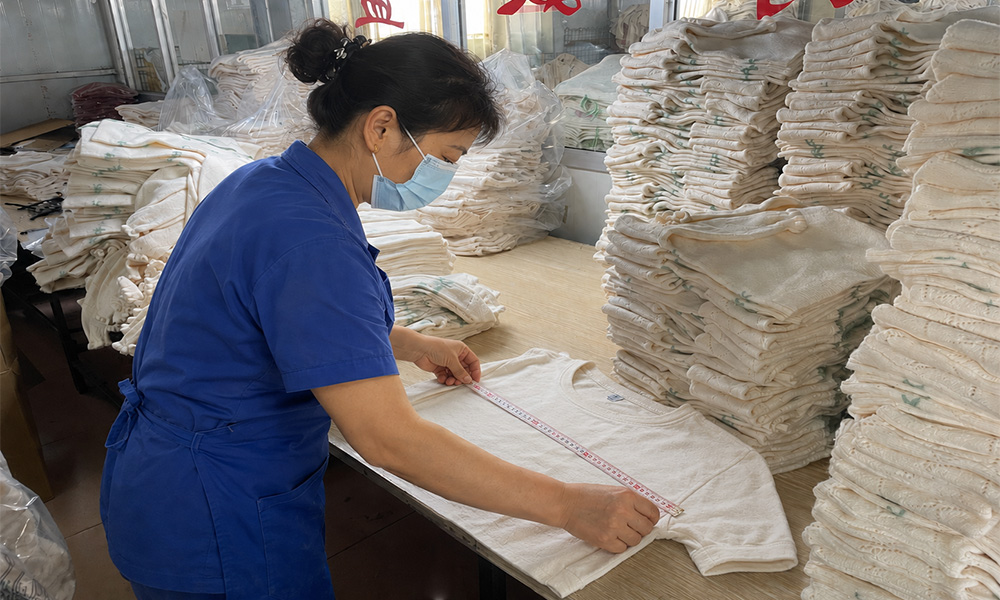
Fit is often where a promising sample becomes a costly revision cycle. UK brands should give the factory a complete size chart instead of relying only on labels such as S, M, L or UK 8–10.
The tech pack should confirm:
- Base sample size
- Full size range
- Chest width
- Body length
- Shoulder width
- Sleeve length
- Armhole depth
- Neck width and neck drop
- Cuff and hem measurement
- Measurement tolerances
- Whether the garment is measured flat, relaxed or stretched
For oversized or relaxed custom jumpers, provide a reference fit image and explain the intended silhouette. “Oversized” can mean different proportions to different suppliers. State whether the extra volume is intended in the body, shoulder, sleeve, length or all areas.
5. Choose the Best Logo Method
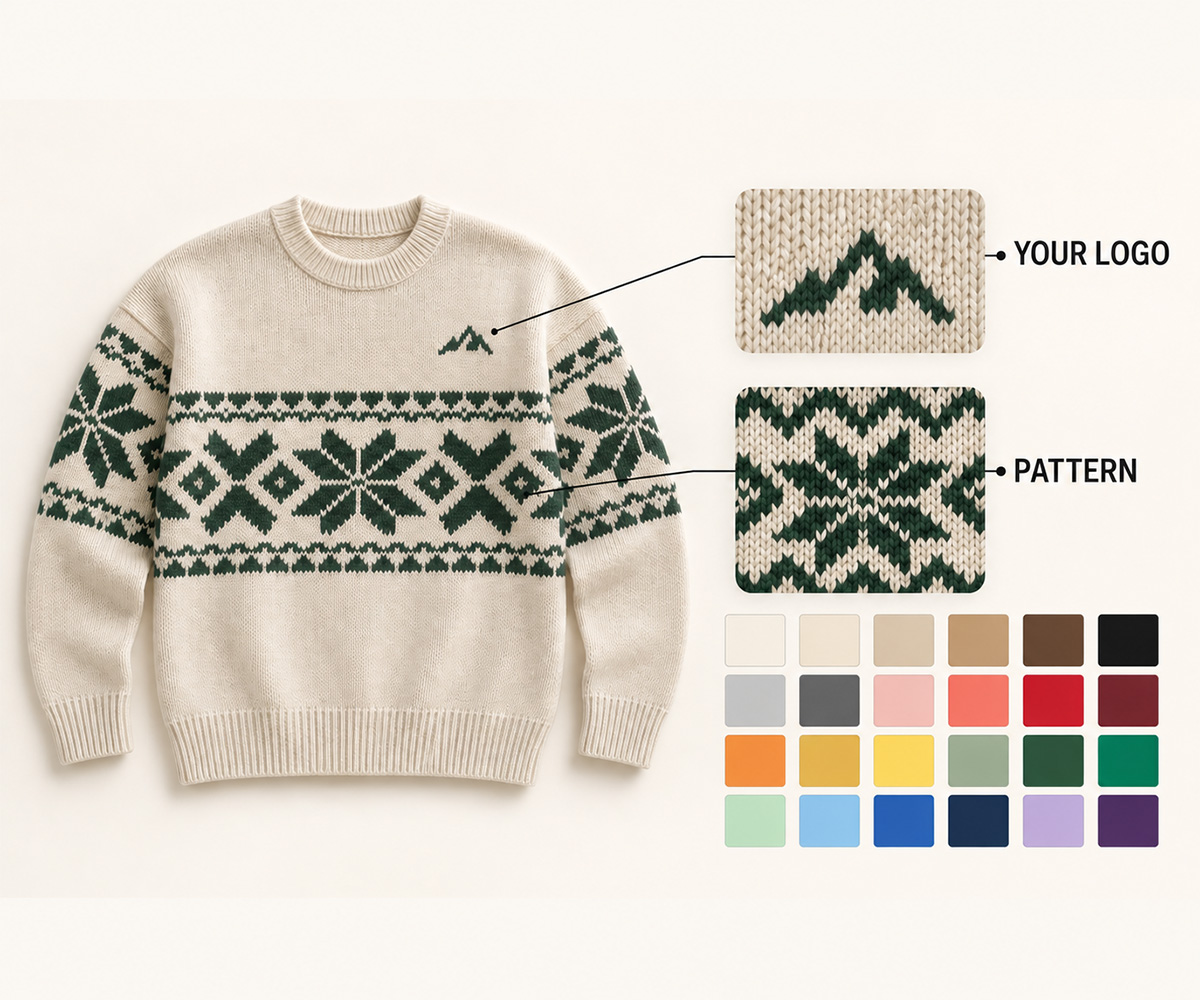
The right logo technique depends on artwork complexity, logo size, quantity, yarn colours and the intended visual effect.
| Logo Method | Best For | Key Buyer Question |
|---|---|---|
| Jacquard | Repeating patterns, club motifs and multi-colour knit graphics | How many yarn colours are required? |
| Intarsia | Larger colour-block logos or front-panel artwork | Is the artwork suitable for knit construction? |
| Embroidery | Smaller chest logos, sleeve marks and premium branding | What is the backing and stitch density requirement? |
| Woven badge | Heritage, school, club or uniform identity | How will the badge be attached? |
| Printed patch | Detailed graphics that may not translate well into knitting | Is the patch fabric suitable for the jumper fabric? |
| Neck label and hangtag | Brand identity for retail or private-label programs | Are artwork files and packing details final? |
For custom jumpers with logo, buyers should provide editable logo artwork where possible, plus logo size, location and colour references. A factory should also confirm whether the artwork needs to change across different garment sizes.
6. Prepare Private Label Knitwear Details Early
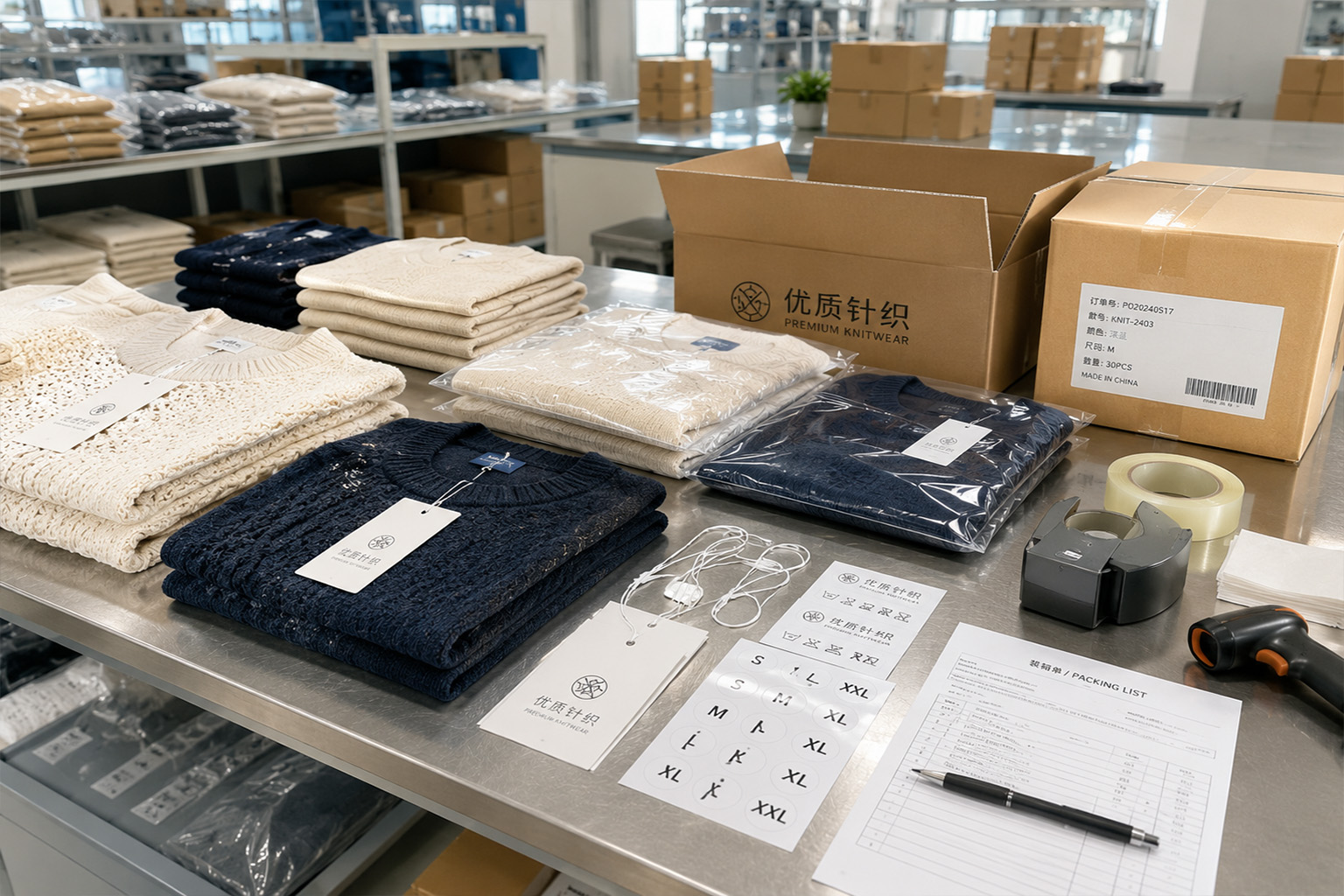
A polished jumper program includes more than the garment. Private label knitwear usually requires specific brand and retail information before bulk production can begin.
Confirm the following:
- Woven neck label or printed brand label
- Size label
- Care label
- Fibre composition label
- Country-of-origin requirement
- Hangtag and barcode artwork
- Polybag instruction
- Folding method or hanger packing
- Carton assortment and carton marks
For textile products placed on the Great Britain market, fibre content must be shown. Where a product contains components with different fibre contents, the relevant composition information also needs to be considered. Manufacturers and retailers are responsible for meeting applicable textile-label requirements.
This is why label artwork should be reviewed as part of the pre-production process, not after bulk garments are completed.
7. Use Sampling to Confirm the Production Standard
A sample is the most useful checkpoint in any bespoke knitwear project. It lets the buyer assess the actual product rather than a concept image.
Review the sample for:
- Yarn hand feel and fibre composition
- Gauge and garment weight
- Fit and measurements
- Neckline, cuff and hem recovery
- Colour accuracy
- Logo appearance and placement
- Surface quality and loose yarns
- Linking seams and finishing
- Label position and readability
- Washing, shrinkage or pilling review where required
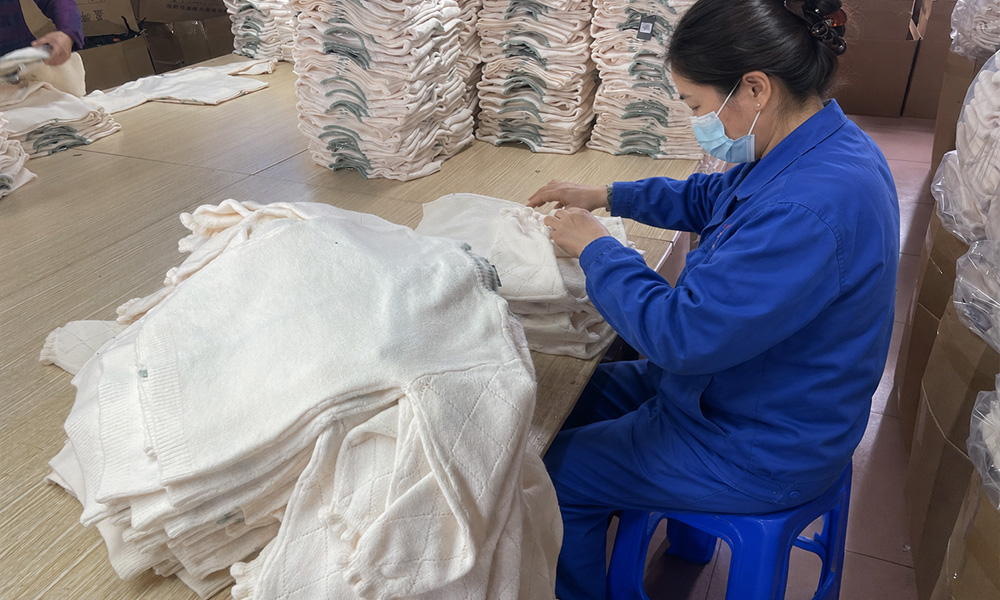
Record every change in writing. The final approved sample, measurement chart, artwork, trims and packing instruction should become the bulk-production reference.
8. Ask the Factory These Questions Before Bulk Production
Before confirming an order for custom made sweaters, ask:
- Is the yarn available in the required colour and quantity?
- Has the gauge and knit structure been approved?
- Is the final sample approved against the tech pack?
- Are labels, hangtags and packaging artwork confirmed?
- What is the MOQ by style and colour?
- What affects the final price?
- What is the expected bulk-production schedule after sample approval?
- What in-line and final quality checks will be used?
- Who will manage production updates and shipment coordination?
QITE GARMENTS supports OEM and ODM knitwear projects from tech packs, reference samples, sketches and artwork. Its review process covers yarn, gauge, garment weight, workmanship, labels, packing, sampling and quality control before shipment preparation.
FAQ
What is the difference between custom jumpers and custom knit sweaters?
They generally describe the same product category. “Jumper” is more commonly used by UK buyers, while “sweater” is more common in North American and international sourcing language.
Can I order custom jumpers with logo from a reference image?
Yes. A reference image can begin development, but the supplier still needs to confirm yarn, gauge, fit, measurements, logo method, colour plan and label requirements before sampling.
Which logo method is best for a knitted jumper?
Jacquard and intarsia work well for integrated knit graphics. Embroidery and woven badges are often better for smaller or more detailed logos. The best method depends on artwork, size, yarn colours and target cost.
What should a private label knitwear buyer send to the factory?
Send a tech pack or reference image, target quantity, colour plan, size range, yarn preference, logo artwork, labels, packaging requirements and target delivery date.
How can I avoid fit problems in bulk production?
Approve a measurement report and final sample before bulk production. For a wider size range, review grading across more than one size rather than approving only the base size.
Develop Your Custom Jumper Program
Well-planned custom jumpers combine the right yarn, fit, knitting technique, branding and packing standard. The strongest results come from confirming those details before the bulk order is released.
QITE GARMENTS supports custom knit sweaters, logo development and private label knitwear for global brands, wholesalers and retailers. Send your jumper tech pack, reference image or product brief to QITE GARMENTS for sampling and quotation review.