Wash testing is an important development step for kids’ custom sweaters. A sample may look correct when it leaves the factory but change after washing because of yarn behaviour, stitch structure, finishing or incorrect care instructions.
Shrinkage is only one part of the review. Brands should also check twisting, garment balance, neckline stretch, rib recovery, colour appearance, surface condition and trim security.
For children’s knitwear, these checks help determine whether the approved sample will remain wearable and presentable after normal consumer care.
1. Why Wash Testing Matters for Kids’ Knitwear
Children’s garments may be washed more frequently than many adult fashion items. They can also experience repeated pulling at the neckline, stretching at the cuffs and greater movement during wear.
Wash testing helps buyers evaluate:
- Dimensional shrinkage
- Garment growth
- Body or side-seam twisting
- Neckline shape
- Cuff and hem recovery
- Sleeve balance
- Colour change
- Pilling or surface fuzz
- Trim attachment
- Label condition
- Overall appearance after care
A test result should be compared with an agreed standard. “Looks acceptable” is not precise enough for approving custom kids sweaters for bulk production.
2. Define the Test Before Washing
The factory and buyer should agree on the test conditions before the sample is washed.
Record:
| Test Item | Information to Confirm |
|---|---|
| Sample reference | Style number, colour, size and sample version |
| Yarn | Composition, yarn count, colour and supplier reference |
| Knit construction | Gauge, stitch structure and rib details |
| Wash method | Machine wash, hand wash or professional care |
| Temperature | Confirmed according to the intended care instruction |
| Detergent | Standard or buyer-specified detergent |
| Drying method | Flat dry, line dry, tumble dry or other method |
| Test cycles | Number of wash-and-dry cycles |
| Conditioning | Resting period before final measurements |
| Acceptance criteria | Buyer-approved shrinkage and appearance limits |
The sample should normally be tested using the care method intended for the final label. Testing with one method and labelling the garment with another can produce misleading results.
For formal compliance or retailer programs, testing should be completed by an approved laboratory using the buyer’s required method.
For U.S.-bound apparel, the FTC’s care-label guidance explains that care instructions need a reasonable basis supported by reliable evidence. Review the finished garment, including components, when confirming the proposed care direction.
3. Measure the Garment Before and After Washing
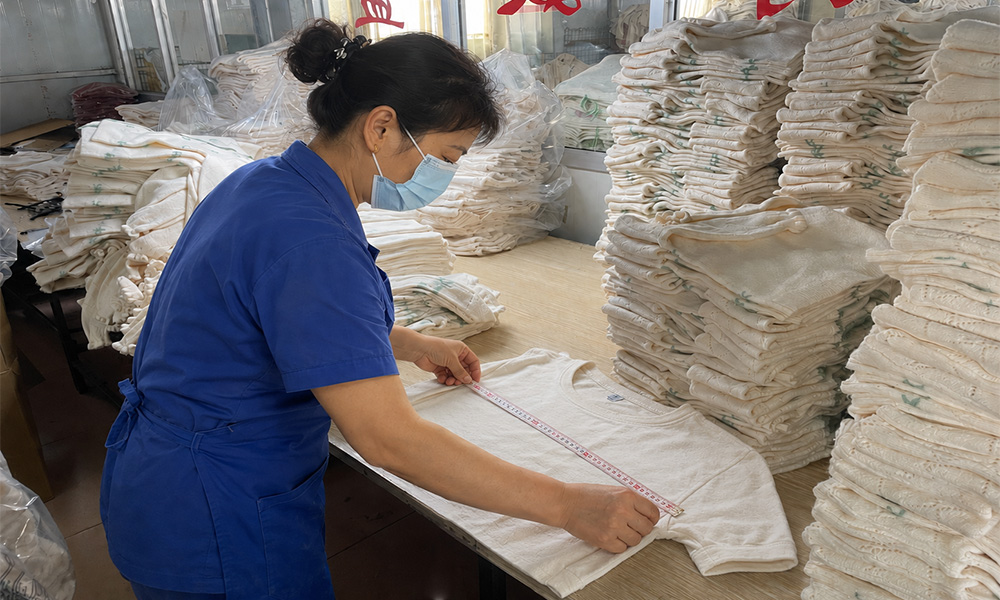
Measure the sample before washing and use the same measurement method after washing.
Common measurement points include:
- Chest width
- Body length
- Shoulder width
- Sleeve length
- Armhole depth
- Neck width
- Front and back neck drop
- Cuff opening
- Hem width
- Cardigan or zipper length, where applicable
Lay the garment flat without pulling or stretching it. Record whether rib measurements are taken relaxed or extended.
The same person, measurement points and measuring technique should be used whenever possible. This reduces variation caused by the inspection method rather than the garment.
4. Calculate Shrinkage Correctly
Dimensional change can be calculated using the pre-wash and post-wash measurements:
Dimensional change (%) = (post-wash measurement − pre-wash measurement) ÷ pre-wash measurement × 100
A negative result indicates shrinkage. A positive result indicates growth.
Example
A sweater has a pre-wash body length of 50 cm and a post-wash length of 48.5 cm:
(48.5 − 50) ÷ 50 × 100 = −3%
The body length has shrunk by 3%.
| Measurement Point | Before Wash | After Wash | Change |
|---|---|---|---|
| Chest width | 40.0 cm | 39.2 cm | -2.0% |
| Body length | 50.0 cm | 48.5 cm | -3.0% |
| Sleeve length | 45.0 cm | 44.1 cm | -2.0% |
| Neck width | 16.0 cm | 16.3 cm | +1.9% |
The acceptable result should be defined by the buyer, product category, yarn and target market. There is no single shrinkage limit suitable for all custom knitted sweaters.
Interpret the Example Against an Agreed Test Method
The percentages in the example explain the calculation; they are not universal pass or fail limits. Set acceptable change separately for each measurement and appearance criterion before testing. Compare results only when the washing, drying, conditioning and measuring procedures are consistent. A development wash review does not replace a retailer’s required laboratory test.
5. Check Shape Retention, Not Only Measurements
Two garments can have similar shrinkage results but look very different after washing. This is why the sample must also undergo a visual and functional review.
Body and Seam Alignment
Check whether:
- Side seams remain straight
- The body has twisted
- Front and back lengths remain balanced
- The hem hangs evenly
- Sleeves remain aligned
- Shoulder seams have moved
Neckline
For pullovers, confirm that the neck opening still allows comfortable dressing and returns to shape afterward.
Check:
- Neck width after washing
- Rib recovery
- Collar edge waviness
- Neck seam distortion
- Button or shoulder-opening function, if used
Cuffs and Hem
Rib cuffs and hems should recover after stretching. Look for:
- Excessive opening
- Flared cuffs
- Uneven rib width
- Wavy hems
- Loss of elasticity
- Differences between left and right cuffs
These checks are particularly important for kids custom sweaters, where comfort and ease of dressing influence the usefulness of the finished product.
6. Evaluate Yarn and Surface Changes
Washing can change how a yarn looks and feels. The review should include:
- Pilling
- Fuzzing
- Felting
- Colour loss
- Colour transfer
- Uneven surface appearance
- Yarn breakage
- Loose fibres
- Changes in softness
- Changes in garment weight or density
Brushed or fluffy yarns may naturally show a different surface from smooth cotton or fine-gauge yarns. The buyer and manufacturer should agree on the intended appearance rather than use one standard for all custom made sweaters.
If pilling performance is commercially important, request appropriate laboratory testing in addition to a development wash test.
7. Inspect Trims and Decorations After Washing
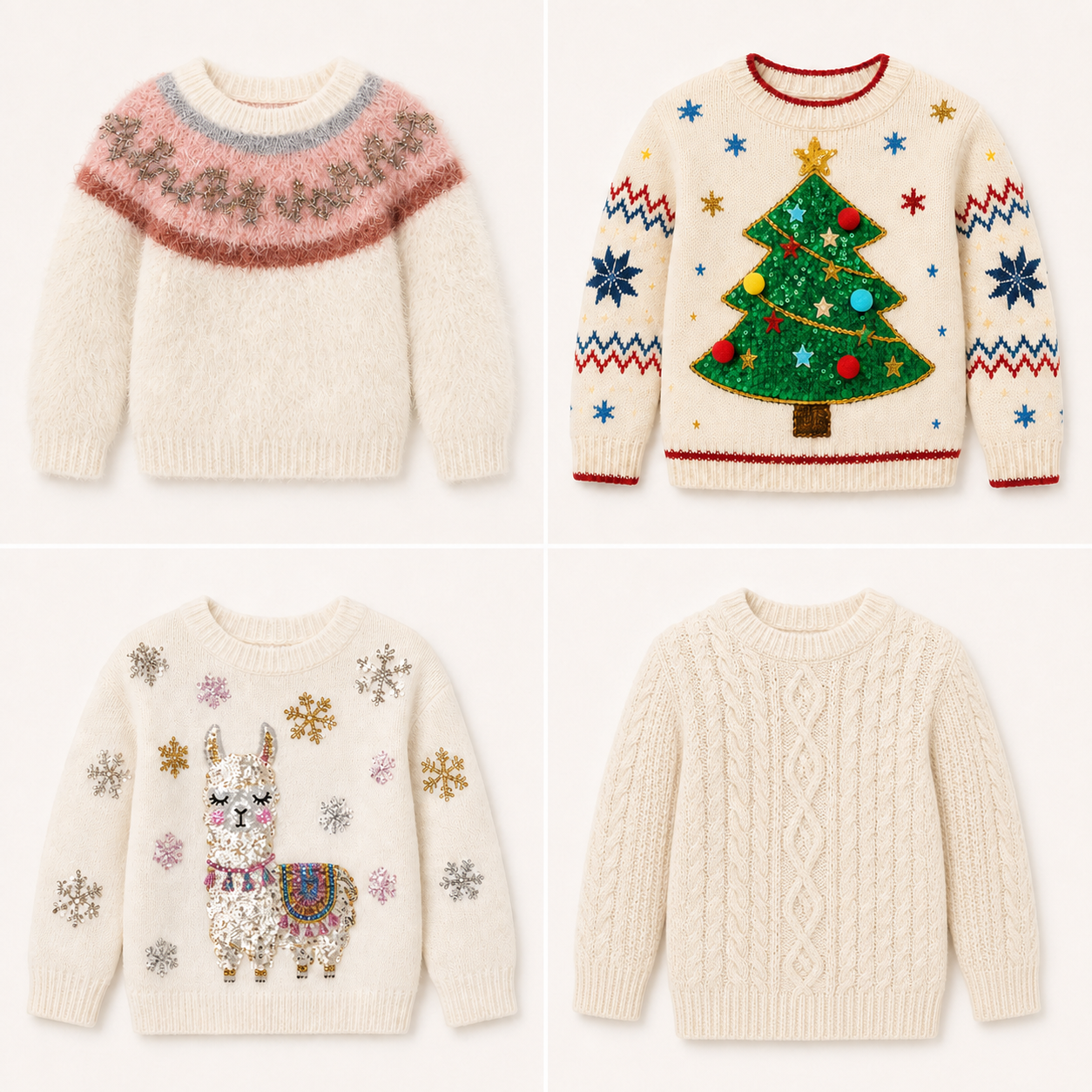
For children’s styles, wash testing should include the complete garment with production-representative trims.
Review:
| Component | Post-Wash Check |
|---|---|
| Buttons and snaps | Attachment, cracking, colour and function |
| Zippers | Operation, waviness, colour and puller condition |
| Embroidery | Puckering, thread damage and backing condition |
| Appliques and patches | Edge lifting, distortion and attachment |
| Jacquard motifs | Shape, colour and loose yarns |
| Pom-poms or decorative parts | Attachment and appearance |
| Labels | Legibility, softness and secure attachment |
| Cracking, peeling, fading or colour transfer |
A decoration that looks secure before washing may loosen after repeated care. Any failed component should be investigated and corrected before bulk approval.
The suitability of trims must also be assessed for the intended age group and destination market.
8. Record Every Test and Sample Revision
A proper wash-test record should identify exactly which sample was tested.
Include:
- Style number
- Sample version
- Test date
- Size and colour
- Yarn lot or reference
- Wash and drying method
- Number of cycles
- Before-and-after measurements
- Dimensional-change calculations
- Appearance comments
- Photos before and after washing
- Corrective action
- Approval status
If the factory changes the yarn, gauge, finishing process or construction after testing, the original result may no longer represent the product. A revised sample may need to be tested again.
For private label knitwear, keep the test report with the final tech pack, approved sample comments and label artwork.
9. Connect Sample Testing to Bulk Production
A good sample result does not remove the need for production control. Bulk garments must be made using the same confirmed yarn, gauge, construction and finishing process.
Before production, confirm:
- Approved yarn composition and supplier reference
- Yarn lot and colour standard
- Gauge and stitch density
- Garment measurements
- Washing and finishing process
- Approved care instruction
- Measurement tolerances
- Trim and decoration specifications
- Inspection and testing plan
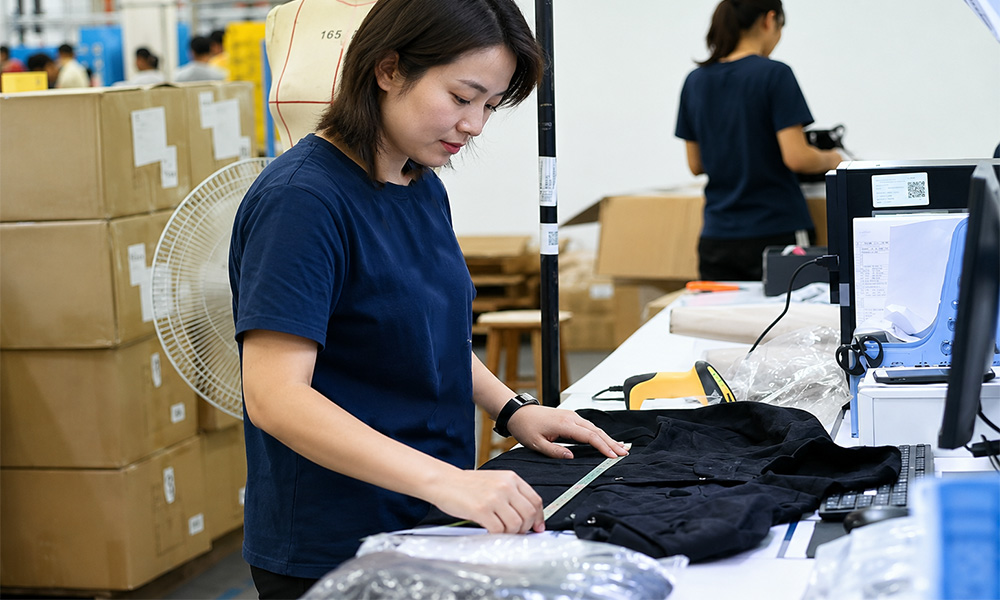
During bulk production, the manufacturer should check garment dimensions before and after the relevant finishing operation. Where required, production garments should be selected for additional wash or laboratory testing.
Transfer the confirmed yarn, construction, finishing settings and care direction into the bulk knitwear production plan. Any change that could affect performance should trigger a review of whether the original test result still represents the product.
10. Include Needle and Metal Control
Wash testing does not replace product-safety controls.
For children’s garments, buyers should confirm the factory’s needle-control and broken-needle procedures. Finished products should pass through applicable needle or metal-detection equipment at the agreed production stage where required by the product category and order specification.
Garments containing approved metal components may require an agreed detection method and clearly documented inspection procedure.
Bulk Approval Checklist
Before approving kids custom sweaters for production, confirm:
- Production-representative yarn and colour tested
- Wash and drying conditions recorded
- Pre-wash measurements completed
- Post-wash measurements completed
- Dimensional-change percentages calculated
- Neck opening and recovery reviewed
- Cuffs and hem checked for shape retention
- Body and sleeves checked for twisting
- Pilling and surface appearance reviewed
- Buttons, zippers and decorations inspected
- Care-label instruction matches the test method
- Corrected sample retested where necessary
- Approved sample and test report retained
- Bulk inspection and metal-detection requirements confirmed
FAQ
Should every kids’ sweater sample be wash tested?
A production-representative sample should be evaluated using the intended care method. The required test scope depends on the yarn, style, buyer standard and destination market.
Is shrinkage the same in every direction?
No. Body width, body length and sleeve length may change by different percentages. Each important measurement point should be calculated separately.
How many wash cycles are needed?
The number of cycles should be defined by the buyer, retailer or required testing method. A single development wash can identify immediate issues, while repeated cycles provide more information about ongoing performance.
Can the factory adjust the pattern for expected shrinkage?
Yes. Pattern or panel measurements can be adjusted where testing shows consistent dimensional change. The corrected sample should then be retested to confirm the result.
When should custom kids sweaters be retested?
Retesting should be considered when the yarn, gauge, colour process, construction, wash finish or care method changes, or when a revised sample corrects a previous failure.
Develop Wash-Stable Children’s Knitwear
Reliable kids custom sweaters require more than an attractive first sample. Measurements, shape recovery, surface appearance, trims and care instructions should remain consistent after the agreed wash process.
QITE GARMENTS supports children’s knitwear, custom knitted sweaters and private label knitwear development with sample review, measurement control, production follow-up, quality inspection and applicable needle or metal-detection procedures.
Send QITE GARMENTS your kids’ sweater tech pack with the yarn direction, size range, care requirements, quantity and target delivery date for development review.