
The global fashion industry is changing quickly, and sweater manufacture is no longer only about finding the lowest production price. For fashion brands, wholesalers, importers, and private label buyers, choosing the right sweater manufacturer now means balancing cost, quality, flexibility, delivery time, material options, and supply chain stability.
In 2026, buyers are paying more attention to reliable knitwear suppliers because the market is becoming harder to predict. Seasonal demand changes faster, inventory risk is higher, and brands need manufacturing partners who can support both product development and bulk sweater production with clear communication.
For companies planning new knitwear collections, working with an experienced sweater manufacturer in China can help turn product ideas into market-ready sweaters more efficiently.
Why Sweater Manufacture Matters More in 2026
Sweaters are a seasonal product category, but demand can change quickly depending on weather, fashion trends, retail promotions, and online sales performance. A delayed sample, wrong yarn choice, or unstable bulk production schedule can directly affect a brand’s launch plan.
This is why many buyers are no longer searching only for a low-cost sweater factory. They are looking for a supplier who can support the full process, including design review, yarn selection, gauge recommendation, sample development, private label details, quality inspection, and export shipment.
A good sweater manufacture partner helps buyers reduce mistakes before bulk production begins. This is especially important for custom knitwear, where yarn thickness, stitch structure, shrinkage, hand feel, and measurement control all affect the final product.
What Buyers Should Look for in a Sweater Manufacturer
When choosing a sweater manufacturer, buyers should evaluate more than price. A professional supplier should be able to explain the production process clearly and help the buyer understand what affects cost, lead time, and product quality.
1. OEM and ODM Knitwear Support
Those important for buyers who want custom sweater styles. OEM production usually follows the buyer’s design, tech pack, or sample. ODM support can help buyers develop new styles based on reference images, market direction, or target price.
For private label brands and e-commerce sellers, ODM support can be especially useful when they need product suggestions, yarn options, or style development ideas before placing a bulk order.
2. Yarn and Material Knowledge
It is one of the most important parts of sweater manufacturing. Different yarns create different costs, textures, warmth, stretch, durability, and washing performance.
Common sweater yarn options include acrylic, cotton blends, wool blends, viscose blends, polyester blends, nylon blends, and mixed yarn compositions. A reliable knitwear manufacturer should help buyers choose materials based on the target market, season, price range, and product positioning.
For example, a chunky winter sweater may need a different gauge and yarn thickness from a lightweight spring cardigan. A Christmas sweater may require jacquard patterns and stronger color contrast, while a private label fashion cardigan may focus more on hand feel and fit.
3. Gauge and Knitting Technique Capability
Gauge is a key technical factor in sweater manufacture. Lower gauge numbers are often used for thicker and heavier sweaters, while higher gauge numbers are better for finer and lighter knitwear.
A capable sweater factory should understand how to match gauge, yarn, stitch structure, and design details. Common knitwear techniques may include rib knit, cable knit, jacquard, intarsia, pointelle, plain knit, and textured stitch patterns.
This technical ability helps buyers develop more accurate samples and avoid problems during bulk sweater production.
How Qite Clothes Supports Custom Sweater Manufacturing
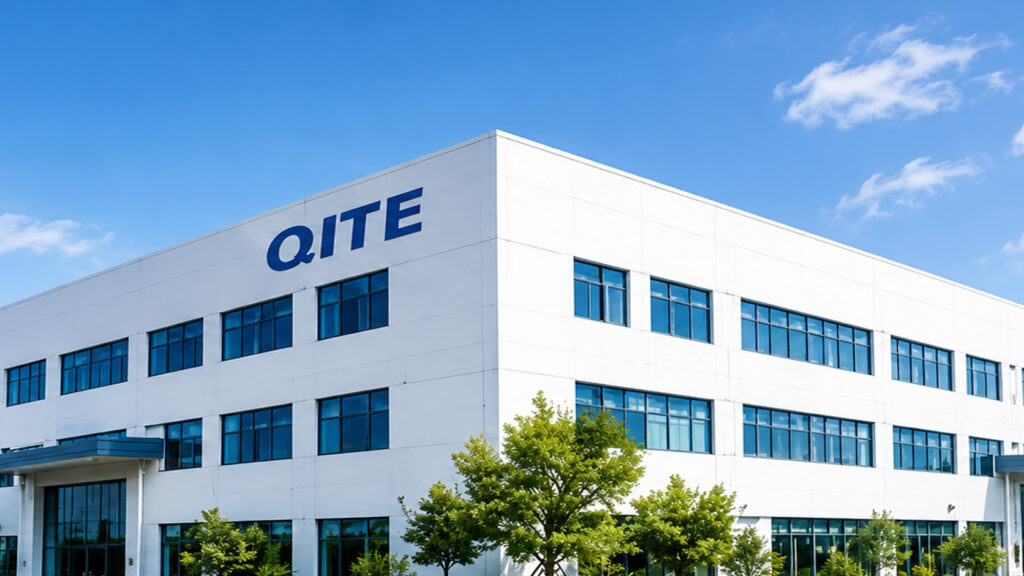
Qingdao Qite Garments Co., Ltd. supports global buyers with OEM and ODM knitwear manufacturing services. We work with fashion brands, wholesalers, importers, private label buyers, and e-commerce sellers who need custom sweater development and bulk production support.
Our product categories include women’s sweaters, men’s sweaters, kids’ sweaters, Christmas sweaters, cardigans, pullovers, vests, ponchos, and knitted accessories.
From the first inquiry to final shipment, our team helps buyers review product details, confirm yarn options, prepare samples, manage production, inspect finished goods, and arrange export packing according to order requirements.
The Custom Sweater Manufacturing Process
A clear process helps both the buyer and the factory reduce communication mistakes. For most custom sweater projects, the process includes the following steps.
Step 1: Inquiry and Design Review
The buyer sends product photos, reference images, sketches, tech packs, size charts, target quantity, material request, and delivery schedule.
The factory reviews the design structure, yarn suitability, gauge requirement, size details, and production difficulty before preparing a quotation.
Step 2: Yarn Selection and Color Confirmation
After the design is reviewed, the buyer and supplier confirm yarn composition, thickness, hand feel, color direction, and target price range.
If the buyer needs custom colors, Pantone references or physical color samples can help improve color accuracy. Yarn choice will also affect MOQ, sampling time, and bulk production cost.
Step 3: Sample Development
Sample development allows the buyer to check fit, measurement, workmanship, color, pattern, and hand feel before bulk production.
For custom sweater manufacture, sample approval is very important because it helps confirm the final product direction before the factory starts mass production.
Step 4: Bulk Sweater Production
After the sample is approved, the factory starts bulk production. This may include knitting panels, linking, stitching, washing, shaping, ironing, trimming, inspection, labeling, packing, and carton preparation.
Clear confirmation before bulk production helps reduce production delays and quality issues.
Step 5: Quality Control and Export Packing
Quality control is essential in sweater manufacturing. The inspection process should check measurements, yarn defects, loose threads, stains, holes, color consistency, label placement, packaging, and overall workmanship.
For international buyers, export packing details are also important. This may include individual polybags, size stickers, hang tags, care labels, carton marks, and other private label packaging requirements.
What Information Helps Buyers Get a Faster Quote?
To receive a faster and more accurate quotation from a sweater manufacturer, buyers should prepare the following information:
Product images, sketches, or tech packs
Size chart and size range
Yarn composition or preferred material
Gauge or sweater thickness requirement
Color references or Pantone numbers
Estimated order quantity
Target market and selling season
Label, packaging, and private label requirements
Expected delivery schedule
Shipping destination or trade terms, if available
The more complete the information is, the faster the factory can evaluate cost, sample time, MOQ, and production schedule.
Why Reliable Communication Is a Competitive Advantage
In 2026, good communication is one of the most important advantages in sweater manufacture. Buyers need suppliers who can reply clearly, explain technical issues, and provide realistic production suggestions.
A professional sweater manufacturer should not only say “yes” to every request. Instead, the supplier should help the buyer understand what is feasible, what may increase cost, what may delay production, and what needs to be confirmed before bulk order.
This type of communication can help brands reduce risk, especially when developing new styles, testing small orders, or preparing seasonal collections.
FAQ About Sweater Manufacture
What is sweater manufacture?
Sweater manufacture refers to the process of developing and producing sweaters through yarn selection, knitting, linking, washing, shaping, finishing, inspection, labeling, and packing.
How do I choose a good sweater manufacturer?
A good sweater manufacturer should have knitwear production experience, yarn knowledge, sampling ability, quality control process, clear communication, and export support for international buyers.
Can a sweater manufacturer support private label orders?
Yes. Many custom sweater manufacturers support private label production, including main labels, care labels, hang tags, packaging bags, carton marks, and brand presentation details.
What affects the cost of custom sweater manufacturing?
Cost is affected by yarn composition, gauge, knitting technique, design complexity, order quantity, color requirements, labeling, packaging, and production lead time.
Can I send only reference images?
Yes. Reference images can help the factory understand your design direction. However, size charts, material details, target price, and estimated quantity will help the factory prepare a more accurate quotation.
Work with a Sweater Manufacturer for Your Next Collection
Choosing the right sweater manufacture partner can help your brand improve product development, reduce sourcing mistakes, and build more stable knitwear collections.
Qingdao Qite Garments Co., Ltd. provides OEM and ODM sweater manufacturing support for global fashion brands, wholesalers, importers, online sellers, and private label buyers. Whether you are developing a seasonal Christmas sweater line, a women’s cardigan collection, or a full custom knitwear range, our team can support your project from inquiry to shipment.
Contact Qite Clothes today to discuss your sweater manufacturing project and request a custom quotation.