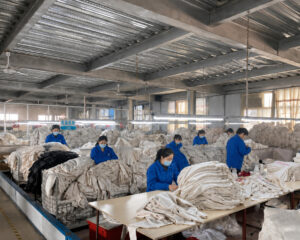
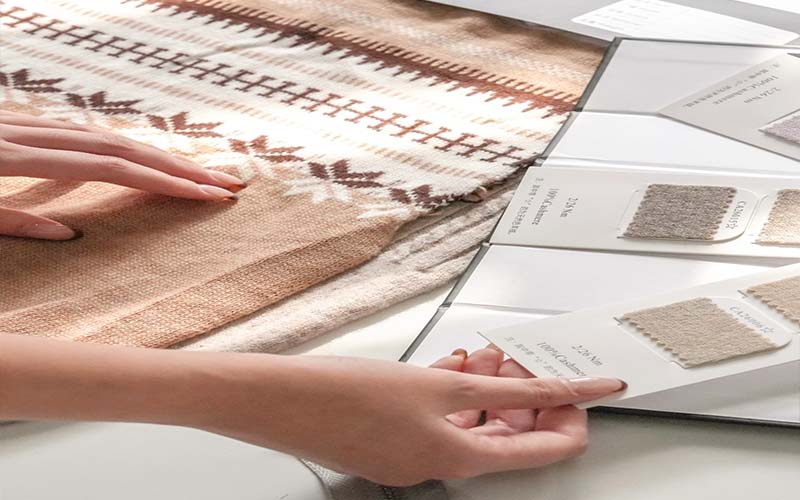
For fashion brands, Fall/Winter knitwear is not just another seasonal category. Sweaters often carry higher perceived value, stronger tactile expectations, and more technical production details than many cut-and-sew garments. A women’s sweater may look simple on a line sheet, but the final result depends on yarn selection, gauge, knitting structure, finishing, measurement control, shrinkage, color consistency, and delivery timing.
That is why choosing the right OEM sweater manufacturer matters. For brand buyers and sourcing teams, a capable knitwear partner does more than produce garments. The right factory helps turn seasonal concepts into commercially reliable products that can survive fitting reviews, bulk production, quality inspections, and retail sell-through.
Why Fall/Winter Sweater Programs Require Early Supplier Planning
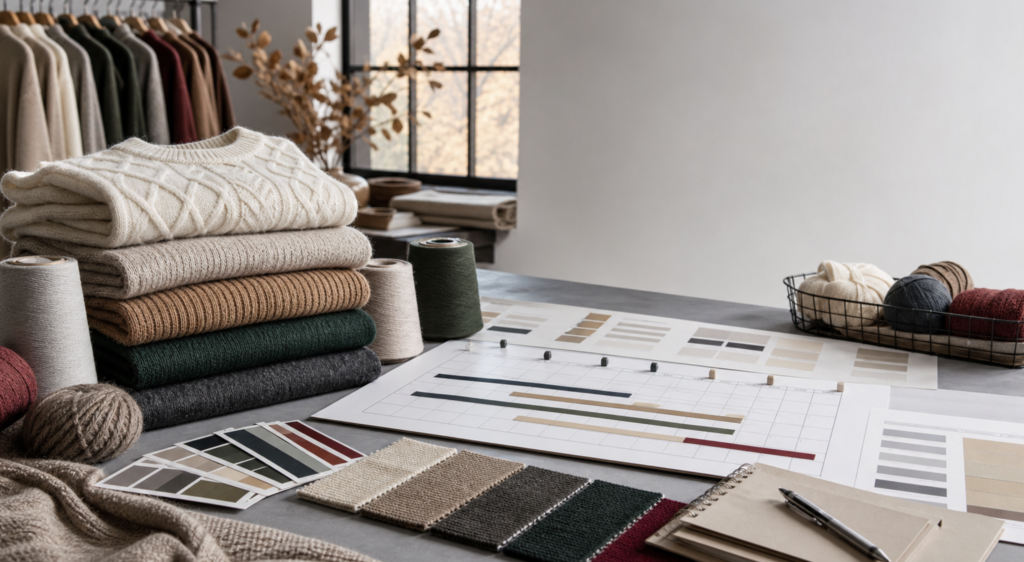
Fall/Winter collections usually involve heavier yarns, warmer handfeel, richer textures, and more complicated construction. Cable knits, rib structures, jacquards, brushed surfaces, wool blends, alpaca-like yarns, compact cotton blends, and recycled polyester blends all require different production handling.
Unlike basic T-shirts or woven tops, sweater production depends heavily on yarn availability and machine capacity. If a brand waits too long to confirm styles, the risk increases: yarn colors may be delayed, popular gauges may be fully booked, sample revisions may push back approvals, and bulk delivery may miss the selling window.
A professional women’s OEM sweater manufacturer should help buyers plan around three key timelines:
- Yarn sourcing and lab dips
- Development sampling and fitting
- Bulk knitting, linking, washing, finishing, inspection, and packing
For Fall/Winter programs, many brands begin development six to nine months before the target delivery date. More complex yarns, custom colors, or certified materials may require even longer planning.
What Brand Buyers Should Look for in an OEM Sweater Manufacturer
A strong OEM knitwear supplier should be evaluated on more than price. Low unit cost means little if the sweaters arrive with poor recovery, inconsistent measurements, weak seams, excessive pilling, or unstable color.
When reviewing a sweater manufacturer, buyers should look at:
- Experience with women’s knitwear categories such as pullovers, cardigans, sweater vests, knitted dresses, two-piece knit sets, turtlenecks, and oversized silhouettes.
- Gauge capability, including fine gauge, mid-gauge, and chunky knit production.
- Yarn development support for cotton, viscose, nylon, polyester, acrylic, wool blends, recycled yarns, and specialty fibers.
- Pattern and fit adjustment ability for different markets.
- Quality control systems for measurements, appearance, handfeel, shrinkage, colorfastness, and packaging.
- Clear communication during sampling, production, and shipment stages.
The best supplier is not always the cheapest one. For knitwear, the better question is: can this manufacturer control the product from yarn to finished garment?
Yarn Selection: The Foundation of a Successful Sweater Program
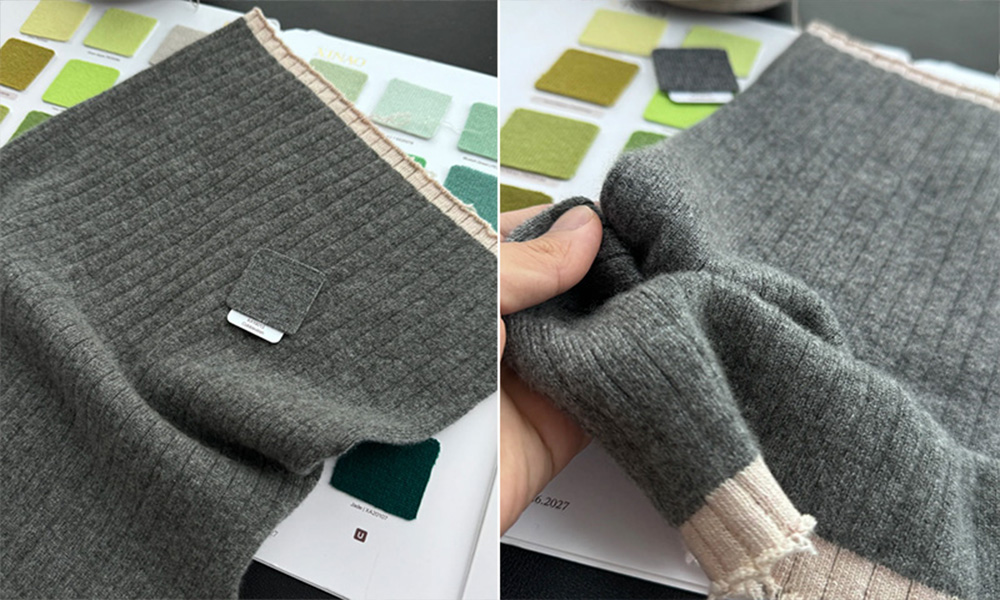
Yarn is the heart of any sweater. It determines warmth, drape, softness, weight, stretch, cost, care instructions, and long-term wear performance.
For women’s Fall/Winter sweaters, common yarn options include:
Recycled polyester or recycled cotton blends for brands building more responsible material stories..
Cotton blends for breathable, trans-seasonal sweaters.
Viscose or rayon blends for soft handfeel and elegant drape.
Acrylic blends for affordable warmth and easy color development.
Nylon blends for strength, elasticity, and shape retention.
Wool blends for premium warmth and natural texture.
Material strategy is becoming more important for global brands. Textile Exchange reported that global fiber production increased from 125 million tonnes in 2023 to 132 million tonnes in 2024, with polyester remaining the largest fiber category. The same report also notes growth in certified sources for cotton and other materials. For buyers, this means material choice is no longer only about cost and handfeel. It is also tied to traceability, compliance, brand positioning, and customer expectations.
A reliable OEM sweater manufacture partner should be able to explain yarn trade-offs clearly. For example, a soft brushed yarn may improve shelf appeal but require careful pilling control. A wool blend may raise perceived value but may also require stricter washing tests. A recycled yarn may support sustainability goals, but buyers should confirm certification, color consistency, and bulk availability before committing.
Gauge, Stitch, and Construction: Details That Affect Cost and Quality
Many sweater cost differences come from technical details that are easy to overlook during design.
Gauge refers to the number of needles per inch on the knitting machine. A lower gauge creates heavier, chunkier knits. A higher gauge creates finer, lighter sweaters. The right gauge depends on the design, yarn count, target retail price, and season.
Stitch structure also matters. Rib, jersey, cable, pointelle, jacquard, links-links, Milano, and textured stitches each create different visual and performance outcomes. Some structures consume more yarn or require slower machine time, which affects cost.
Construction quality is equally important. Buyers should check:
- Neckline stability
- Shoulder seam strength
- Armhole shape
- Sleeve and body matching
- Rib recovery at cuffs and hem
- Button placket tension on cardigans
- Side seam alignment
- Inside linking cleanliness
For oversized women’s sweaters, measurement control is especially important. A relaxed fit should look intentional, not simply oversized because of poor grading.
Sampling: Where Good Sweater Programs Are Won or Lost
Sampling is one of the most important stages in OEM sweater manufacturing. A good sample is not only a visual prototype. It is a technical test of yarn, gauge, pattern, shrinkage, finishing, and fit.
A typical sweater development process includes:
- Tech pack review
- Yarn quality and color confirmation
- First prototype sample
- Fit sample
- Salesman sample or photo sample
- Pre-production sample
- Bulk production approval
During sample review, buyers should not only check whether the sweater “looks nice.” They should evaluate weight, handfeel, stretch recovery, garment measurements, seam quality, neckline balance, washing performance, and how the piece looks after hanging.
For Fall/Winter knitwear programs, it is wise to test the garment after washing or steaming before approving bulk production. Some sweaters change significantly after finishing. A responsible OEM sweater manufacturer will help identify these risks before bulk knitting begins.
Quality Control for Women’s Knitwear
Women’s sweaters require careful quality control because fit, hand feel and finishing details directly affect retail presentation. Qite Garments reviews key quality points during sample development and bulk production, including measurements, yarn quality, stitching, linking, washing, ironing, labeling and packing.
Common quality points include:
- Measurement tolerance
- Color consistency
- Stitch density and yarn tension
- Seam strength and linking quality
- Pilling and shrinkage performance
- Labeling and carton packing accuracy
You can learn more about our quality process on our knitwear quality control page.
Compliance and Responsible Sourcing
Modern apparel sourcing increasingly requires documentation. Buyers may need material certificates, factory audit information, restricted substance compliance, care label support, and supply chain due diligence records.
The OECD’s garment and footwear due diligence guidance highlights the importance of identifying and addressing risks across apparel supply chains. For brand buyers, this means supplier selection should include transparency, not only production capability.
Depending on the target market, buyers may request support with:
- Fiber composition labels
- Care instructions
- Recycled material certificates
- Wool or animal fiber standards
- Social compliance audits
- Chemical compliance
- Packaging requirements
- Country of origin documentation
A qualified OEM sweater manufacturer should understand these requirements and provide documents in an organized way.
How to Build a Strong Fall/Winter Knitwear Program
A successful women’s sweater program usually starts with a focused collection plan. Instead of developing too many disconnected styles, buyers can build around a balanced knitwear range:
- Core pullovers in commercial colors
- Cardigans for layering
- Textured knits for visual interest
- Premium yarn styles for higher retail price points
- Lightweight transitional sweaters
- Coordinated knit sets
- Statement pieces such as jacquard or cable designs
This approach helps brands control development cost while still offering variety. It also allows the manufacturer to consolidate yarns, improve efficiency, and reduce production risk.
Why Work With Qite Garments
Qite Garments combines our own knitwear factory, experienced development team and cooperative production units to support custom sweater manufacturing for global buyers. Our production experience includes women’s sweaters, men’s sweaters, kids’ sweaters, Christmas sweaters and knit accessories.
For women’s OEM sweater projects, we help buyers manage the process from design review and sampling to production planning, quality control and export coordination. If you are preparing a new fall/winter knitwear program, our team can review your style requirements and suggest a practical development plan.
Explore our women’s knit sweater manufacturing capabilities or contact us to discuss your next custom knitwear project.
Submit a custom sweater inquiry
FAQ
What is the MOQ for women’s OEM sweaters?
MOQ can start from approximately 500 pieces per style for selected women’s sweater projects. Final MOQ depends on yarn, gauge, color quantity, style complexity and packaging requirements.
How long does sample development take?
Sample development is commonly arranged around 7 to 10 days after materials, measurements and design details are confirmed. Complex styles or special yarn requirements may require more time.
Can Qite Garments support private label women’s knitwear?
Yes. We support private label requirements such as neck labels, care labels, hang tags, polybags, carton marks and customized packing instructions.
How is bulk production timing confirmed?
Bulk production timing is confirmed after sample approval based on order quantity, yarn availability, style complexity, packaging requirements, inspection needs and factory schedule.
For a more detailed sourcing overview, buyers can also read our OEM women knitted sweater manufacturing guide, which explains materials, MOQ, sampling, quality control and private label planning for women’s knitwear projects.