Fast knitwear sample development gives apparel brands a practical way to evaluate a supplier before they commit to bulk production. For custom sweaters, a quick sample is not simply a speed promise. It reveals how well a factory can review yarn, gauge, stitch structure, measurements, communication and production feasibility.
For private-label buyers, the right question is not only “How fast can you make a sweater sample?” It is “Can you develop an accurate sample quickly enough to make better sourcing decisions?” A reliable knitwear manufacturing partner should turn a design brief into a technically reviewed sample that can move safely toward bulk sweater manufacture.
What Fast Sampling Actually Proves About a Knitwear Factory
In knitwear, the garment is created during production. Yarn composition, knitting gauge, stitch density, garment weight and finishing all change the final result. When a factory responds quickly and asks precise questions, it usually has stronger development control than a supplier that gives an instant quotation without checking the details.
- Yarn availability and suitable substitutes
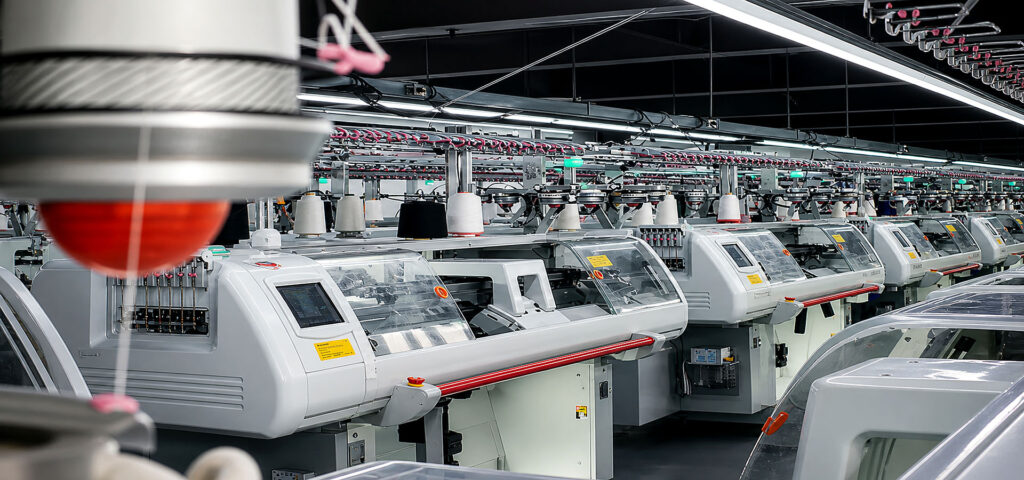
- Gauge, stitch structure and machine planning
- Pattern development and measurement tolerance
- Color, trim, label and packaging feasibility
- Sample lead time, MOQ and bulk-production timing
A Practical Knitwear Sample Development Timeline
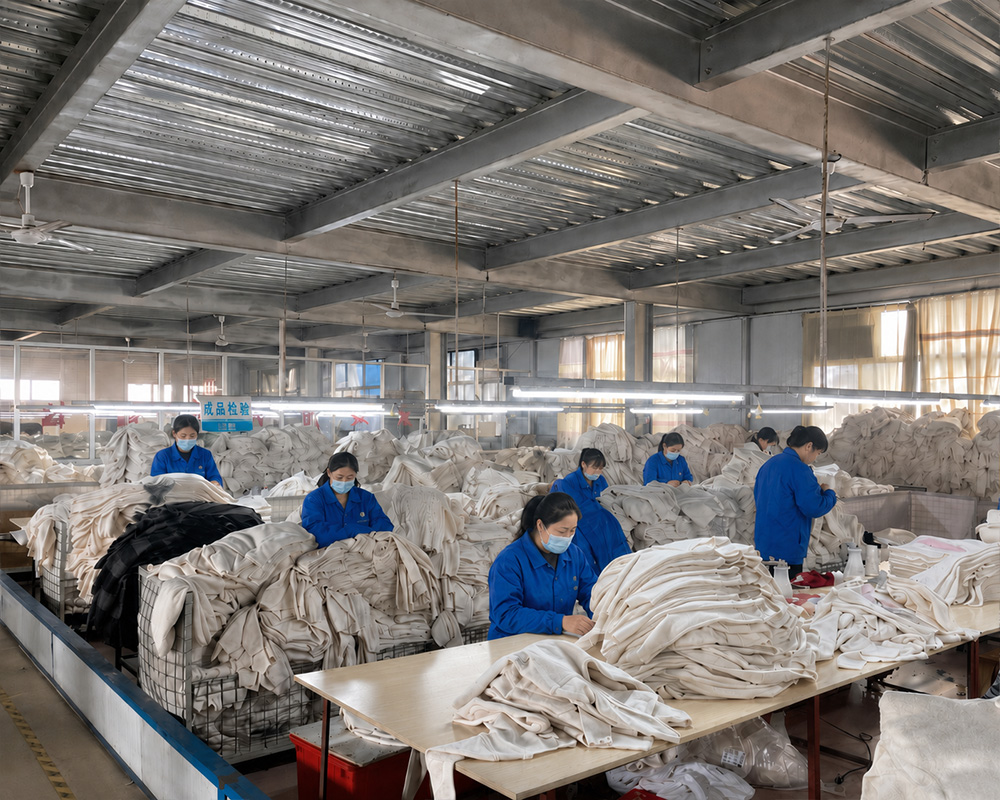
A controlled sampling process gives both buyer and factory clear decision points. The exact timing changes with yarn sourcing, complexity and approvals, but the sequence should remain visible.
- Brief review: confirm the reference, target customer, size chart, yarn direction, color, gauge and target quantity.
- Technical proposal: confirm workable yarn, construction, gauge and any cost or lead-time risks.
- Sample making: knit, link, wash and finish the first sample against the approved brief.
- Buyer review: check fit, hand feel, measurements, workmanship and visual details.
- Revision and bulk handover: record approved changes before costing, PP sampling and production planning.
For a broader view of how development becomes production, see our guide to the sample-to-bulk sweater production process. QITE GARMENTS normally plans sample development in 7–10 days after the required design, yarn, gauge, color and measurement details are confirmed.
The 7-Point Checklist for Evaluating a Sweater Sample
1. Yarn and hand feel
Confirm composition, softness, pilling risk, color and whether the yarn can be sourced consistently for bulk orders. A good factory should explain a practical alternative when the requested yarn is unavailable or unsuitable.
2. Gauge and stitch structure
Gauge affects weight, appearance, warmth and cost. Check that rib, cable, jacquard, pointelle or other stitch details match the intended product and can be reproduced consistently at scale.
3. Measurements and fit
Compare the sample with the size chart at key points such as chest, length, shoulder, sleeve and neck opening. A reliable factory records tolerances instead of treating fit comments as informal notes.
4. Workmanship and finishing
Review linking, seams, loose yarns, tension, shape retention, washing and steaming. These checks belong in sampling because they predict the control needed for bulk production. Our knitwear quality-control process explains the sample-to-packing checkpoints in more detail.
5. Cost and MOQ feasibility
A photo alone cannot establish an accurate sweater price. Sampling verifies yarn consumption, garment weight, construction complexity, trims and packaging. Use our guides to custom sweater manufacturing cost and sweater MOQ when planning an initial sourcing brief.
6. Communication quality
During sampling, look for structured updates, risk warnings and clear approval questions. Slow or vague communication at this stage usually becomes a larger problem once multiple colors, sizes and production deadlines are involved.
7. Bulk-production readiness
Ask whether the yarn is available in bulk, whether the selected gauge fits the factory’s equipment, how measurements will be controlled across sizes, and how labels and packaging will be approved. These questions distinguish a development sample from a production-ready sample.
What Buyers Should Send for Faster, More Accurate Sampling
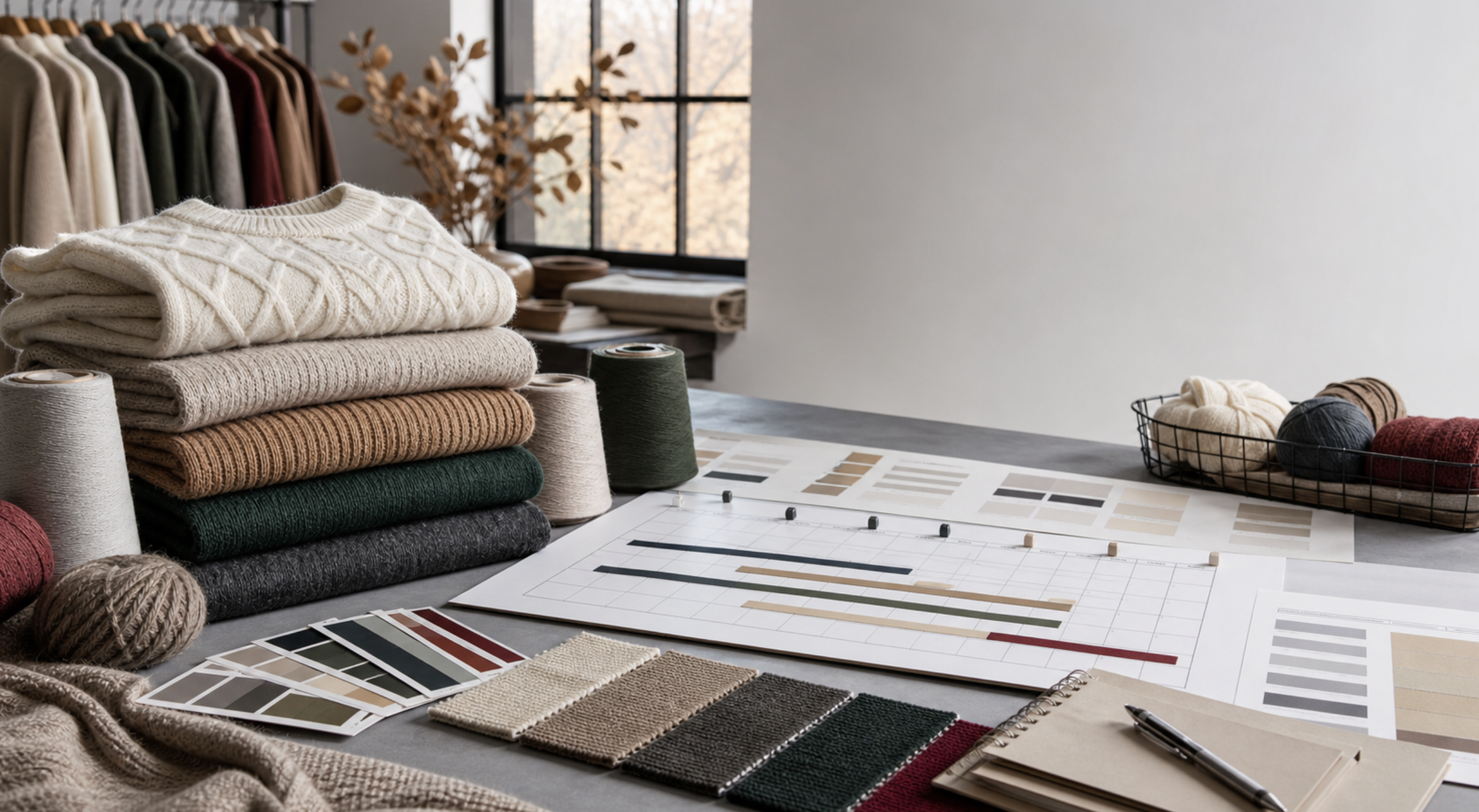
A complete tech pack is ideal, but it is not the only way to start. At minimum, send a reference photo, intended market, size chart, target yarn or hand feel, color direction, quantity, target price, labels, packaging and delivery date. For a stronger initial brief, use this knitwear tech-pack preparation guide.
Women’s Fall/Winter programs often need especially close review of weight, warmth, silhouette and yarn choice. Brands developing this type of range can also review our OEM women’s knitted sweater manufacturing guide before starting the sample brief.
Red Flags During Fast Sampling
- The supplier starts work without confirming yarn, measurements or gauge.
- The quotation is final before construction and weight are reviewed.
- The factory cannot explain MOQ, sample lead time or bulk capacity.
- The first sample changes materials or key details without approval.
- There is no documented correction process before bulk production.
Choose a Factory That Uses Sampling to Reduce Sourcing Risk
Fast sampling is valuable when it combines speed with technical review. The strongest knitwear supplier uses the sample to validate yarn, gauge, fit, workmanship, cost and production feasibility before a buyer commits to an order. That is how sample development supports reliable OEM/ODM knitwear manufacturing, not just a quick first prototype.
Planning a custom sweater program? Contact QITE GARMENTS with your design, quantity and target market. We can review yarn options, gauge, sampling, MOQ and production planning before bulk manufacture.
FAQ
How long does knitwear sample development take?
Timing depends on yarn sourcing, gauge, construction and approvals. After design references, yarn, color and measurement details are confirmed, QITE GARMENTS generally plans 7–10 days for sample development.
Does fast sampling mean lower quality?
No. A reliable fast sample includes technical review, correct material selection, measurement checks and workmanship control. Speed without those checks is a sourcing risk.
What is the most important information to send a sweater factory?
Start with a reference image or tech pack, size chart, yarn or hand-feel direction, color, quantity, target price, label and packaging requirements, and your required delivery date.