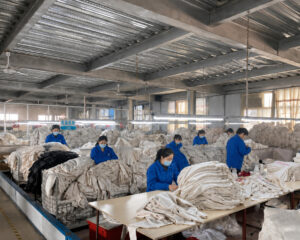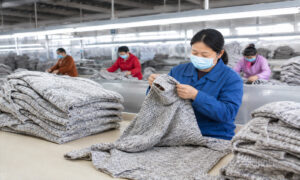
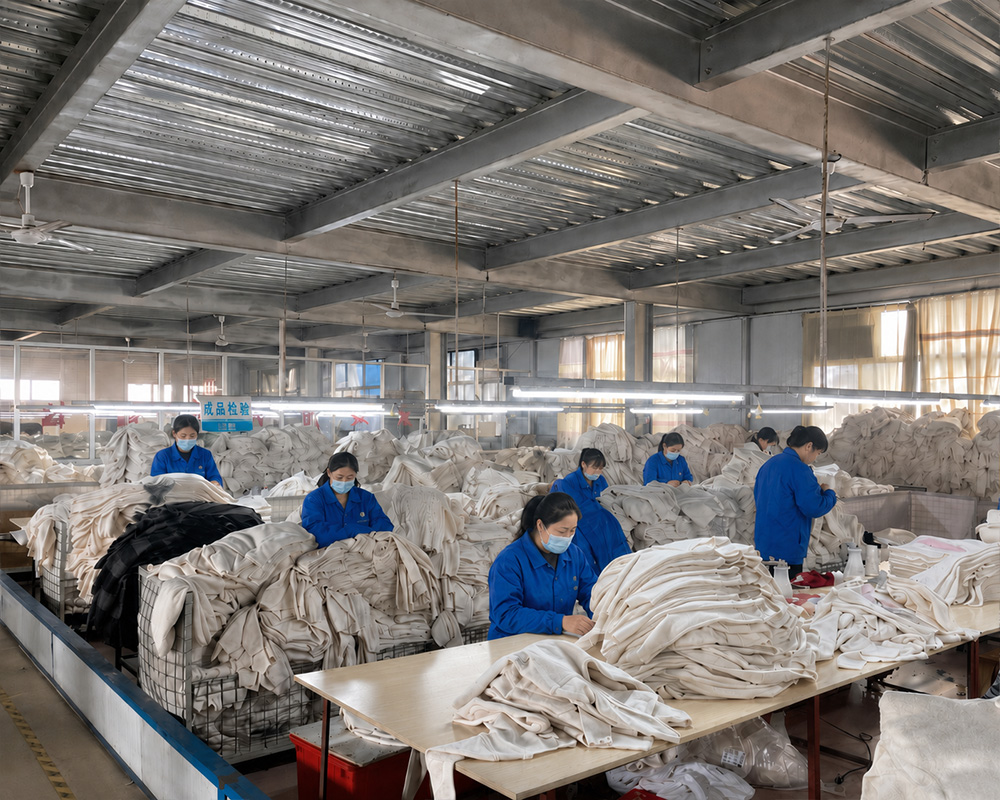
For fashion brands and private-label buyers, women’s knitwear product categories are more than merchandising labels. A lightweight rib top, a winter pullover, a button cardigan and a sleeveless vest may all be made by the same knitwear factory, but each needs different yarn, gauge, fit, finishing and sampling controls.
Defining the product category before OEM development helps a buyer communicate the intended product clearly. It also gives the factory the information needed to propose a viable construction, estimate cost more accurately and make the first sample more useful.
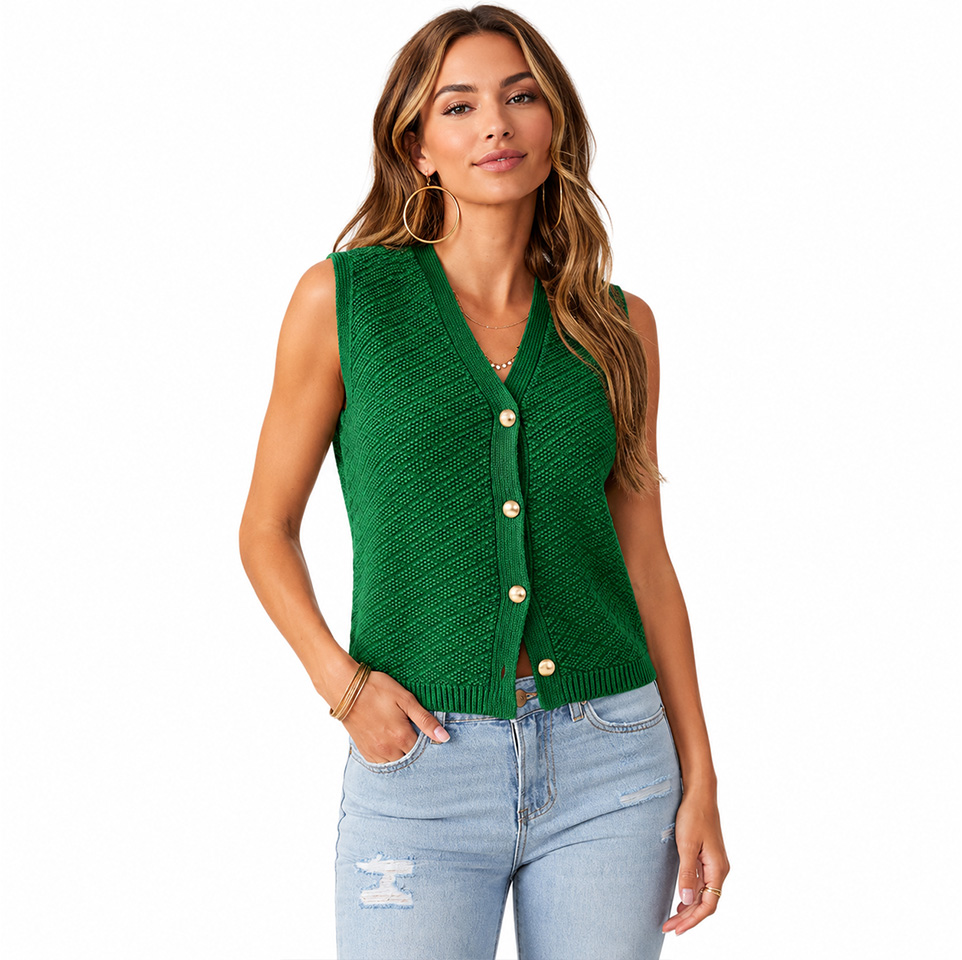
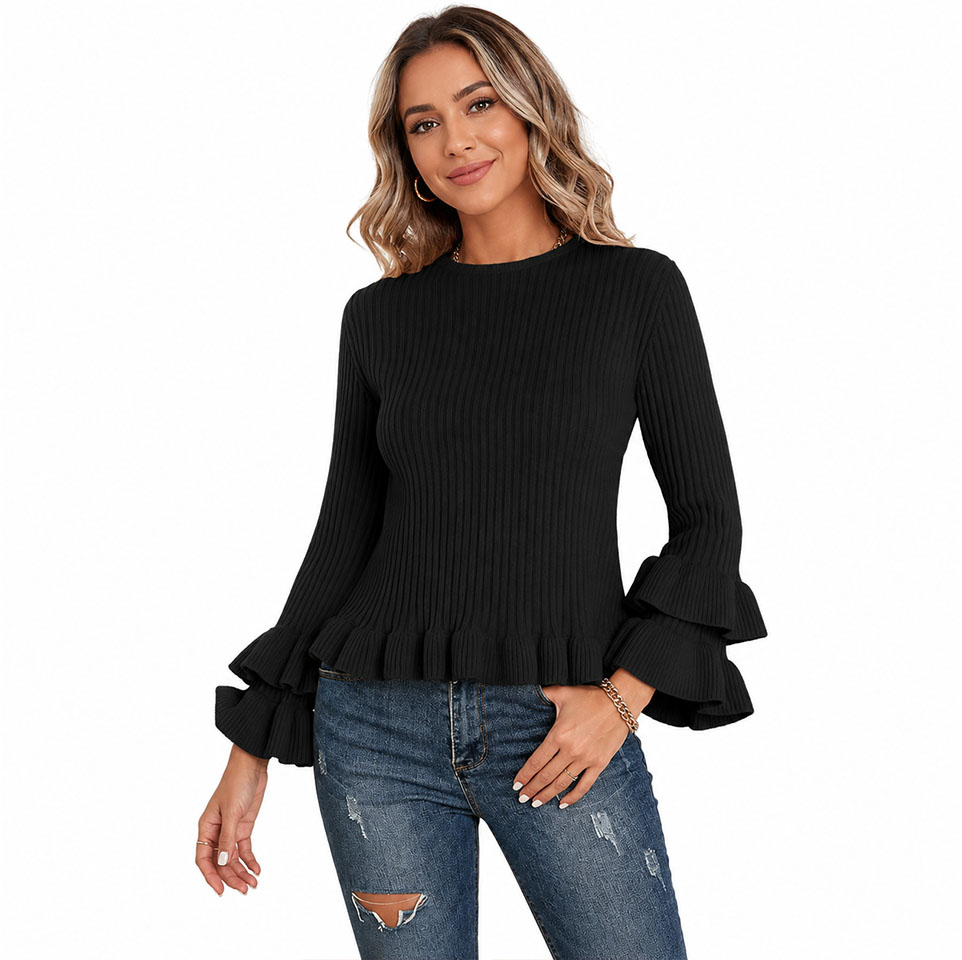
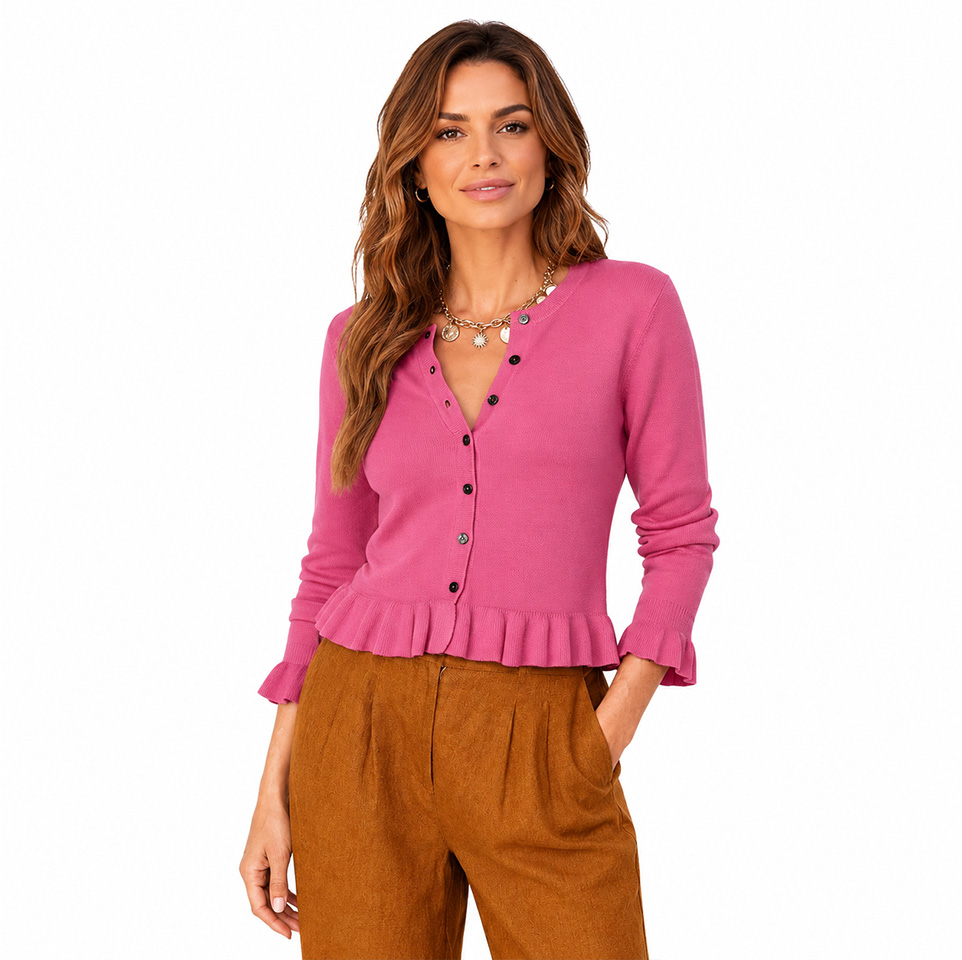
Why product classification matters in OEM knitwear development
Knitted garments are built from yarn through knitting, linking, washing and finishing. That means a product category affects the technical route from the very beginning. A clear category helps the manufacturer review the points below before sampling:
- Fiber and yarn direction, hand feel and target garment weight
- Machine gauge, stitch structure and density
- Fit, measurements and ease
- Neckline, armhole, placket, cuff and hem finishing
- Trims, labels, packing, target quantity and lead-time planning
For example, a fitted rib top needs stretch recovery and neckline control; a cardigan needs stable front panels and buttonholes; a vest needs an armhole designed for its intended layering use. Starting with the right category prevents a reference photo from being interpreted as the wrong kind of garment.
1. Women’s knit tops
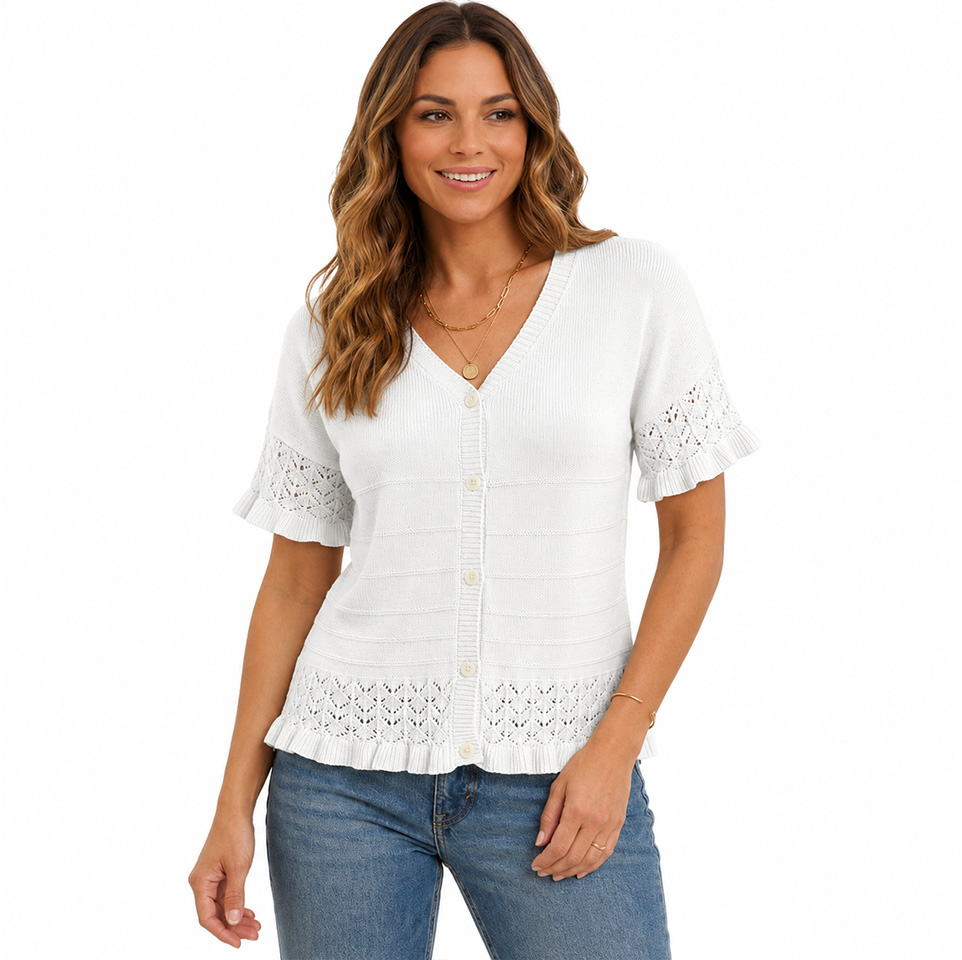
Women’s knit tops are typically lighter-weight styles for spring, summer, transitional collections or close-to-body layering. The category can include sleeveless tanks, short-sleeve tops, fitted ribs, fine-gauge pieces, pointelle and crochet-look constructions.
- Rib knit tops and fitted styles
- Sleeveless knit tanks and camisoles
- Lightweight short-sleeve tops
- Fine-gauge layering tops
- Pointelle, openwork and crochet-look tops
The development brief should state the intended hand feel, coverage or transparency, fit, neckline and armhole finish. For rib styles, stretch and recovery should be checked after wear and finishing. For openwork styles, define pattern placement and the intended level of coverage. See our women’s knitwear manufacturing page for the broader product range QITE GARMENTS supports.
2. Women’s pullovers
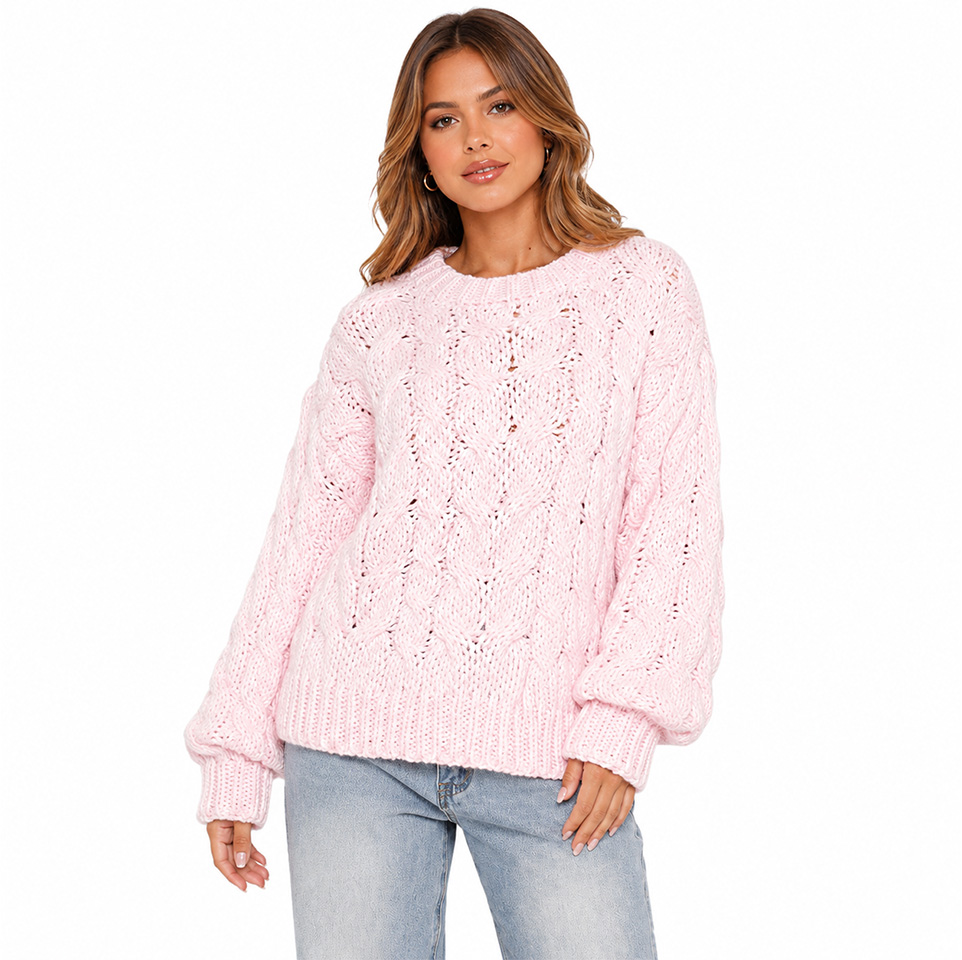
Pullovers are core sweater products with no full front opening. They range from lightweight layering pieces to heavy winter styles, and may use crew, V-neck, turtleneck or mock-neck shapes.
- Fine-gauge and mid-gauge everyday pullovers
- Oversized or dropped-shoulder sweaters
- Cropped and fitted pullovers
- Cable, textured, jacquard or intarsia styles
- Turtleneck and mock-neck winter sweaters
For pullover development, the key controls are yarn weight, gauge, stitch structure and body proportion. A chunky yarn can create warmth and texture but may need extra shoulder and hanging-stability review. A fine-gauge construction should be checked for smoothness, coverage and stable after-finish measurements.
Buyers should provide body length, chest width, shoulder width, sleeve length, neckline specification, hem/cuff direction and target garment weight. Cost will vary with yarn, gauge, stitch complexity, quantity and finishing; our sweater manufacturing cost guide explains these cost inputs in more detail.
3. Women’s cardigans
Cardigans need extra construction attention because the front opening changes how the garment hangs and wears. The placket, buttons or zipper, buttonholes and front-body balance should be developed as part of the garment—not added as an afterthought.
- Button-front and open-front cardigans
- Cropped and longline silhouettes
- Fine-gauge layering cardigans
- Ribbed and chunky winter cardigans
- Zip-front knit cardigans
Confirm placket width, button size and spacing, buttonhole tension, neckline shape, pocket position and hem recovery before the sample is approved. A front placket that is too loose can wave or stretch; one that is too tight can pull the garment out of balance.
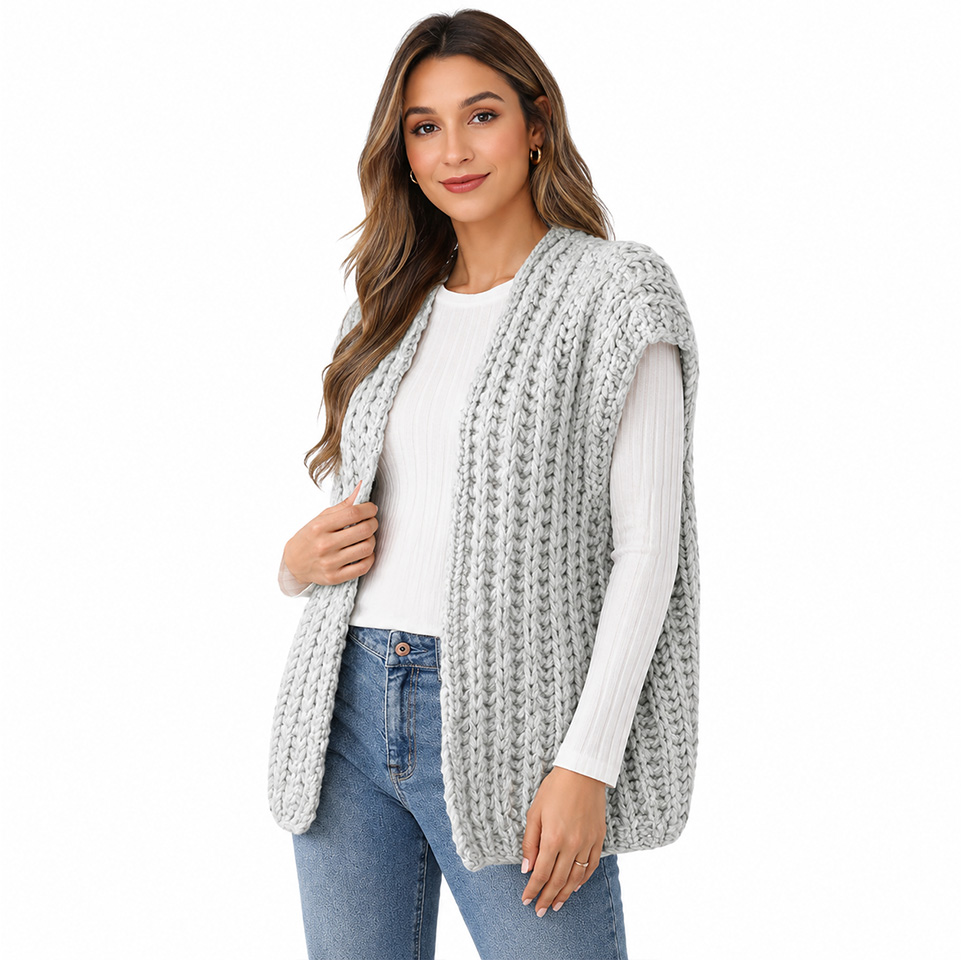
4. Women’s knit vests
Women’s knit vests are versatile layering products used in casual, preppy, schoolwear and seasonal collections. Although they look simple, armhole shape, shoulder width and the amount of body ease strongly affect the fit.
- V-neck and crew-neck sweater vests
- Oversized or cropped vests
- Cable and jacquard vests
- School-style and layering vests
- Sleeveless cardigan constructions
State whether the vest is designed to be worn alone or layered over a shirt, blouse or T-shirt. That choice changes armhole depth, shoulder proportion, chest ease and body length. A clear layering intention helps the factory build the correct fit into the sample.
Classify knitwear by season and gauge
Product type is only the first level of classification. Season and gauge help a buyer specify the intended warmth, weight and look.
- Spring/summer: lightweight, breathable styles such as rib tops, tanks, crochet-look tops and fine-gauge cardigans.
- Transitional: layering pullovers, cardigans, sweater vests and knit sets.
- Fall/winter: heavier pullovers, wool-blend styles, cable cardigans, turtlenecks and jacquards.
- Fine gauge: often used for lighter, smoother and more fitted products.
- Mid gauge: useful for many commercial sweaters and cardigans.
- Chunky gauge: suited to heavier winter products and visible texture.
The same silhouette can look and wear very differently in another gauge. Confirm the yarn, machine gauge and stitch density with a swatch or complete sample before a final production decision is made.
What to send the OEM knitwear factory
Before development, organize the information that defines the category and intended garment. A practical first package includes:
- Product category and front/back reference images or a tech pack
- Target season, fiber direction, hand feel and color references
- Gauge or texture direction where known
- Size chart, fit comments, garment weight and key measurements
- Artwork, pattern layout, labels, packing and target quantity
- Target market, testing expectations and desired delivery window
If you are still preparing the specification, use our guide to prepare a knitwear tech pack. It helps turn a visual reference into a development brief the factory can act on.
Common category-definition mistakes
- Calling every knitted garment a “sweater” without defining the intended category
- Sending only a photo without fit, yarn or size direction
- Choosing gauge solely by appearance rather than yarn and required hand feel
- Ignoring stretch recovery on fitted rib styles
- Ignoring front-placket stability on cardigans
- Forgetting layering allowance and armhole shape on vests
- Comparing cost before garment weight and construction are confirmed
Good classification does not limit creativity. It gives the factory the technical context required to develop a creative design into a consistent, repeatable knitwear product.
From category definition to bulk production
After the product category and brief are clear, the sample stage confirms the yarn, gauge, fit and construction. Before bulk production, convert approved comments into a final measurement chart, yarn/color approval, trim and packing instructions, and inspection checkpoints. Our knitwear quality-control process outlines the key production checks, while our OEM/ODM knitwear service explains the wider development route.
Women’s knitwear category FAQ
What are the main women’s knitwear product categories?
The main categories include knit tops, pullovers, cardigans, vests, dresses, knit sets and accessories. Each category should be specified further by season, yarn direction, gauge, fit and construction.
What is the difference between a knit top and a pullover?
A knit top is usually lighter and often designed for close-to-body or warm-weather wear. A pullover generally has a more sweater-like construction and can range from fine-gauge layering pieces to heavier winter products.
Can one OEM knitwear manufacturer make all these categories?
A capable knitwear manufacturer can support multiple categories when the required yarn sourcing, machine gauge, sampling skills and quality controls are suitable for the product. The buyer should share the intended design and target details early for a feasibility review.
Developing a women’s knitwear collection? Contact QITE GARMENTS with your product references, target quantities and development requirements.