Custom sweaters with logo are not a single product type. A logo may be knitted into the fabric, added by embroidery, built as a large intarsia motif or completed through patches and private-label trims. The right method depends on the artwork, yarn, gauge, garment style, quantity and intended price position.
This guide explains how brands, wholesalers, importers, schools and corporate buyers can compare logo techniques before requesting samples. If you need a broader overview of available silhouettes and materials, start with QITE’s custom sweaters for brands and bulk orders page.
Which Logo Method Is Best for a Custom Sweater?
There is no universally “best” decoration process. The strongest result is the method that keeps the artwork recognizable while working with the sweater’s knit structure. A small corporate mark, an all-over retail pattern and a large mascot graphic require different solutions.
| Logo method | Best suited to | Main approval points |
|---|---|---|
| Jacquard | Repeat logos, geometric patterns and multi-color knitted artwork | Color contrast, float control, reverse-side finish and motif repeat |
| Intarsia | Large, localized front or back graphics | Motif dimensions, yarn transitions, placement and edge definition |
| Embroidery | Small chest marks, lettering and detailed accents | Stitch count, thread color, backing, puckering and hand feel |
| Patch or appliqué | Badges, dimensional marks and mixed-material branding | Attachment, edge finish, wash durability and bulk |
| Woven label or badge | Uniform programs and subtle external branding | Label resolution, size, placement and attachment method |
| Private-label trims | Retail collections sold under the buyer’s brand | Neck label, size label, care label, hangtag and packaging files |
Quick decision rule: use jacquard when the branding is part of a repeated knitted pattern, intarsia for a large isolated motif, and embroidery for a compact detailed mark added after knitting.
Jacquard Logos for Pattern-Led Custom Knit Sweaters
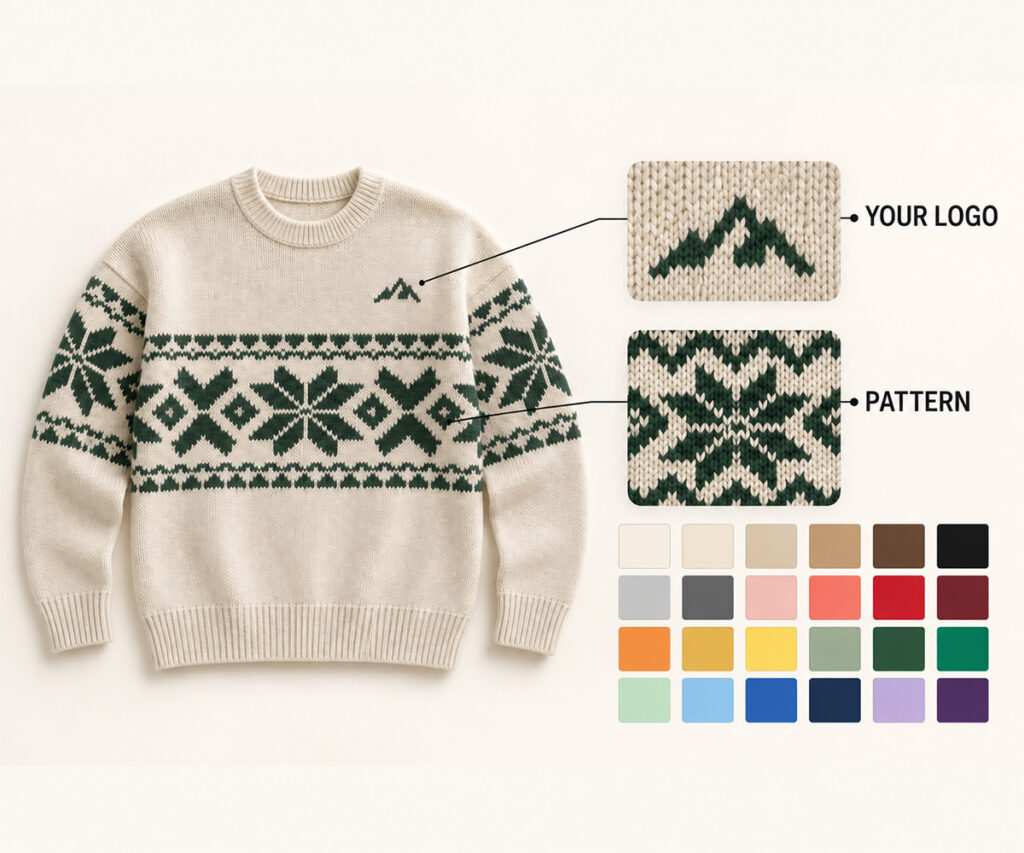
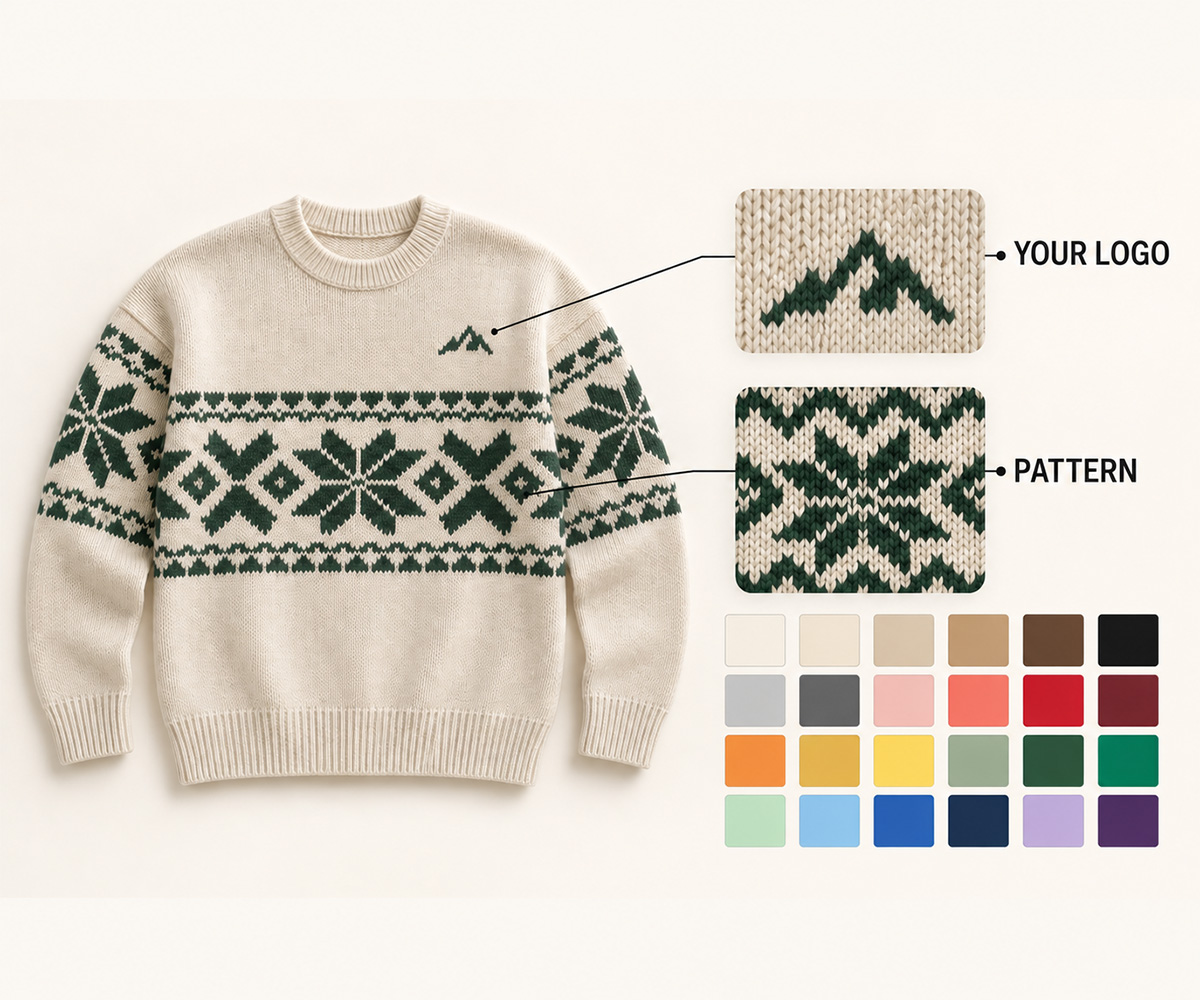
Jacquard uses two or more yarn colors to build artwork during knitting. It is well suited to custom knit sweaters with repeated symbols, bands, geometric graphics or artwork extending across the body and sleeves. Because the motif is part of the fabric, the finish feels more integrated than a surface print.

However, the back of the fabric may contain floats, and complex artwork can affect stretch, weight and hand feel. Buyers should specify the maximum number of colors per row, the repeat dimensions and whether the reverse side will be visible. Fine details that look sharp on screen may need to be enlarged or simplified for the selected gauge.
Intarsia for Large Custom Sweater Designs
Intarsia forms separate color areas with individual yarn sections. It is commonly used for a large logo, character, letter or central graphic on a custom pullover sweater. Compared with an all-over jacquard construction, it can reduce long floats behind a large localized motif.

The artwork still has to follow a knit grid. Curves, thin lines and very small text may require adjustment. The tech pack should state the finished motif width and height, its distance from key reference points and the approved yarn-color codes. This prevents a logo from shifting when sizes are graded.
Custom Embroidered Sweaters for Detailed Logos
Custom embroidered sweaters are often chosen for compact chest logos, initials and corporate identity programs. Embroidery can reproduce smaller lettering more clearly than a chunky knitted motif, and thread offers a different visual texture from yarn.
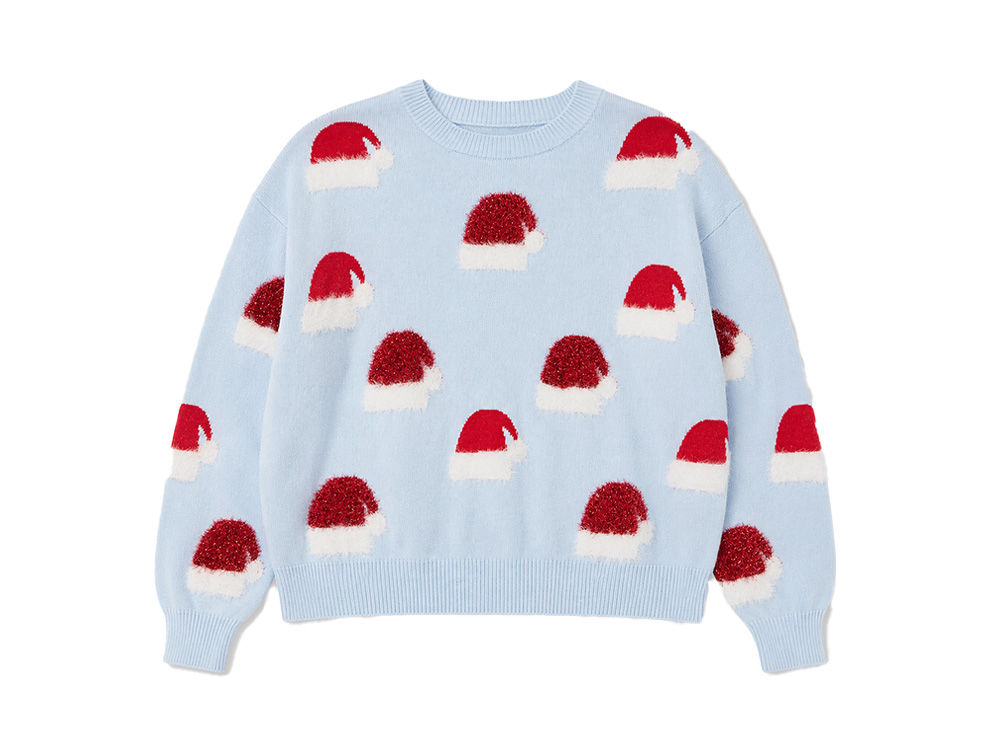
The knit base must be stable enough to support the stitching. Heavy embroidery on a lightweight sweater can distort the panel, reduce stretch or create an uncomfortable reverse side. Sampling should therefore confirm backing, stitch density, thread type and puckering after care testing. For a custom cardigan or quarter-zip style, the position must also account for plackets, seams, pockets and zippers.
Logo Clarity Depends on Yarn, Gauge and Garment Construction
The same artwork does not look identical on every sweater. Fine-gauge yarns can support smaller knitted details, while chunky structures produce bolder, more pixelated motifs. Hairy fibers such as brushed yarns or mohair blends can soften edges. Low-contrast colors may merge visually even when the yarn swatches look different.
- Gauge: determines the practical resolution of a knitted logo.
- Yarn texture: affects edge clarity and the visibility of small text.
- Color contrast: improves recognition from a normal viewing distance.
- Logo size: must suit both the artwork and the garment size range.
- Placement: should avoid seams, armholes, pocket openings and plackets unless intentionally designed around them.
- Stretch: can change logo proportions when the sweater is worn.
A reliable knitwear manufacturer in China should review artwork feasibility before sampling, but the buyer remains responsible for approving the visual result and brand specifications.
Corporate Logo Sweaters vs Private Label Knitwear
Corporate logo sweaters usually prioritize consistent identity, repeat ordering and a controlled placement across a limited style range. Private label knitwear is broader: the buyer may develop the silhouette, yarn, colors, labels, packaging and retail presentation as one collection.
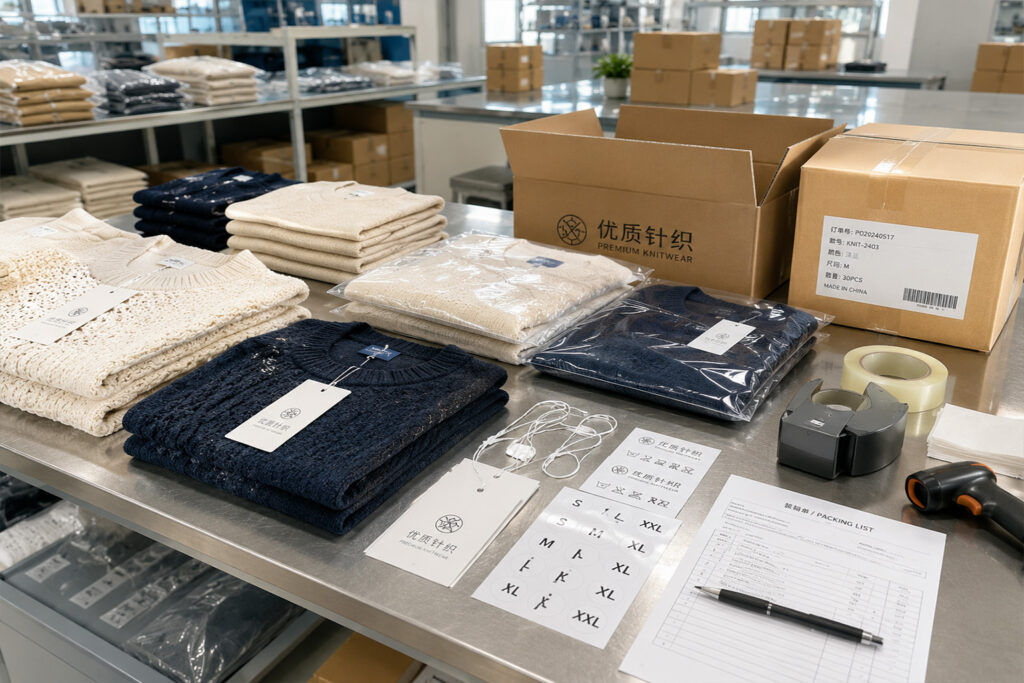
For private-label custom made sweaters, the specification should cover both visible and internal branding. Confirm the main label material, size label format, care-label wording, country-of-origin information, hangtag attachment and packing method. Label claims and care information must match the destination market; US buyers can consult the FTC apparel labeling resources and obtain appropriate compliance advice.
Artwork and Tech Pack Checklist
A verbal instruction such as “put the logo on the left chest” is not enough for repeatable production. Before the first sample, provide:
- Vector artwork where available, plus a clear reference image.
- Pantone references, yarn standards or approved physical color swatches.
- Finished logo dimensions rather than only a percentage scale.
- Placement measurements from stable garment reference points.
- The requested technique: jacquard, intarsia, embroidery, patch or a combination.
- Garment style, yarn composition, gauge, knit structure and target weight.
- Size range and instructions for keeping or grading the logo across sizes.
- Label, hangtag, barcode and individual packaging requirements.
- Care and performance expectations relevant to the product and market.
Brands that need support converting ideas into production details can review QITE’s OEM and private-label sweater services and the wider knitwear manufacturing process.
What to Approve on the Logo Sweater Sample
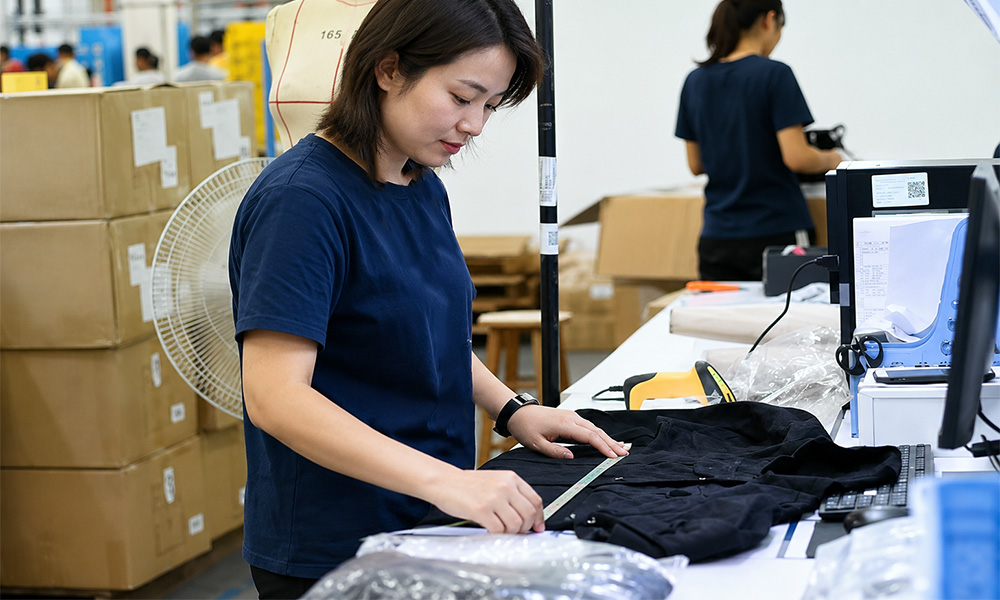
A physical sample is the point where artwork, material and construction meet. Review the sweater under consistent lighting and compare it with the approved artwork and measurement chart. Approval should cover:
- logo width, height and exact placement;
- yarn or thread colors and contrast;
- legibility of lettering and small graphic details;
- reverse-side finish, backing and wearer comfort;
- fabric distortion, puckering or unwanted stiffness;
- overall measurements, fit and size grading;
- label wording, position and attachment;
- appearance after the agreed care or performance test.
Do not approve only from a cropped photograph. Request front, back and detail images when the sample cannot be reviewed in person, and keep a sealed approval sample or a fully documented approval record for bulk comparison.
MOQ and Cost Factors for Wholesale Custom Sweaters
MOQ and price cannot be calculated from the logo alone. Wholesale custom sweaters are influenced by yarn availability, color count, gauge, garment construction, size breakdown, decoration setup, label quantities, testing and packing. Embroidery is often priced partly by stitch count, while knitted artwork can add programming and yarn-management complexity.
A practical quotation request should include the total order quantity and the breakdown by color, style and size. Dividing a small total order across many designs can increase development and setup costs. Buyers should ask whether MOQ applies per style, per color or to the total program, and whether label suppliers have separate minimums.
Bulk Quality Control for Custom Sweaters With Logo
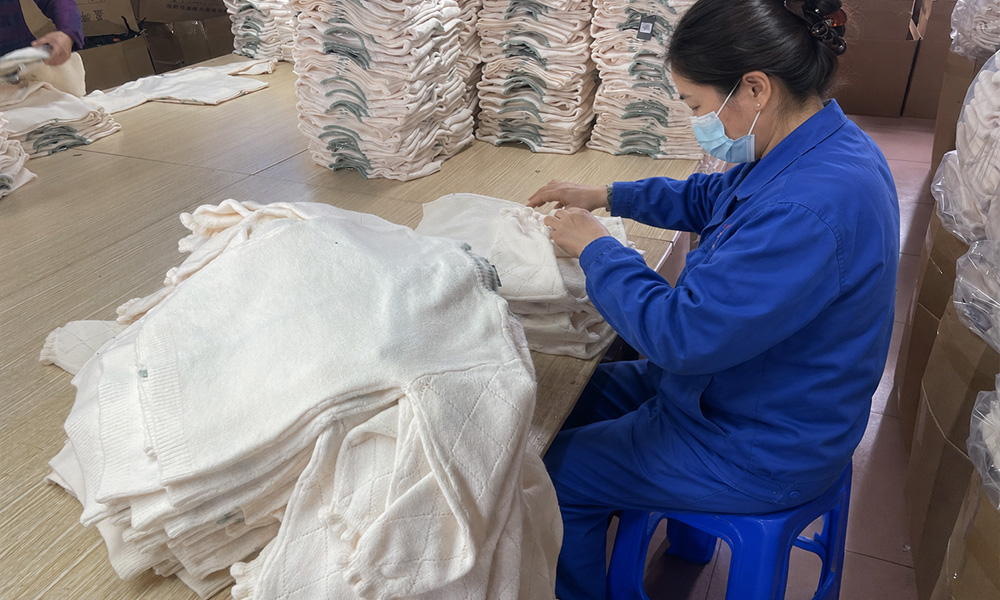
Bulk inspection should compare production against the approved sample, specification and artwork. In addition to ordinary sweater workmanship, inspectors should check logo position, dimensions, color consistency, loose embroidery threads, missed stitches, damaged appliqués and distorted knitted motifs.
The test plan should reflect the yarn, decoration and intended market. QITE’s knitwear quality-control page explains the broader checks used for measurements, seams, appearance, packing and production records.
Common Logo Development Mistakes
- Using retail mock-ups as technical files: attractive visuals may not include dimensions, color standards or construction details.
- Keeping text too small: fine lettering may not translate into the selected knit gauge.
- Approving only one size: placement and proportion can change across the size range.
- Ignoring the reverse side: floats, backing and thread ends can affect comfort and durability.
- Changing artwork after sample approval: even a small revision may require new programming or a revised sample.
- Leaving packaging until the end: custom labels and printed materials can have their own lead times and MOQs.
FAQ About Custom Logo Sweaters
Can a sweater use both jacquard and embroidery?
Yes. A garment can combine a knitted background pattern with an embroidered chest mark or other applied detail. The sample must confirm weight, stretch, balance and care performance because every added technique affects the finished garment.
Which method works best for small lettering?
Embroidery or a woven badge often gives more control over compact lettering than a coarse knitted motif. The best option still depends on letter height, font, knit base and required hand feel.
Can I order custom crewneck sweaters, cardigans or jumpers with the same logo?
Potentially, but placement should be reviewed for each silhouette. Custom crewneck sweaters provide an uninterrupted front panel, while a custom cardigan has a placket and buttons or zipper that may require a different position. Custom jumpers developed for the UK market use the same technical principles.
Do I need a new sample for every color?
Not always, but every color combination should be approved through an agreed method. Low-contrast combinations, new yarns and embroidery-thread changes may justify additional physical confirmation rather than relying only on a digital colorway.
Develop Custom Sweaters With Logo With QITE
QITE’s core business is sweater and knitwear development for brands, wholesalers and importers. Projects are reviewed according to artwork, yarn, gauge, construction, quantity and available production resources. Options may include jacquard, intarsia, embroidery and private-label trims, subject to sample feasibility and project confirmation.
For a useful first review, send your logo file, reference style, target material, quantity, size range, destination market and expected delivery window. Contact QITE GARMENTS to discuss your custom sweater design and sampling requirements.