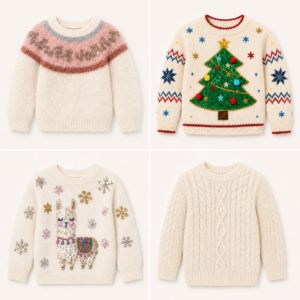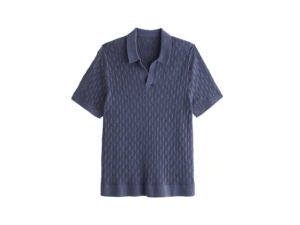

For startup brands, independent designers, retailers and new private-label programs, working with small batch clothing manufacturers can make it possible to test a product before committing to a large inventory order.
However, “small batch” does not mean every product can be produced at any quantity or at the same unit cost. Fabric or yarn minimums, colour count, trims, construction complexity and production scheduling all influence what a factory can realistically offer.
The right custom apparel manufacturer should help buyers understand the trade-off between order quantity, development cost, quality control and future scaling potential.
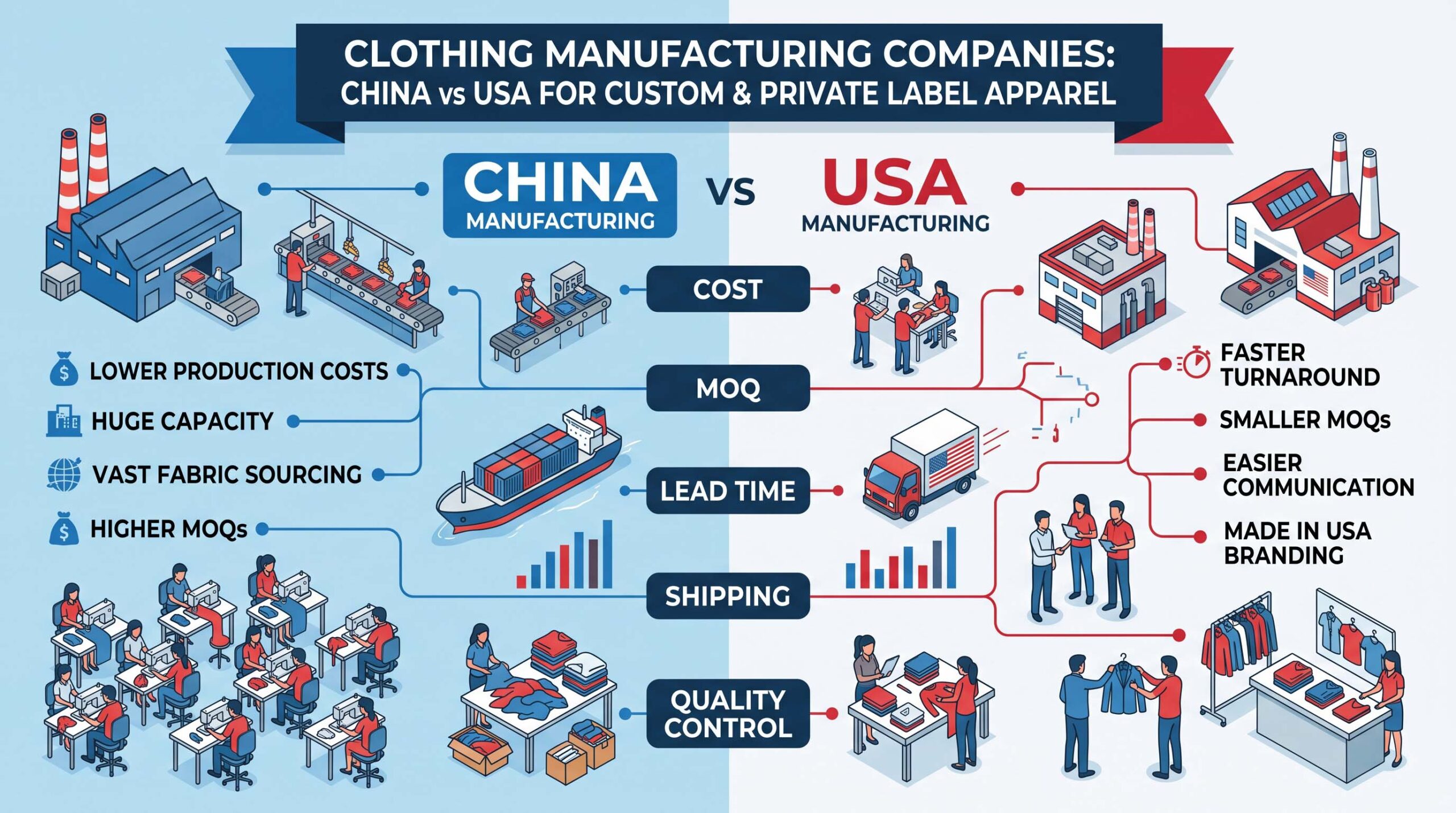
1. What Does Small Batch Clothing Manufacturing Mean?
Small-batch production generally refers to producing a lower quantity than a standard bulk order. The actual number varies by product category, material availability, construction method and factory capacity.
For example, a basic jersey T-shirt may have different material and production requirements from a jacquard sweater, tailored blazer or custom outerwear style.
A custom clothing factory may consider the following when reviewing a small order:
- Quantity per style
- Quantity per colour
- Size range and size ratio
- Fabric or yarn supplier minimums
- Print, embroidery or artwork requirements
- Custom trim minimums
- Label and packaging requirements
- Sampling and pattern-development workload
- Available production window
The practical question is not only, “What is your MOQ?” A buyer should ask: “What MOQ is workable for this style, in these colours, with these materials and packing requirements?”
Which Apparel Categories Can Be Reviewed for a Smaller Run?
Custom T-shirts, hoodies, polo shirts, woven shirts, dresses, skirts and casual bottoms all have different fabric, trim and construction requirements. Yoga and activewear projects also need a clear stretch, recovery and seam-performance brief; lightweight jackets and selected childrenswear require their own trim and testing review. Custom sweaters depend on yarn availability, gauge, knitting setup and finishing. Confirm each category separately rather than assuming one MOQ applies to the whole collection.
2. Why MOQ Changes From One Product to Another
MOQ is often influenced by material and production setup rather than only the factory’s willingness to accept an order.
| MOQ Factor | Why It Can Affect the Order |
|---|---|
| Fabric or yarn | Suppliers may have minimum purchase quantities by colour or composition |
| Colour count | More colours can create higher material and production requirements |
| Construction | Complex garments need more development and labour time |
| Print or embroidery | Artwork setup and minimum production quantities may apply |
| Labels and packaging | Woven labels, hangtags, boxes and custom bags often have separate minimums |
| Size range | Broad grading can affect planning and cutting or knitting allocation |
| Factory schedule | Production capacity may be reserved for larger or repeat programs |
This is why custom clothing manufacturers may quote different MOQs for two styles that appear similar at first glance.
A basic garment with stock materials may be easier to develop in a smaller run. A style requiring custom-dyed yarn, branded buttons, multiple embroidery locations and retail gift boxes may need a higher quantity to make the program commercially workable.
Prepare a Tech Pack Before Comparing Quotations
Send a technical drawing or clear reference image, fabric or yarn specification, measurements, grading, colour references, artwork, trim details, labels and packaging instructions. Include target quantities by style, colour and size, plus the required delivery window. Ask each supplier to identify what its price includes, which details remain provisional and whether material or trim minimums add extra cost. Comparable briefs make quotations more useful than comparing headline unit prices alone.
3. Sampling Comes Before Small-Batch Production
For a new product, sampling is where the buyer checks whether the factory can convert an idea into a production-ready garment.
A sample can help confirm:
- Overall fit and silhouette
- Fabric or yarn hand feel
- Colour and trim direction
- Measurements and tolerances
- Print, embroidery or logo placement
- Construction and workmanship
- Label placement
- Wash result, where required
- Packaging direction
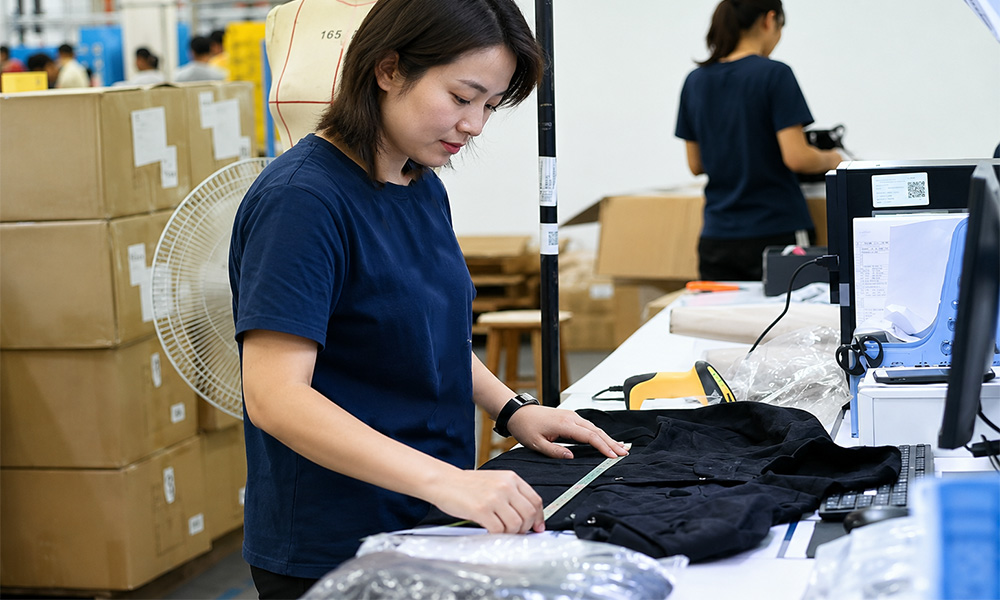
A professional garment manufacturer should record sample comments clearly. A buyer should not rely only on informal messages or marked-up photos when approving production.
| Sample Stage | Main Purpose |
|---|---|
| Development sample | Tests the initial design direction and production feasibility |
| Fit sample | Reviews measurements, proportions and garment balance |
| Revised sample | Confirms corrections after buyer feedback |
| Size set | Checks grading across the selected size range |
| Pre-production sample | Becomes the final production reference before bulk manufacturing |
For OEM apparel projects, the approved sample, final tech pack and written comments should form one consistent production standard.
4. Why Small-Batch Unit Prices Are Often Higher
A lower order quantity can reduce inventory risk, but it may increase the unit cost. This is not always a pricing problem. It is often the result of development and setup costs being spread across fewer garments.
Common cost factors include:
- Fabric or yarn consumption
- Garment weight
- Pattern development
- Cutting or knitting setup
- Sewing, linking or finishing time
- Print or embroidery setup
- Custom trims
- Labels and packaging
- Quality-control requirements
- Labour allocation for a short production run
| Cost Area | Effect on Small Orders |
|---|---|
| Materials | May require buying a supplier minimum even when the order is small |
| Development | Pattern, sampling and corrections are spread over fewer units |
| Production time | Small runs still require machine setup and operator time |
| Branding | Custom labels, hangtags and packaging may carry separate minimums |
| Freight | Smaller shipments may have a higher freight cost per unit |
A reliable OEM clothing manufacturer should explain the assumptions behind its quotation. Buyers can then decide whether to simplify the design, reduce colour options, use available materials or increase quantity.
5. How to Make a Small Batch More Cost-Efficient
Small-batch orders work best when buyers focus on the details that matter most to the customer and simplify the parts that add avoidable complexity.
Consider these approaches:
- Begin with one or two core colours instead of a large colour range
- Use an existing fabric, yarn or trim option where suitable
- Keep the first production run to one clear fit direction
- Avoid unnecessary logo placements or highly complex artwork
- Confirm labels and packaging before ordering
- Build the size ratio around expected sales, not equal quantities in every size
- Use the first order to collect fit and sell-through feedback
- Plan repeat production before the original material is discontinued
A clothing manufacturer should be able to discuss which decisions affect cost, MOQ and lead time. This gives a small brand more control over its first production order.
6. Quality Control Matters at Every Order Size
A small order should not mean a lower quality standard. In fact, early production runs are often the best time to establish the standards that will be used as the brand grows.
Buyers should confirm the quality-control process covers:
- Incoming fabric, yarn and trim checks
- Approved sample review
- Measurement verification
- Workmanship inspection
- In-line production checks
- Finishing review
- Final inspection
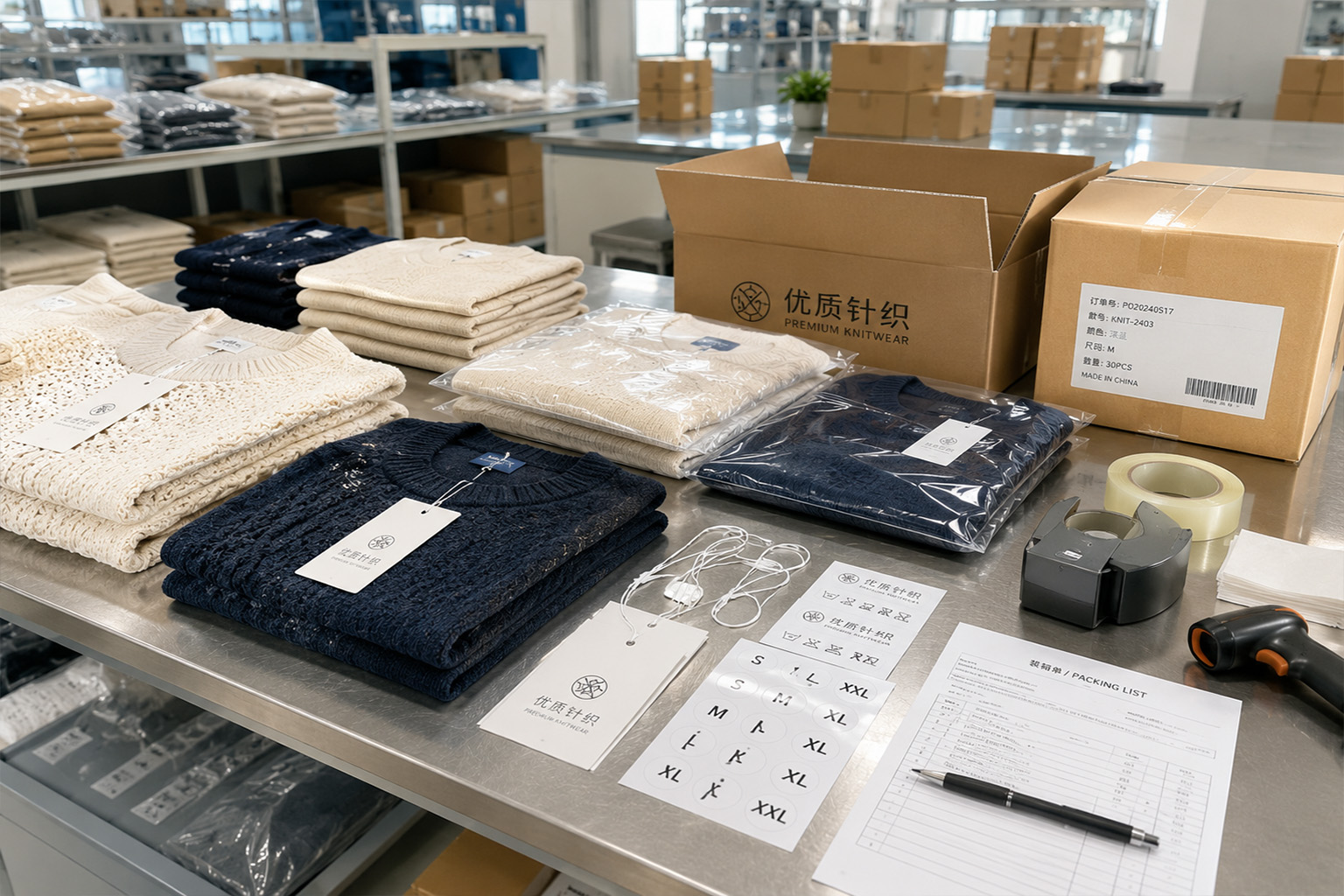
- Label and packing verification
- Corrective action and re-inspection when needed
For knitwear, additional checks may include gauge, stitch density, linking seams, loose yarns, shape, shrinkage and surface condition.
The approved sample should be the reference point throughout the bulk order, regardless of whether the buyer is producing 100 units or a larger repeat program.
7. Choose a Factory That Can Scale With Your Brand
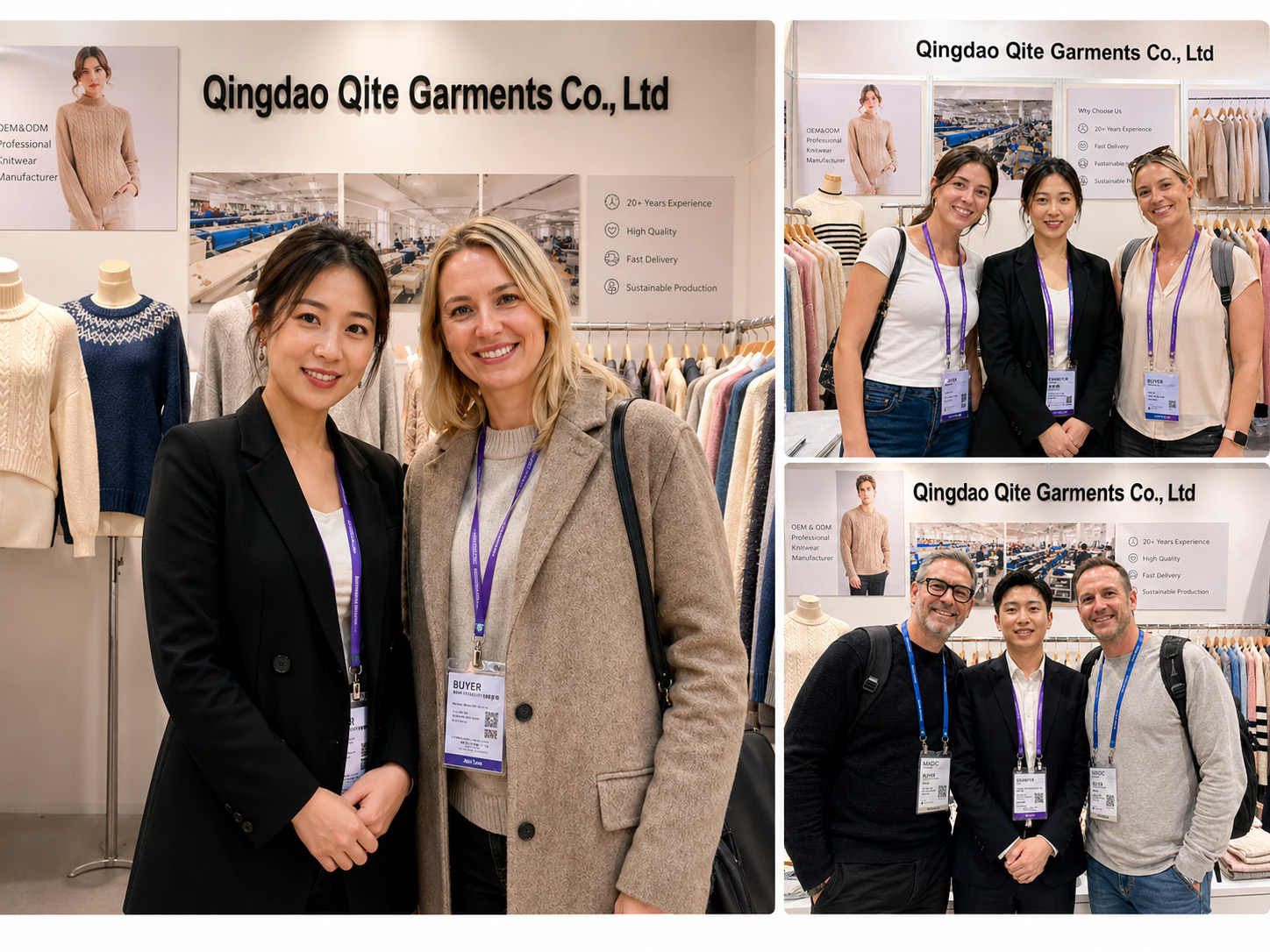
A small first order may become a regular seasonal program. When comparing apparel manufacturers, look beyond the initial MOQ and ask whether the supplier can support the next stage of growth.
A factory suitable for scaling should be able to discuss:
- Repeat ordering process
- Material continuity
- Production capacity by season
- Sampling turnaround
- Quality standards across repeat orders
- Size-range expansion
- Additional colours or styles
- Private-label packing requirements
- Delivery planning for larger orders
The goal is not simply to find the lowest minimum quantity. It is to find a custom apparel manufacturer that can support a realistic path from product testing to stable bulk production.
8. Questions to Ask Small Batch Clothing Manufacturers
Before confirming a supplier, ask:
- What is the MOQ for this specific style and colour plan?
- Can you work from a tech pack, reference image or original sample?
- What materials are available for a small order?
- What is the sample timeline and sample cost?
- What changes can be made after the first sample?
- What does the quotation include?
- Are labels, hangtags and packaging included?
- How are measurements and workmanship checked?
- Can you support repeat orders and larger quantities?
- What details could affect the delivery schedule?
Clear answers are a stronger signal than a very low MOQ with no explanation.
How QITE Reviews New Apparel Projects
QITE’s own production strength is in sweaters and knitwear. Drawing on more than 20 years of export and brand-production experience, the company also coordinates other apparel categories through suitable production resources after reviewing the tech pack, materials, construction, quantity and delivery requirements. For custom sweater programs, the standard starting MOQ is 500 pieces per style; colour minimums and other conditions are confirmed during project review. A lower trial quantity mentioned in this guide is an industry example, rather than a blanket QITE offer. Buyers should confirm feasibility and a written quotation for each project before placing an order.
FAQ
What is considered a small batch clothing order?
There is no universal number. A small batch depends on the product category, material, colour count, construction and factory setup. Buyers should confirm MOQ at the style and colour level.
Why do small batch clothing manufacturers charge more per unit?
Development, material minimums, machine setup, labour and packaging costs are spread across fewer units. A smaller order often has a higher unit cost, even when the total investment is lower.
Can a custom clothing factory make a sample before I place a bulk order?
Yes. Sampling is the normal way to review fit, material, workmanship, artwork and labels before production. The final approved sample should be used as the bulk-production reference.
How can I lower the cost of a small OEM apparel order?
Use fewer colours, simplify the construction, select available materials where appropriate, reduce unnecessary trims and confirm labels and packaging early.
Can a small batch order be scaled later?
Yes, provided the material, fit, construction and quality standard are documented properly. Buyers should ask the factory about repeat capacity, material continuity and larger-order planning before the first bulk order.
Plan Your Small Batch With a Clear Production Standard
The best small batch clothing manufacturers help buyers make informed decisions about MOQ, sampling, pricing and future production growth. A clear tech pack, approved sample and practical quantity plan can reduce risk before a brand invests in a larger order.
QITE GARMENTS supports OEM and private-label knitwear development from tech packs, samples, sketches and reference images. We review yarn, gauge, product details, sampling, packing and bulk-production requirements before confirming a production plan.
Send QITE GARMENTS your product brief with target quantity, size range, colour plan and delivery date for a practical development and quotation review.