Developing women’s custom sweaters is not simply a matter of choosing a colour and adding a label. The final product depends on how yarn, gauge, fit, neckline, sleeve shape, button placket, branding and finishing work together.
For fashion brands, boutiques and women’s sweater wholesale buyers, the strongest product programs start with clear development decisions before sampling. A well-prepared brief helps the factory understand the intended silhouette, target cost, retail position and production standard.
This guide explains what to confirm when developing women’s custom sweaters, including pullovers, cardigans, premium yarn styles and private-label programs.
1. Start With the Intended Fit and Customer
Fit is one of the first points a buyer should define. A garment can be technically correct in measurement but still feel wrong if the intended silhouette has not been communicated clearly.
For women’s custom sweaters, confirm whether the style should be:
- Fitted or body-skimming
- Regular fit
- Relaxed fit
- Oversized
- Cropped
- Longline
- Boxy
- Slim sleeve or volume sleeve
- Dropped shoulder or regular shoulder
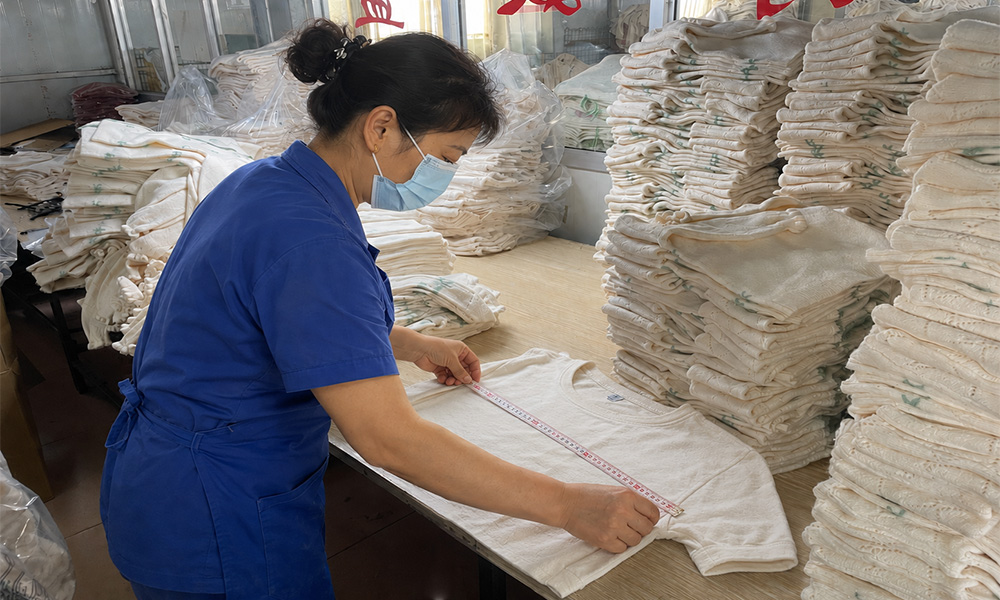
A factory should receive more than a standard size label. Include a base size, complete size range and key garment measurements.
| Measurement Point | Why It Matters |
|---|---|
| Chest width | Controls ease and overall silhouette |
| Body length | Important for cropped, regular and longline styles |
| Shoulder width | Defines fitted, dropped-shoulder or oversized shape |
| Sleeve length | Affects proportion and wearer comfort |
| Armhole depth | Influences movement and layering space |
| Neck width and depth | Important for crew neck, V-neck, polo and off-shoulder styles |
| Cuff and hem width | Controls shape retention and finished appearance |
For oversized custom made sweaters, buyers should state where the volume is intended. A wider body, a dropped shoulder and a longer sleeve create a different result from simply increasing every measurement.
2. Choose Yarn for the Product Positioning
Yarn affects the hand feel, visual texture, warmth, weight, cost and durability of the garment. It should be selected according to the target season and price level, rather than only the appearance of a reference image.
| Yarn Direction | Suitable Consideration |
|---|---|
| Cotton or cotton blend | Breathable, versatile and suitable for lighter seasonal knits |
| Wool or wool blend | Warmth, texture and autumn/winter positioning |
| Viscose blend | Smoother handle, fluid drape and refined appearance |
| Acrylic blend | Cost-conscious programs with broad colour options |
| Mohair-effect or brushed blend | Soft visual texture and fashion-focused winter styles |
| Cashmere or cashmere blend | Premium hand feel, luxury positioning and higher material cost |
| Recycled fibre blend | Suitable when fibre claims and supporting documentation are clearly confirmed |
For custom cashmere sweaters, buyers should confirm the actual fibre composition, yarn specification, garment weight, care method and approved hand feel. “Cashmere blend” can mean very different compositions, so a clear yarn record is essential before final costing.
The same applies to women’s sweater wholesale programs. A lower-cost blend may be suitable for one retail channel, while a premium boutique collection may require a different yarn, finish and quality expectation.
3. Match Gauge and Stitch Structure to the Design
Gauge and stitch structure determine how a sweater looks, feels and wears. They also influence knitting time, yarn consumption and production cost.
| Knit Option | Typical Use |
|---|---|
| Fine gauge | Lightweight pullovers, fitted knits and refined layering pieces |
| Mid gauge | Versatile cardigans and seasonal fashion sweaters |
| Chunky gauge | Heavier winter styles, textured pullovers and statement knitwear |
| Rib knit | Stretch, recovery and body-contouring silhouettes |
| Cable knit | Traditional texture with a more substantial visual effect |
| Pointelle | Decorative open-knit details for womenswear collections |
| Jacquard | Multi-colour patterns, motifs and graphic knitwear |
| Intarsia | Larger colour-block artwork or front-panel designs |
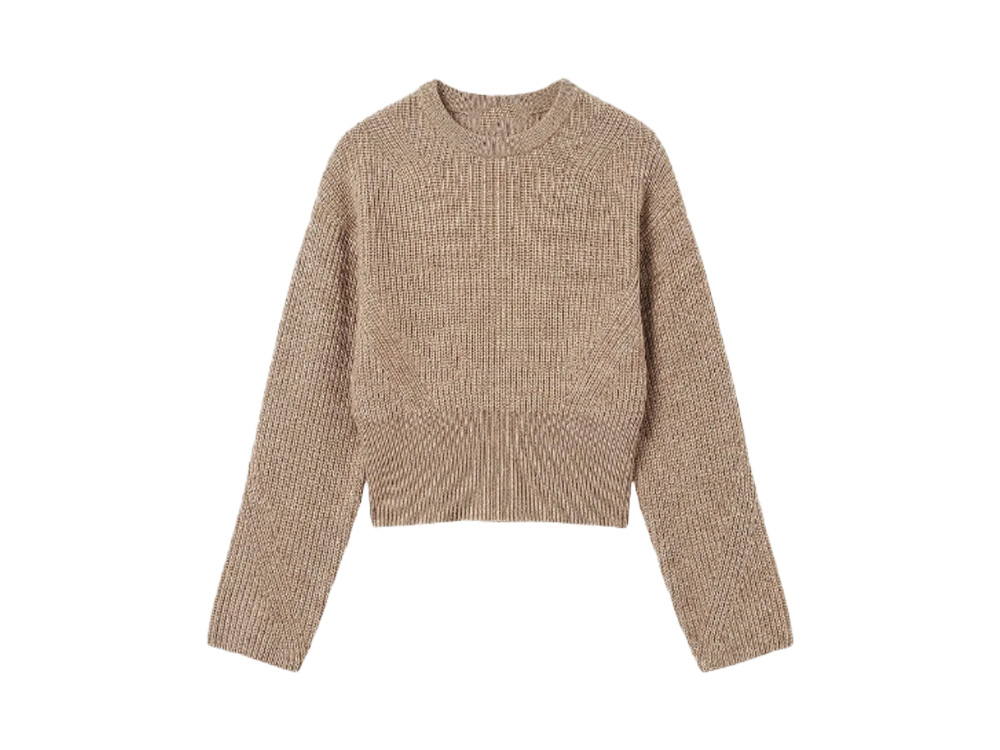
For women’s custom sweaters, ask to review the actual knit sample before approving production. A digital visual cannot show yarn softness, stitch density, shape recovery or the final drape on the body.
4. Develop Custom Cardigans With Clear Placket Details
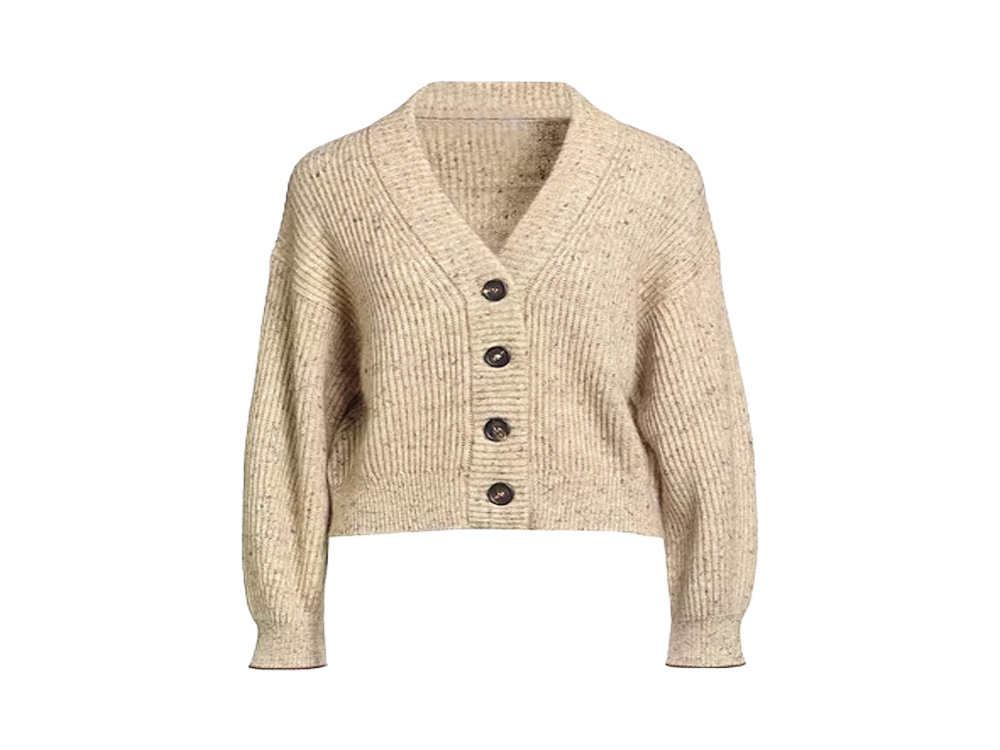
A custom cardigan requires additional decisions compared with a pullover. The button placket, neckline, button spacing and hem balance all affect the appearance of the finished garment.
For custom cardigan sweaters, confirm:
- Neckline shape: crew neck, V-neck, collar, polo or open front
- Button quantity and button spacing
- Button material, size, colour and finish
- Placket width and reinforcement
- Pocket position and dimensions, if applicable
- Rib structure at cuffs and hem
- Whether the cardigan should be worn fitted, relaxed or oversized
- Label placement and inside neck finish
A custom knit cardigan should be checked when buttoned and unbuttoned. This helps identify placket pulling, uneven spacing, neckline distortion or hem imbalance before bulk production.
5. Plan Logos, Artwork and Brand Details Early
Branding should be included in the initial product brief, not added after the sample is approved.
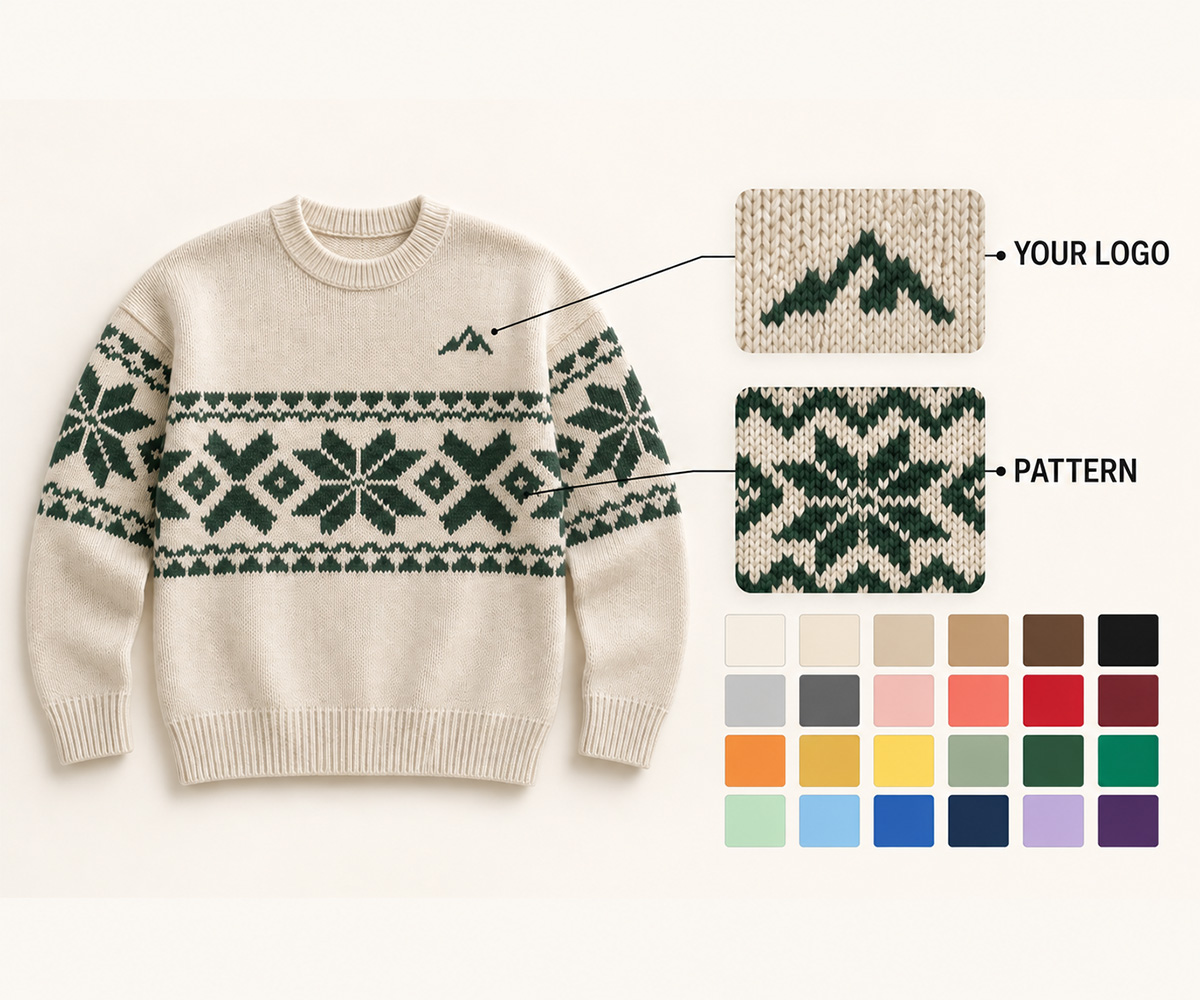
For women’s custom sweaters, common branding options include:
- Jacquard logo
- Intarsia artwork
- Embroidered chest logo
- Woven badge
- Branded buttons
- Neck label
- Care label
- Hangtag
- Sleeve label or hem flag label
The logo method should match the garment structure. A detailed graphic may work better as embroidery or a patch, while a simpler motif may be suitable for jacquard or intarsia.
For private label knitwear, submit editable logo artwork, preferred logo size, placement instructions, thread or yarn colours and all label copy before bulk production starts.
6. Use Sampling to Confirm the Actual Product
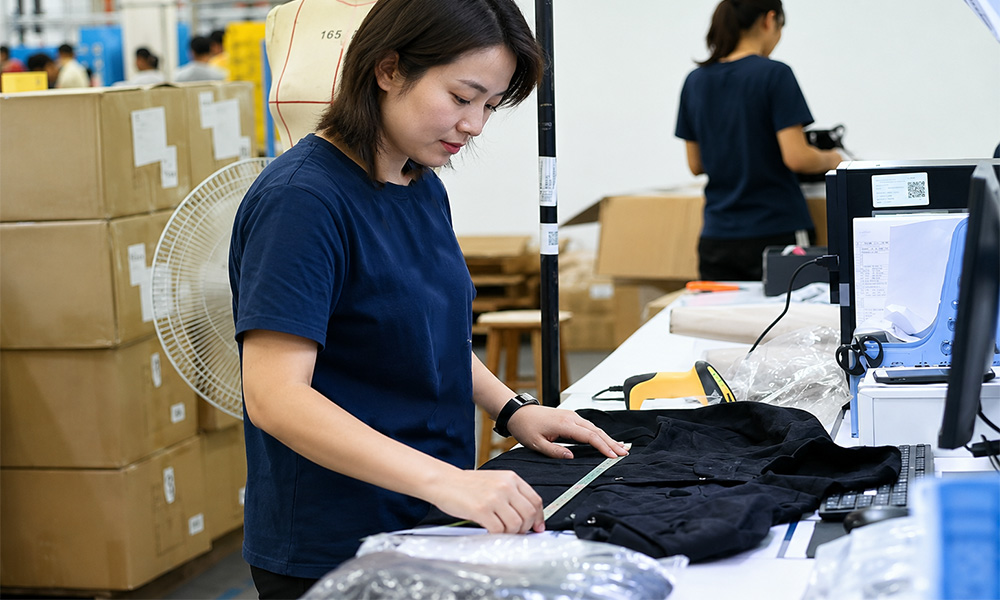
Sampling is where the original concept becomes a production-ready garment. Buyers should use the sample review to confirm both appearance and measurable specifications.
Review the sample for:
- Yarn composition and hand feel
- Gauge and stitch structure
- Garment weight
- Fit and measurements
- Neckline shape and recovery
- Sleeve and shoulder proportion
- Button placket appearance for cardigan styles
- Colour accuracy
- Logo position and workmanship
- Surface condition and finishing
- Label placement and packing details
For a wide size range, consider reviewing more than one size. This is especially useful for custom cardigan sweaters and fitted styles, where grading can affect chest ease, sleeve proportions and button placement.
7. Confirm Private Label Knitwear Requirements Before Bulk Production
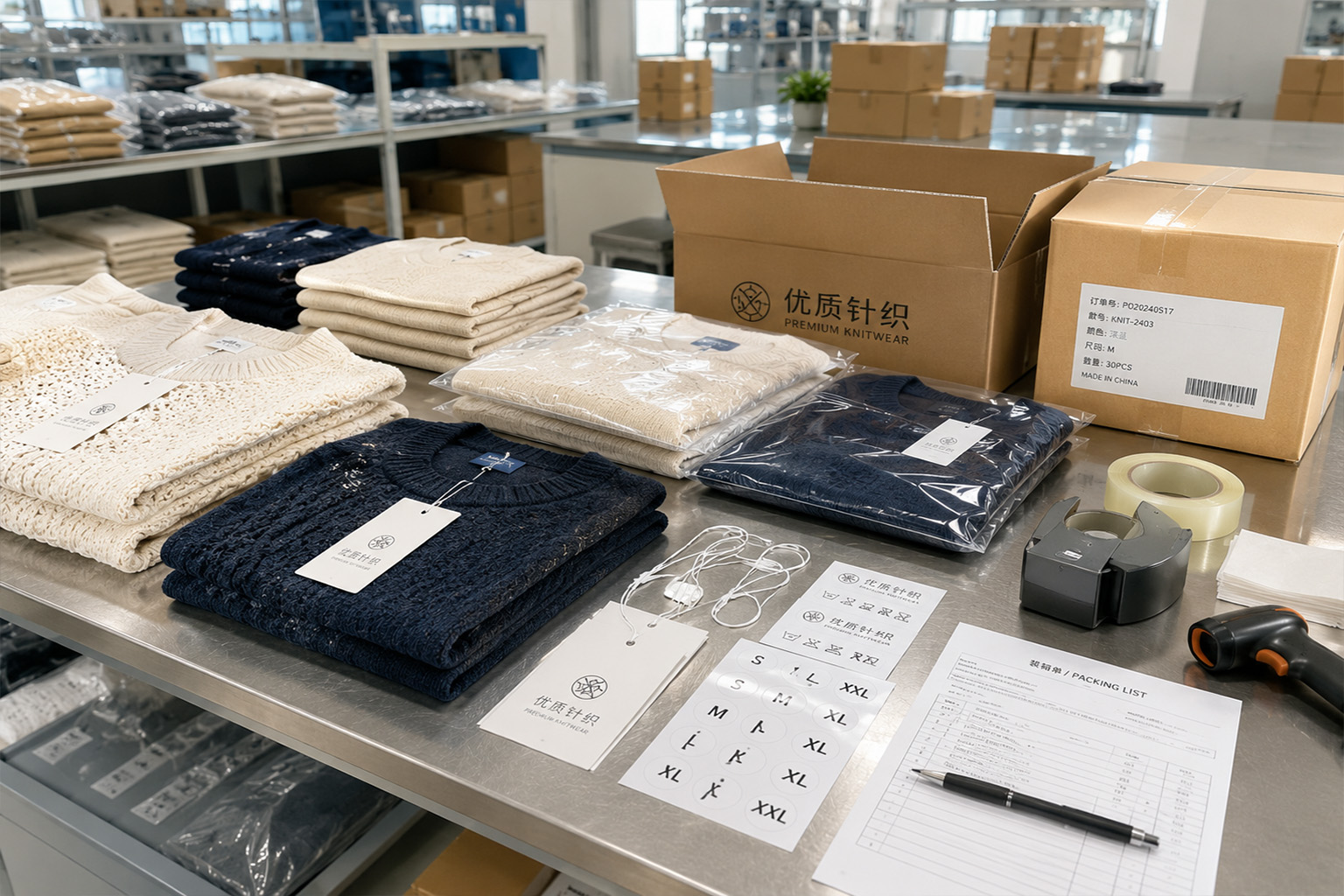
A complete private label knitwear program includes the product, labels, packing and shipment information.
| Private Label Item | What to Confirm |
|---|---|
| Neck label | Brand name, label material, size and placement |
| Care label | Fibre information, care instruction and country-of-origin details |
| Size label | Size system and placement |
| Hangtag | Artwork, barcode, string or pin attachment |
| Polybag | Fold method, bag size, warning text and barcode position |
| Carton | Assortment ratio, carton quantity and shipping marks |
| Retail packing | Hanger, tissue, belly band, sticker or buyer-specific requirement |
For U.S.-bound textile products, brands should review applicable fibre-content, country-of-origin and care-label requirements before finalising label artwork. Requirements can vary by destination market, so buyers should confirm details with their own compliance team or testing partner.
Quality Control for Women’s Custom Sweaters
Check the approved sample, measurement tolerances, yarn colour, stitch density, linking seams, surface condition and logo placement during production. For cardigans, also check placket alignment, button attachment and the garment’s balance when fastened. Review shrinkage and shape after the agreed care test, then verify size labels, packing ratios and carton marks before shipment. Record defects and corrections so repeat orders use the same approved standard.
8. Ask These Questions Before Choosing a Manufacturer
Before placing an order for custom sweaters wholesale or a smaller private-label program, ask the supplier:
- Can you produce similar women’s knitwear styles?
- Can you work from a tech pack, sample or reference image?
- What yarn and gauge options suit the target price?
- What is the MOQ by style and colour?
- What is included in the quotation?
- How long does sample development take after details are confirmed?
- How are sample comments recorded and corrected?
- What checks are completed during bulk production?
- Can you support labels, hangtags, barcodes and packing?
- What is the expected production plan after sample approval?
Clear answers are more valuable than vague promises. A reliable supplier should explain what is confirmed, what needs development review and which decisions could change cost or lead time.
FAQ
What should I send for a women’s custom sweater quotation?
Send a tech pack, reference image or original sample, target quantity, colour plan, size range, yarn preference, logo artwork, label requirements and target delivery date.
Can I develop a custom cardigan from a photo?
Yes. A photo can be used to begin development, but the factory still needs to confirm measurements, yarn, gauge, button details, logo method and fit direction before sampling.
What affects the cost of custom cashmere sweaters?
Cost is affected by cashmere percentage, yarn quality, garment weight, gauge, stitch structure, order quantity, colours, labels and packaging.
How do I avoid fit problems in custom made sweaters?
Provide a detailed size chart, specify the intended silhouette and approve a sample measurement report before bulk production. For broad size ranges, review more than one sample size.
Can a factory support private label knitwear packing?
Yes. Private-label projects can include neck labels, care labels, hangtags, barcodes, polybags, folding instructions and carton marks when these details are confirmed before production.
Develop Your Women’s Knitwear Program
Successful women’s custom sweaters begin with a clear product brief and end with an approved production standard. Yarn, fit, cardigan construction, branding and packing should all be confirmed before the bulk order is released.
QITE GARMENTS supports OEM and ODM knitwear development for women’s sweaters, cardigans and private-label programs. Send your tech pack, sample or reference image to QITE GARMENTS for product review, sampling and quotation support.