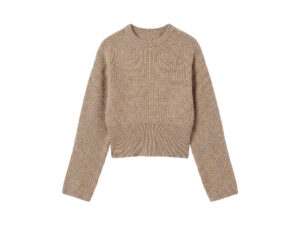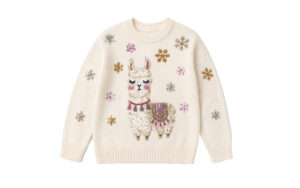
Kids’ knitwear product categories must balance design, comfort, sizing, durability and safety. A school sweater, a fashion cardigan and a festive jacquard pullover may share knitted construction, but each needs a different product brief, size plan, trim review and testing approach.
For buyers working with a children’s sweater manufacturer, selecting the category and age group early helps define yarn, fit, colors, artwork, labels, quantity and production requirements. QITE’s kids’ knitwear manufacturer page provides the main service overview, while the custom sweaters page shows the wider style program.
Main Kids’ Knitwear Product Categories
| Category | Common use | Buyer confirmation points |
|---|---|---|
| Custom kids’ sweaters | Everyday retail, gifting and seasonal ranges | Fit, neckline, yarn hand feel, structure and grading |
| Kids’ cardigan | Layering, schoolwear and fashion programs | Placket stability, closure security, pockets and cuffs |
| Sweater vest | Uniforms, shirt layering and transitional seasons | Armhole, neckline depth, rib proportion and ease |
| School sweater | Uniform and repeat-order programs | Color consistency, durability, crest and size continuity |
| Kids’ knitted polo | Smart casual and school collections | Collar, placket, closure and fit |
| Christmas sweater | Seasonal retail and family collections | Artwork, decorative trims, timing and care |
| Baby knitwear | Infant collections and gifting | Age-specific sizing, material choice, construction and applicable requirements |
1. Custom Kids’ Sweaters and Pullovers
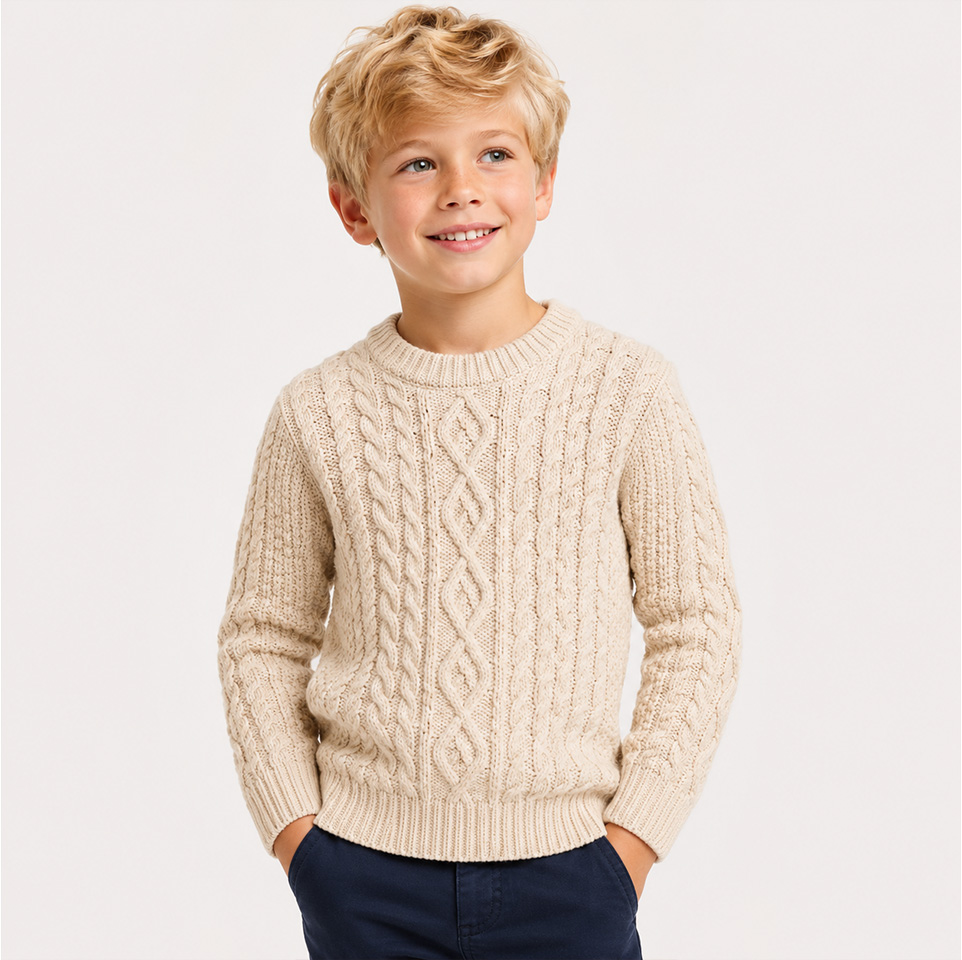
Custom kids’ sweaters include crewnecks, V-necks, mock necks, hooded knits and graphic pullovers. A core retail program may use plain knit, rib or simple stripes, while a fashion collection may introduce cables, texture, jacquard or intarsia artwork.
The neckline must work with the intended age group and dressing method. Sleeve and body proportions should support movement without creating excessive loose volume. Yarn softness is important, but buyers should also consider pilling, dimensional stability, colorfastness and the care routine expected by families.
2. Kids’ Cardigans
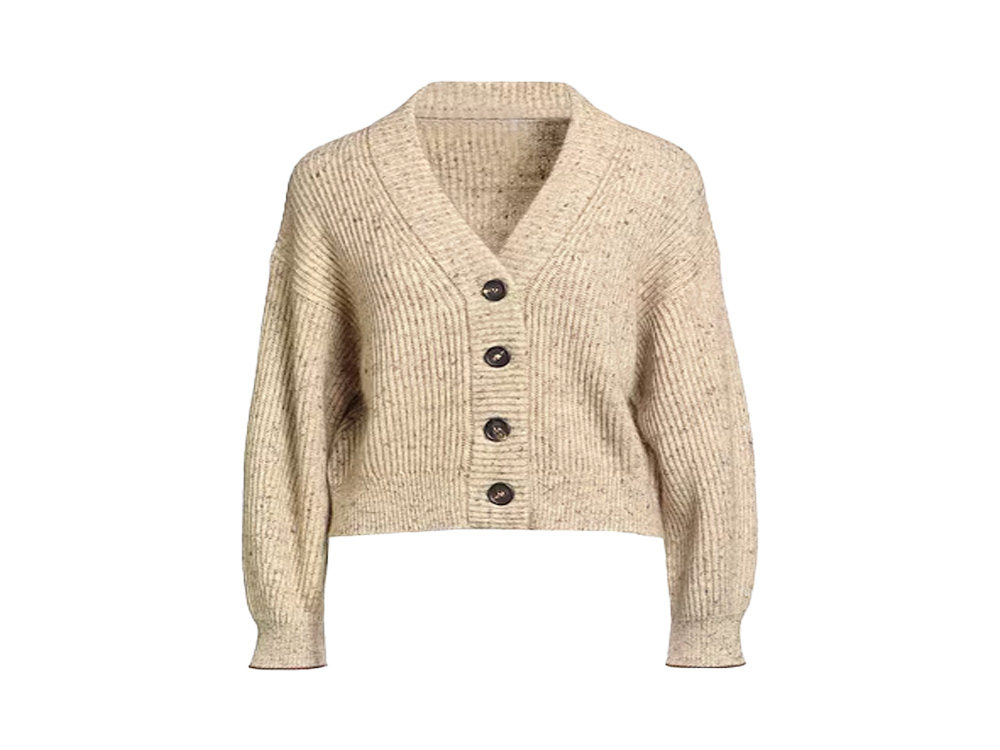
A kids’ cardigan can be developed with buttons, snaps or a zipper, subject to age, design and destination-market requirements. The opening makes the garment easy to layer but adds placket, closure and front-balance considerations.
- Confirm closure material, size, attachment and spacing.
- Check that the placket remains flat after finishing and care.
- Review pocket opening and attachment if pockets are included.
- Ensure cuffs and hem recover without feeling restrictive.
- Define whether decorative elements are functional or appearance-only.
3. Kids’ Sweater Vests
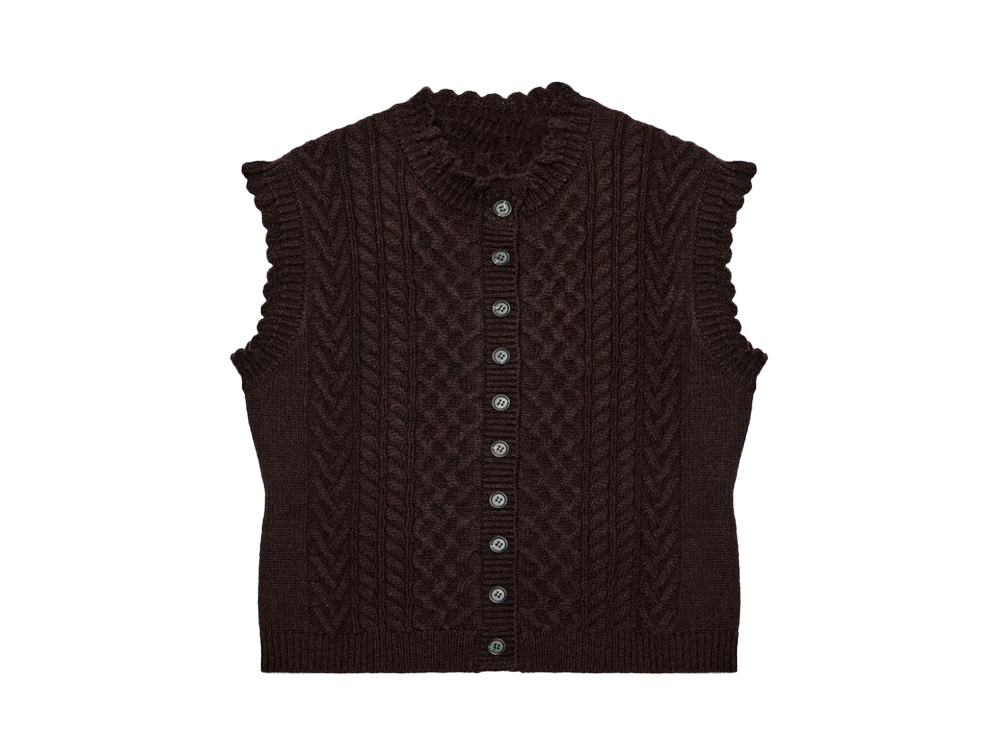
Sweater vests are useful for school uniforms, preppy collections, formal layering and transitional seasons. V-neck depth, shoulder width and armhole shape should match the intended shirt or base layer. Rib tension needs to hold the shape without pulling the armhole or neckline inward.
For jacquard, argyle or crest designs, confirm how the artwork aligns with the neckline and changes across sizes. A motif that looks balanced on the sample size may appear too large on the smallest size unless placement and scale are planned.
4. School Sweater and Uniform Programs
A school sweater manufacturer needs to support consistency as well as initial development. Common styles include crewneck pullovers, V-neck pullovers, cardigans and sweater vests. Programs may add a knitted, embroidered or patched crest.
- Repeatable color: maintain an approved standard for future orders.
- Durability: select yarn and construction for frequent wear and care.
- Size continuity: keep the grading system stable across replacement orders.
- Logo placement: document finished dimensions and position for every style.
- Identification: confirm size labels, care labels, name-label areas and packaging.
5. Seasonal and Christmas Kids’ Sweaters

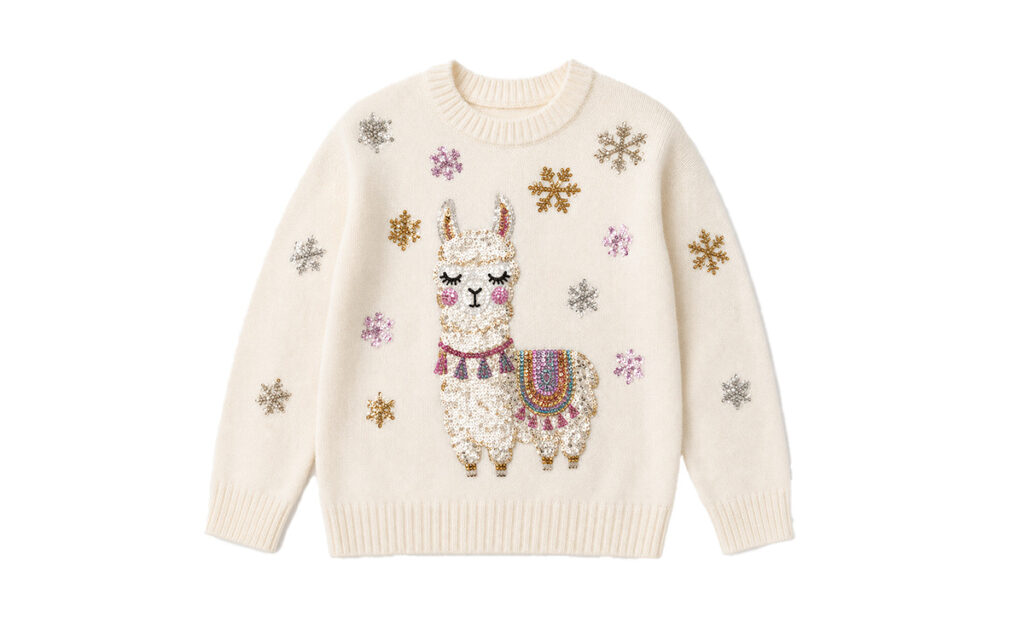
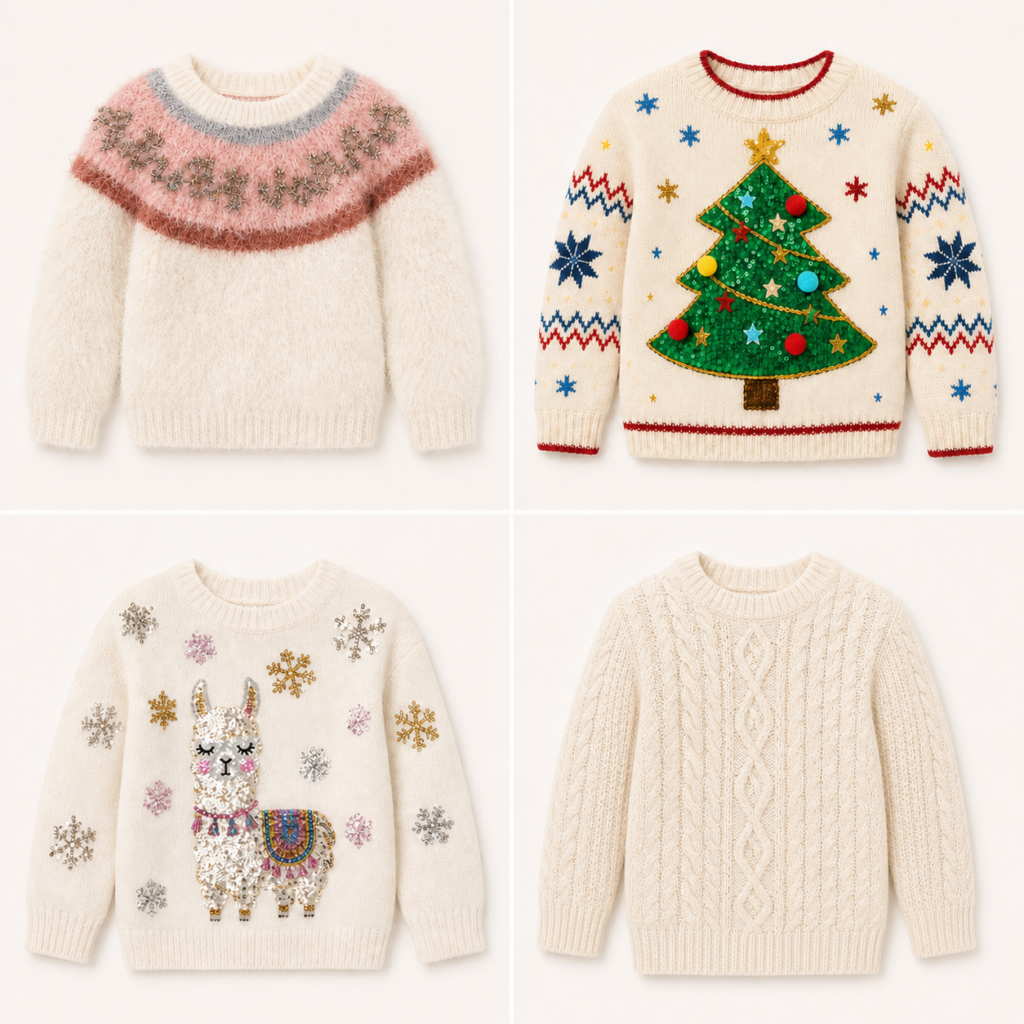
Seasonal programs can use jacquard, intarsia, embroidery, appliqué and other decoration. Each added detail affects sampling, cost, hand feel and production time. For holiday delivery, artwork and trim decisions should be completed early enough for sample revisions and bulk inspection. Buyers can review QITE’s custom Christmas sweater manufacturing page for the dedicated seasonal program.
Age Range, Fit and Kids’ Size Grading
“Kids” is not one size group. Infant, toddler, younger-child and older-child products have different body proportions, dressing needs and market requirements. The buyer should state the age or height range, base size, points of measure and grading increments.
- Chest width and body length should create intended ease without unnecessary bulk.
- Neck openings must support dressing and the specified construction.
- Sleeve length, armhole and bicep should allow normal movement.
- Cardigan plackets and vest armholes need age-appropriate proportions.
- Artwork should be checked on the smallest and largest planned sizes.
A physical fit sample and selected size-set samples help confirm the grade before bulk production. Measurements should be assessed after the agreed finishing process because knitted garments can change with washing, steaming and handling.
Yarn, Comfort and Care
Softness is important, but material selection should consider the complete program. School knitwear may prioritize durability and easy care; premium fashion knitwear may prioritize hand feel and drape; winter styles may require greater warmth. The final decision should account for fiber composition, yarn texture, pilling, shrinkage, colorfastness and care instructions.
Gauge and structure change the result. Fine gauges create lighter, smoother products, while lower gauges produce more visible texture and weight. Cables, ribs and jacquards can also affect stretch and measurements. These factors should be confirmed through QITE’s knitwear manufacturing process and sample review.
Trim Safety and Market Requirements
Buttons, zipper components, beads, sequins, patches, pompoms and other trims should be reviewed according to product age, construction and destination market. Attachment security, sharp points, accessible components and material documentation may be relevant. Requirements vary, so buyers should define the sales market and obtain appropriate compliance guidance.
For the United States, buyers can consult the U.S. Consumer Product Safety Commission’s children’s product resources. A factory sample approval does not replace the buyer’s responsibility to establish the applicable testing and compliance plan.
Kids’ Knitwear Sampling Checklist
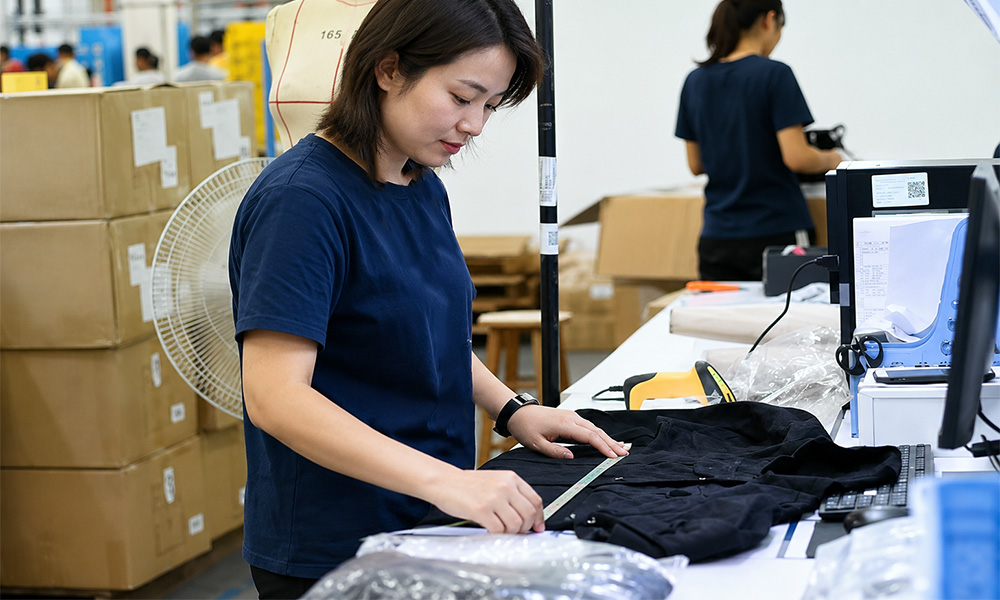
- Confirm category, age range, fit direction and size chart.
- Approve yarn, color, gauge, stitch structure and garment weight.
- Measure the sample using the documented method.
- Review neckline, armhole, sleeve and body comfort.
- Check closure, trim and decoration attachment.
- Approve artwork size, placement and reverse-side finish.
- Verify labels, care wording and packing instructions.
- Record all revisions in a dated final specification.
Bulk Quality Control for Kids’ Knitwear
Bulk review should compare production with the approved sample, specification and test plan. Checks may include measurements, shade, knitting defects, seams, rib recovery, closures, decoration, labels and packaging. Age- and market-specific requirements should be incorporated into the agreed control plan.
QITE’s knitwear quality-control process explains the broader framework for inspection, packing verification and production records.
Buyer Checklist Before Requesting a Quote
- Product category and reference images
- Age or height range and measurement chart
- Target yarn, gauge, colors and artwork
- Closure, trim and label specifications
- Quantity by style, color and size
- Destination market and testing requirements
- Packaging, barcode and delivery window
FAQ: Kids’ Knitwear Product Categories
Which kids’ knitwear category is simplest for a first program?
A straightforward crewneck pullover usually has fewer trim and placket decisions than a cardigan or knitted polo. The best choice still depends on the brand, age group and intended use.
Can school and fashion styles use the same yarn?
Sometimes, but the performance, hand feel, care and color-continuity requirements may differ. The yarn should be evaluated against each program’s needs.
Can one order combine sweaters, cardigans and vests?
Potentially, subject to the quotation, yarn, construction and MOQ. Each style still needs its own tech pack, size breakdown and sample approval.
Develop Kids’ Knitwear With QITE GARMENTS
QITE GARMENTS develops custom sweaters and private-label knitwear for brands, wholesalers and importers. Kids’ programs are reviewed according to age range, construction, yarn, trims, quantity, destination market and available production resources. Buyers can also review QITE’s OEM and private-label knitwear services.
For buyers developing a broader children’s range beyond knitted sweaters, QITE also coordinates selected kidswear and custom clothing manufacturing projects after reviewing materials, construction, quantity and testing requirements.