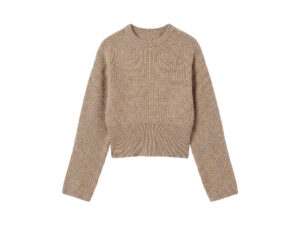

A clear men’s sweater tech pack turns a design idea into instructions that a knitwear factory can price, sample and reproduce. It should define the yarn, gauge, stitch structure, measurements, artwork, trims, labels and packaging instead of asking the sample room to interpret a reference image.
For brands developing men’s custom sweaters, a precise specification reduces repeated sampling and creates a measurable standard for bulk production.
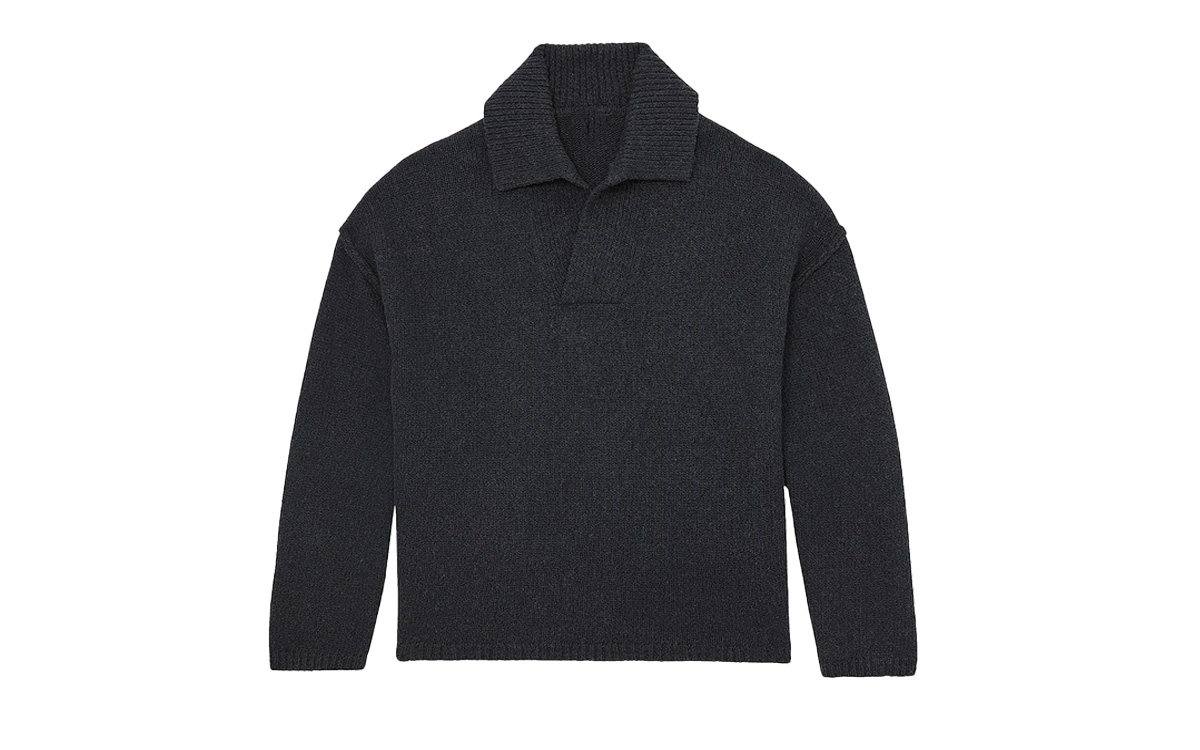
Essential principle: every critical requirement should be written, measured or illustrated. The approved sample is important, but it should confirm the tech pack—not replace missing specifications.
What Should a Men’s Sweater Tech Pack Include?
| Tech-pack section | Information to provide | Why it matters |
|---|---|---|
| Style overview | Style number, season, silhouette, reference images and intended fit | Establishes one clear product identity |
| Yarn and gauge | Fiber composition, yarn count, ply, color and knitting gauge | Controls weight, hand feel, appearance and cost |
| Construction | Stitch structures, panels, linking, seams, ribs and finishing | Defines how the sweater should be made |
| Measurements | Points of measurement, base size, grading and tolerances | Creates an objective fit standard |
| Artwork | Jacquard, intarsia, embroidery or placement files with dimensions | Prevents scale, color and placement errors |
| Trims and labels | Buttons, zips, patches, main label, care label and hangtag | Aligns product function and private-label presentation |
| Packaging | Folding, polybag, barcode, carton assortment and marks | Prepares the product for warehouse or retail handling |
1. Define the Sweater Style and Intended Fit
Start with the product type: crewneck, V-neck, cardigan, polo knit, sweater vest, turtleneck, quarter-zip or another silhouette. State whether the fit is regular, slim, relaxed, oversized or cropped. Include front and back technical sketches and identify details such as dropped shoulders, saddle sleeves, raglan shaping, side slits or a curved hem.
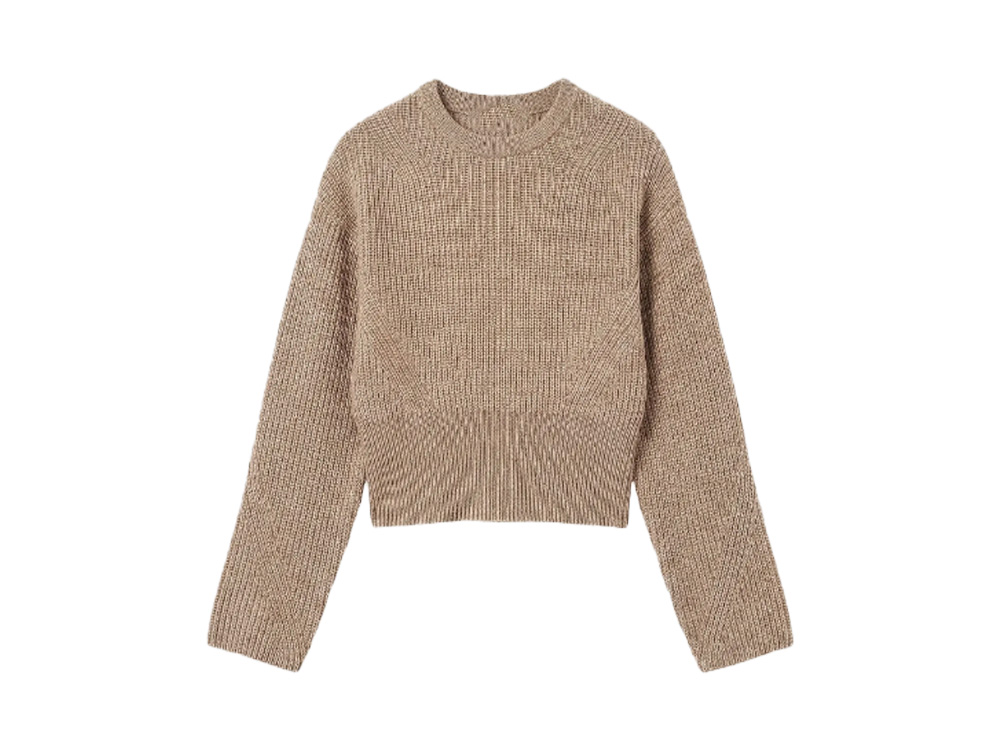
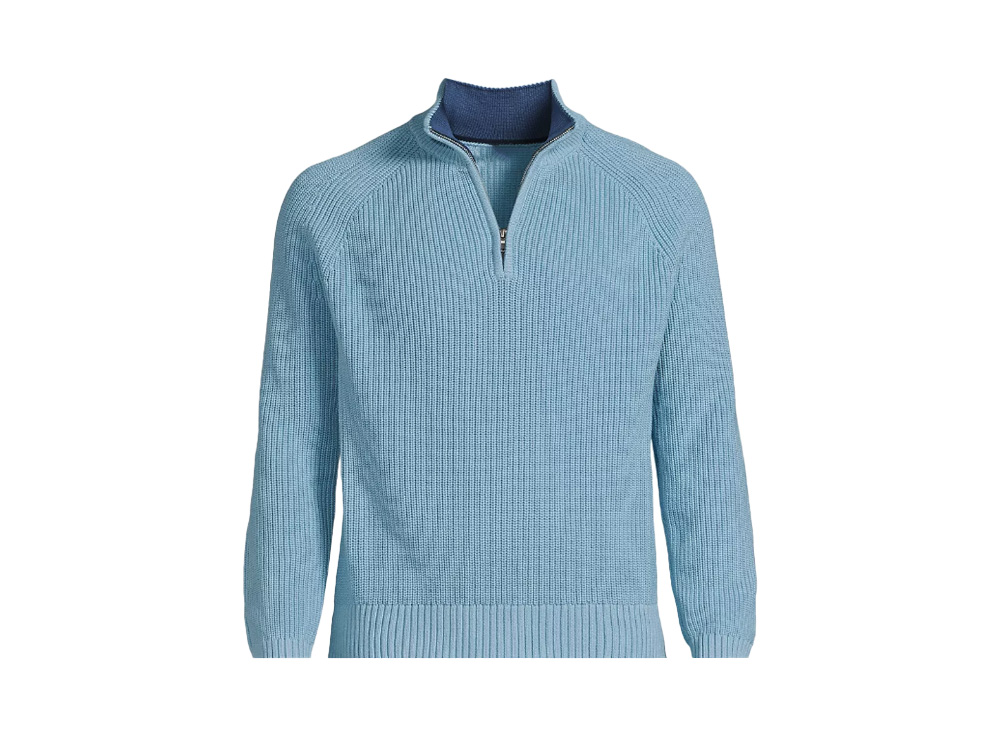
A reference garment can communicate proportion and hand feel, but explain which details must be copied and which must change. Without that distinction, the factory may reproduce an element the designer only intended as inspiration.
2. Specify Yarn, Gauge, Weight and Stitch Structure
“100% cotton sweater” is not a complete yarn specification. Cotton can vary by yarn count, twist, ply, finish and softness. The same design knitted at different gauges or stitch densities will change in weight, drape, dimensions and price.
- Fiber composition and any required certification or claim
- Yarn count, ply and target hand feel
- Gauge direction, such as 3GG, 5GG, 7GG, 12GG or 16GG
- Target garment weight where weight is commercially important
- Stitch map for jersey, rib, cable, jacquard, pointelle or other structures
- Color references using confirmed standards rather than screen color alone
QITE supports 1GG–16GG development according to yarn and structure. The final gauge must be confirmed through sampling because yarn behavior, stitch density and finishing affect the result. See our knitwear manufacturing process for the relationship between development and bulk production.
3. Build a Clear Measurement Specification
Every point of measurement must use a consistent method. For example, chest width should state whether it is measured flat at a fixed distance below the armhole. Sleeve length should identify whether measurement starts from the shoulder seam, center back neck or another point.
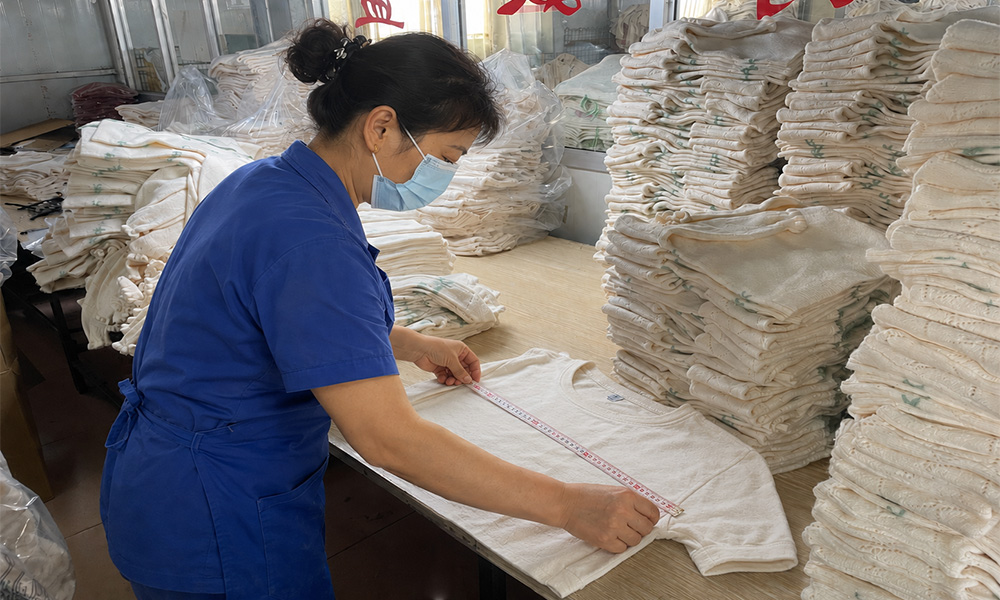
- Chest width and position below the armhole
- Body length and measurement origin
- Shoulder width or raglan seam length
- Sleeve length, upper-arm width and cuff opening
- Neck width, front neck drop and collar or rib height
- Hem width, rib height and side-slit length where applicable
Include a base-size specification, size grading and tolerances. Tolerances should reflect knit construction and measurement behavior; setting an unrealistic zero tolerance can create unnecessary rejection without improving fit.
4. Explain Artwork, Logos and Decoration
For jacquard or intarsia, provide a clean artwork file, intended dimensions, placement from reference points and approved colors. For embroidery, specify the finished size, location, thread direction where relevant and whether a backing is acceptable. Small details may need simplification to work within a knitted grid.
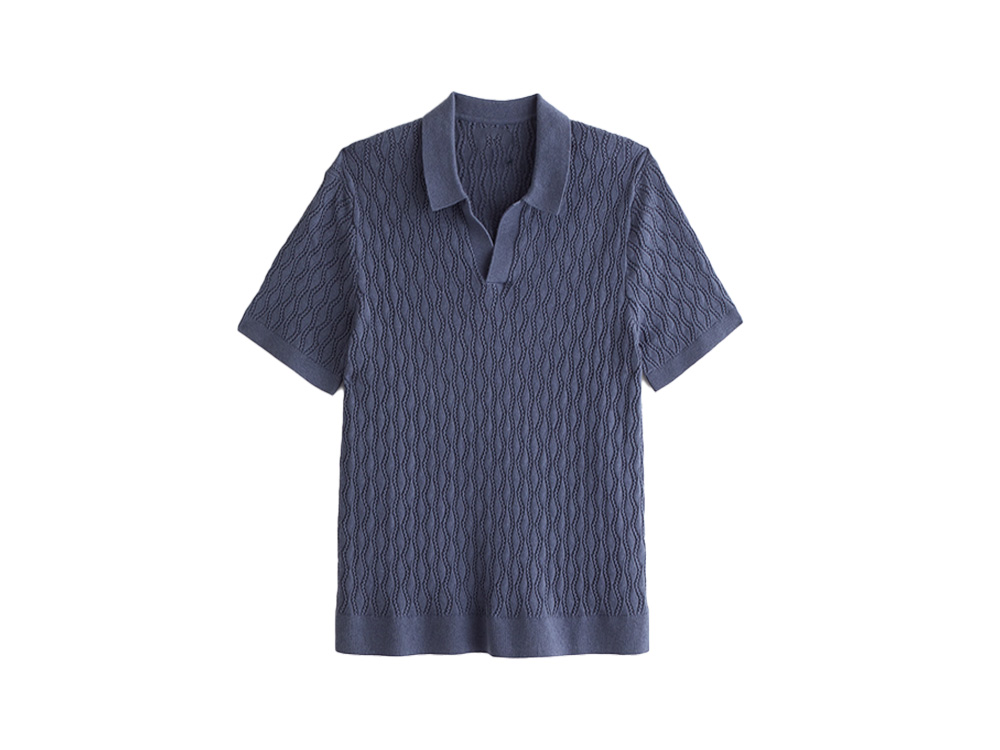
If the sweater includes a logo, identify whether it should be knitted into the structure, embroidered, appliquéd or added as a patch. Each technique has different limits for detail, stretch, hand feel and cost. Buyers developing several logo options can review QITE’s custom sweater manufacturing options.
5. Confirm Trims, Private Labels and Packaging
- Button diameter, material, color and attachment method
- Zipper brand or performance level, teeth, tape color and puller
- Main label, size label and care-label dimensions and placement
- Fiber content, country-of-origin and care wording for the destination market
- Hangtags, barcode stickers, folding method, polybags and carton assortment
U.S. buyers can review the FTC apparel-labeling resources and obtain market-specific compliance advice before finalizing label text.
6. Use Sample Comments as Controlled Revisions
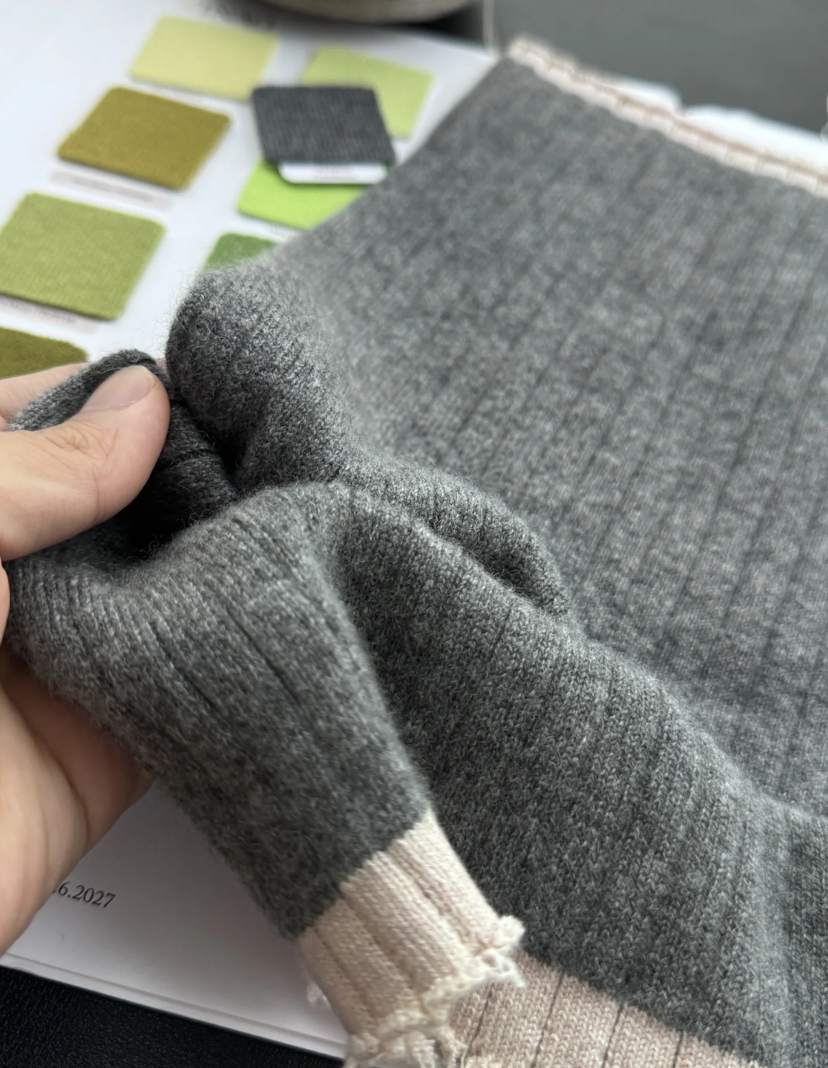
Sample review should compare the garment against the latest tech pack. Consolidate comments into one dated document, identify each measurement change and attach annotated photographs for visual issues. Avoid sending conflicting corrections across separate messages.
| Sample review area | Approval question |
|---|---|
| Fit | Do the silhouette, balance and key measurements match the intended wearer? |
| Material | Are yarn, color, hand feel, weight and recovery acceptable? |
| Construction | Are stitches, seams, linking, ribs and finishing correct? |
| Artwork | Are scale, placement, color and technique approved? |
| Branding | Are labels, trims, hangtags and packaging correct? |
| Production status | Is the sample approved, approved with corrections or rejected for resampling? |
7. Transfer the Approved Tech Pack to Bulk Production
Before bulk production, freeze the approved version of the tech pack and connect it to the approved sample, yarn or material standard, color references, trim approvals and packaging instructions. Late undocumented changes create avoidable quality and delivery risk.
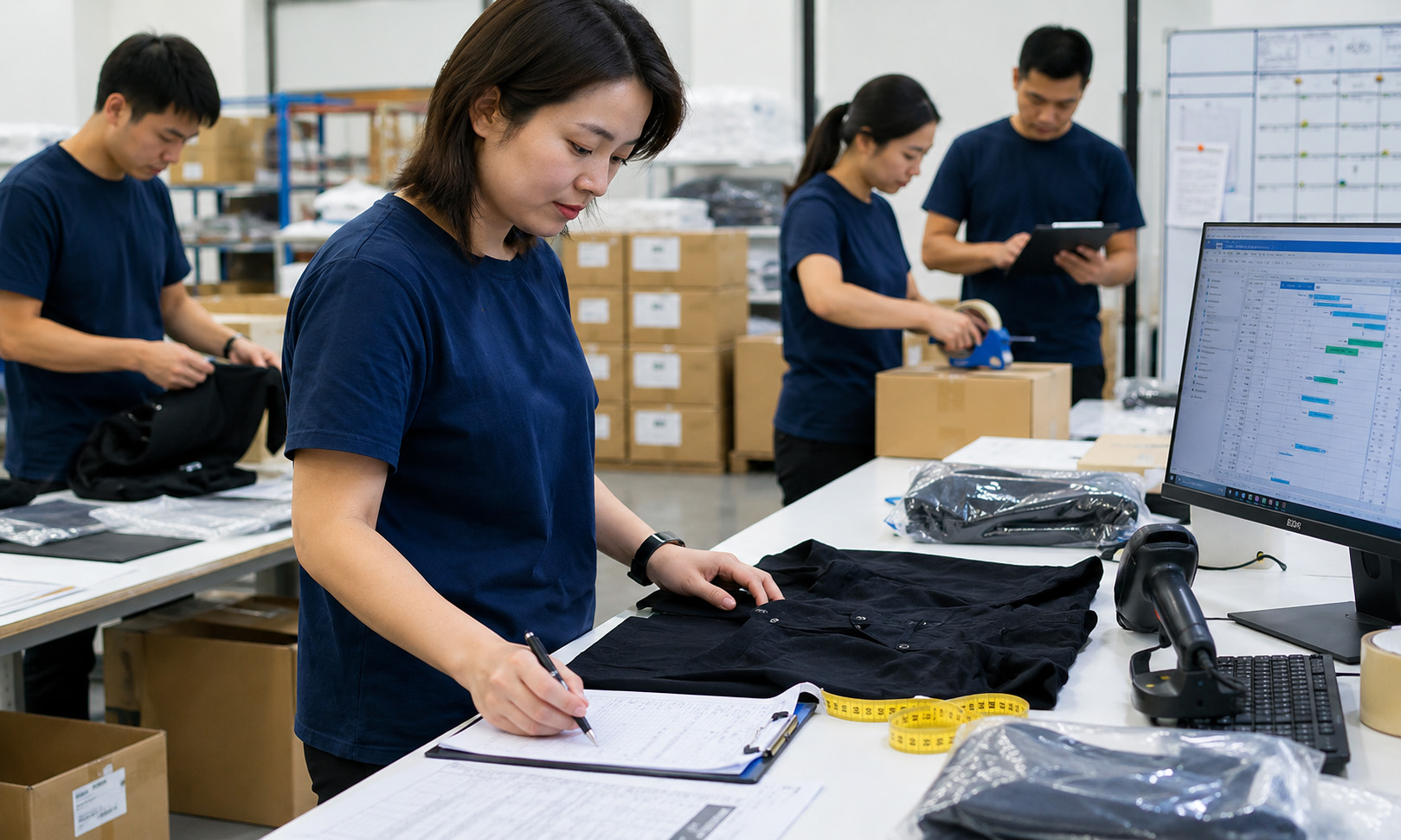
QITE’s knitwear quality-control process uses approved samples and specifications as references for material, measurements, workmanship, labels and final packing.
Common Men’s Sweater Tech Pack Mistakes
- Using only fashion photographs without technical sketches
- Specifying fiber composition but not yarn count, gauge or hand feel
- Listing measurements without explaining measurement methods
- Providing logo artwork without finished dimensions or placement
- Changing several details after material or bulk production has started
- Approving a sample verbally without a final written revision
- Leaving label, barcode and packaging requirements until the end
Frequently Asked Questions
Can a sweater factory work from a reference sample instead of a tech pack?
A reference sample can start the development process, but the buyer should still confirm measurements, yarn, gauge, colors, artwork, labels and intended changes. Written specifications make approval and repeat production more reliable.
Should the tech pack include garment weight?
Include a target weight when it affects hand feel, warmth, shipping, cost or retail positioning. Allow a realistic tolerance and confirm the measurement condition.
What file formats should buyers send?
PDF is useful for the controlled specification, while editable spreadsheets can support measurements and grading. Vector artwork is preferred for logos and graphics. File names should include the style number and revision date.
When is a men’s sweater sample ready for bulk production?
It is ready when fit, measurements, yarn, gauge, stitch structures, artwork, trims, labels and packaging are approved and the final written specification matches the accepted sample.
Send Your Men’s Sweater Tech Pack for Review
QITE Garments supports brands, wholesalers and importers with men’s sweater sampling, 1GG–16GG knitwear development, private labels, quality control and bulk production. Our standard sweater MOQ starts from 500 pieces per style, subject to yarn availability and design complexity.
Review our OEM and private-label knitwear services, then send the latest tech pack, artwork, target quantity and delivery market for a practical development review.