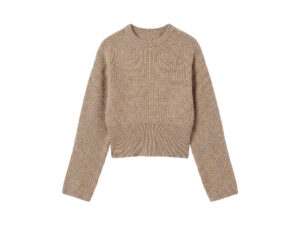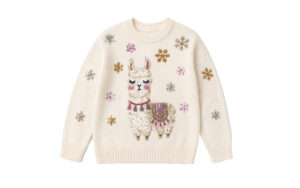
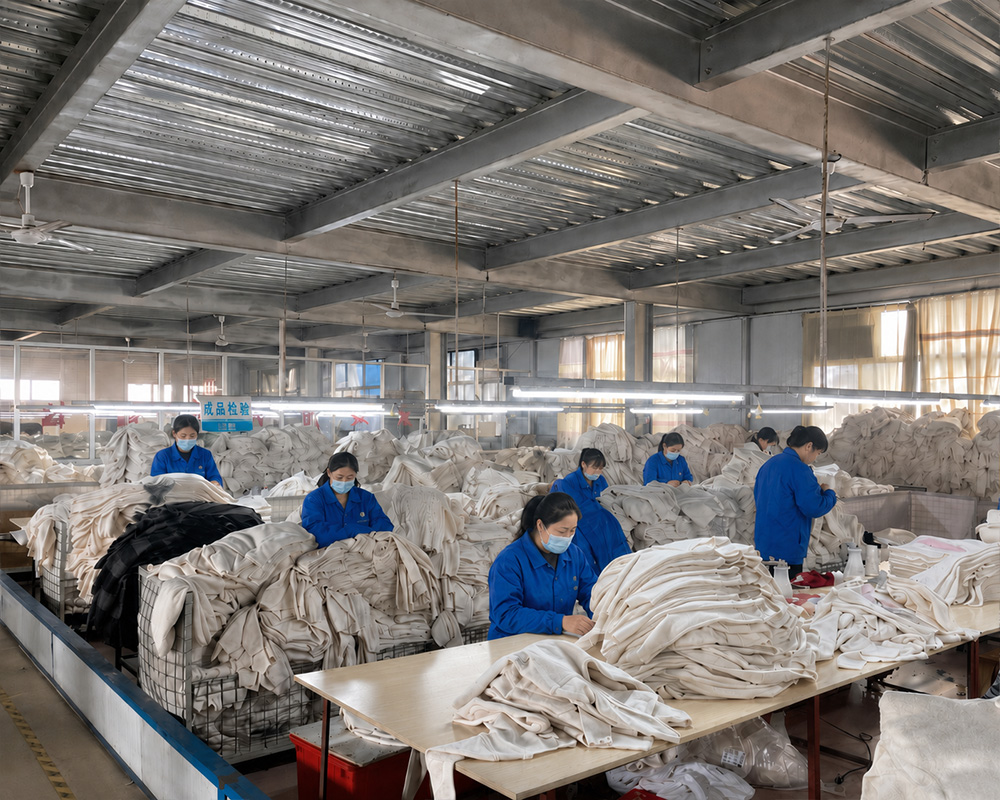
Customizing sweaters in China lets fashion brands, wholesalers, importers and private-label buyers develop knitwear with their own silhouettes, yarns, colors, labels and packaging. The process is not just about sending a factory a reference photo: the factory needs a clear route from the product concept to a repeatable bulk order.
Yarn composition, gauge, stitch construction, garment weight, fit, finishing and production control all affect the final sweater. This guide explains the practical steps brands can use to prepare a custom sweater project and communicate effectively with an OEM knitwear manufacturer.
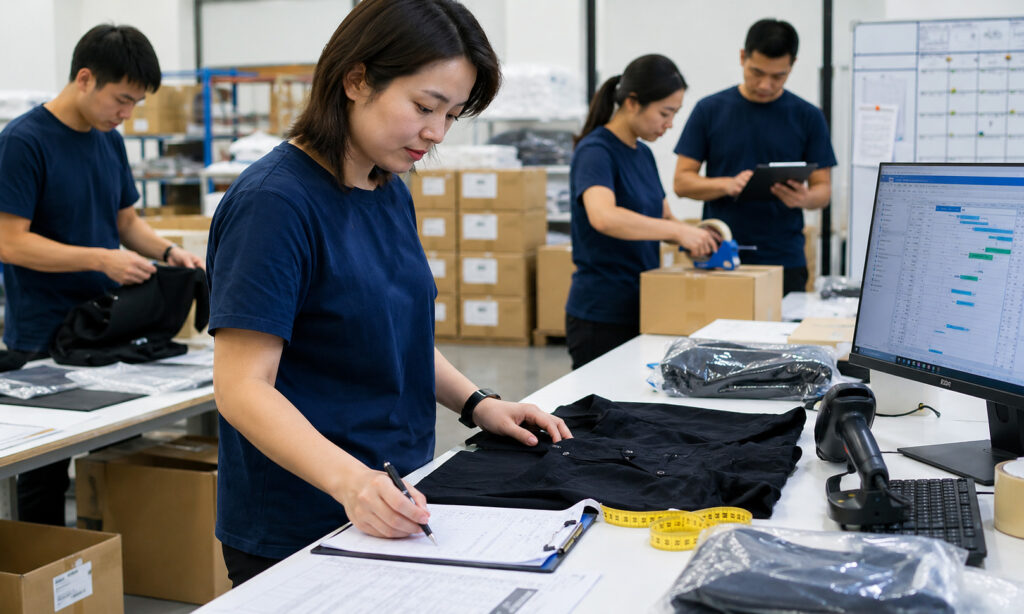
Step 1: Define the sweater category and customer
Start by defining what you are making and who will wear it. “Custom sweater” can describe very different products, each with its own construction and production considerations.
- Women’s or men’s pullovers and cardigans
- Kids’ sweaters and schoolwear knitwear
- Sweater vests, turtlenecks and knitted polos
- Lightweight tops, knit dresses and layering styles
- Christmas sweaters, jacquard, cable or other seasonal knitwear
Also state the intended season, customer fit and retail position. A chunky winter cardigan needs heavier yarn, a stable placket and a different gauge route from a fitted lightweight rib top. See the full range on our women’s knitwear manufacturer and men’s knitwear manufacturer pages.
Step 2: Prepare a design brief the factory can use
A tech pack is ideal, but it is not the only way to begin. Reference photos, a physical sample, a sketch or a mood board can start an ODM discussion when they are paired with the right basic information.
- Front/back reference images and close-up details
- Product category, target season and intended fit
- Fiber, hand-feel, color and texture direction
- Size range, key measurements and target garment weight where known
- Estimated quantity by color and size, plus target market
- Label, packing, testing and delivery requirements
The brief gives the factory context for a feasibility review. If you need help organizing it, use our guide to prepare a knitwear tech pack.
Step 3: Choose yarn, gauge and construction together
Yarn and gauge are the foundation of a knitwear product. They affect warmth, hand feel, weight, texture, drape, cost and the production route. Fiber composition alone is not enough: the yarn, gauge and stitch density must be reviewed together in a swatch or garment sample.
- Specify the preferred fiber or blend direction and required hand feel
- Confirm whether the garment should be opaque, lightweight, warm, structured or drapey
- Discuss fine, mid-gauge or chunkier construction after the yarn is reviewed
- Identify stitch requirements such as rib, cable, jacquard, intarsia or pointelle
- Confirm whether stock yarn or custom color development is appropriate for the project
QITE GARMENTS supports 1GG–16GG knitwear development. The right gauge should be confirmed from the selected yarn and intended appearance, rather than copied from a reference photo alone. Learn more about the development route through our custom knitwear OEM/ODM service.
Step 4: Review MOQ and cost drivers before sampling
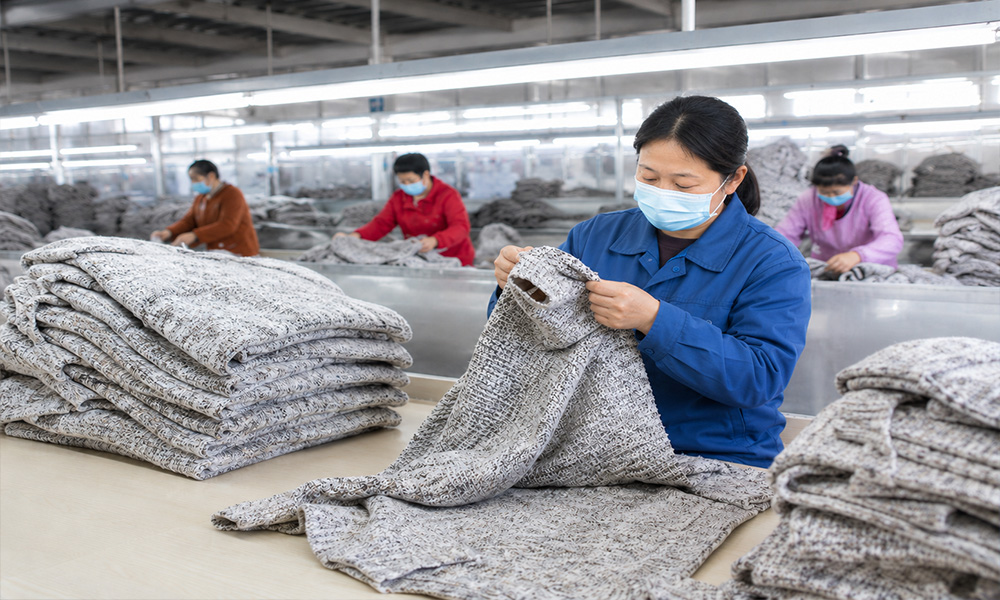
MOQ and pricing should be discussed early, but they can only be confirmed once the basic construction is clear. Yarn availability, custom color requirements, gauge, garment weight, stitch complexity, color count, size range, trims and packaging all influence the final quotation and minimum.
Share your estimated quantity by color and size, target price range and launch timing. The factory can then advise whether the requested construction is practical for the planned order. For a detailed explanation of the variables, read our sweater manufacturing cost guide and custom sweater MOQ guide.
Step 5: Develop and review the first sample
The first sample converts the design idea into a real garment. Its purpose is to validate construction, not merely to create a photo sample. Check it against the original brief before deciding whether the style is ready for a production sample.
- Hand feel, coverage, garment weight and overall balance
- Fit, body length, chest width, shoulder and sleeve proportions
- Gauge, stitch texture, color and artwork placement
- Neckline, placket, cuff, hem and trim quality
- Workmanship, label position and finishing condition
Sample timing depends on yarn readiness, design complexity and the completeness of the brief. Confirm the project schedule after these details are reviewed, rather than relying on a fixed generic lead time. See how samples support supplier and product decisions in our knitwear sample development guide.
Step 6: Give precise revision comments
Most custom sweater projects need at least one review round. Effective comments are measurable and tied to the sample, not general requests such as “make it better.”
- Adjust body length, chest width or sleeve length by a specified amount
- Change the yarn or finish toward a softer, drier or more compact hand feel
- Alter neckline shape, collar height, rib tension or placket proportion
- Correct color matching, artwork placement, logo size or trim position
- Confirm which comment applies to every size and colorway
Record the revision date and keep the approved comments with the sample. This creates a clear path from development feedback to the final production specification.
Step 7: Confirm private-label and packing details
Private-label customization includes the full presentation of the product, not only the garment. Confirm the artwork, material and placement of every item before bulk packing begins.
- Main label, size label and care-label details
- Hangtags, barcode stickers and any retail presentation materials
- Polybag, folding method, carton marks and assortment ratio
- Required export packing or e-commerce packing instructions
For any destination market, the buyer should provide final approved label copy and confirm that it meets their applicable product and care requirements. The factory should not guess these details after the bulk product is finished.
Step 8: Approve the production standard before bulk
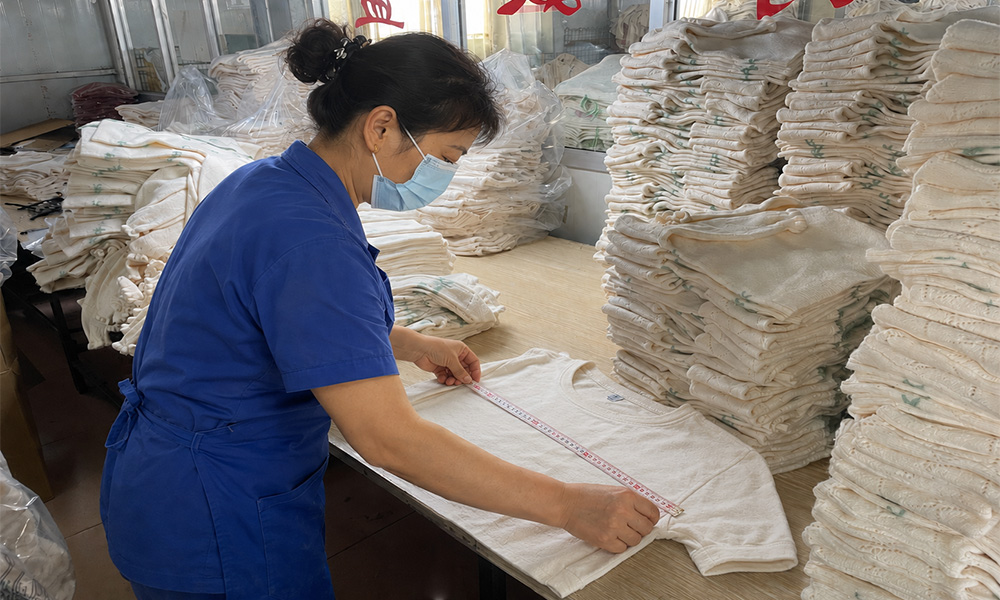
Before bulk production, compile an approval pack that the buyer and production team can use as the same reference. It may include an approved sample, final yarn/color direction, measurement chart, size grading, stitch construction, trims, labels, packing instructions and required inspection criteria.
This is the point to confirm which conditions will be used for measurements—such as after finishing or after an agreed care process. A consistent production standard helps prevent the sample and bulk order from being assessed differently.
Step 9: Control bulk production and quality checkpoints
Quality control works best when it is planned throughout production. Key checkpoints can include material and color review, first bulk-piece approval, in-line measurement checks, workmanship inspection, label verification, packing review and final shipment inspection.
If performance tests are required, agree the method, sample condition, acceptance criteria and timeline before production. A test requirement is not the same as a passing result. Our knitwear quality-control process explains the checkpoints that help protect the approved standard.
Step 10: Confirm packing and shipment readiness
Before shipment, confirm folding method, polybag size, carton dimensions, size/color ratio, carton marks, barcode information, inspection timing and required shipping documents. For chunky or winter knitwear, packing should protect the garment from unnecessary compression and shape loss.
Build inspection, packing and shipment preparation into the production calendar. A knitting completion date is not necessarily a ready-to-ship date. Our knitwear manufacturing page explains how the production route continues beyond knitting.
How to customize sweaters in China: FAQ
Can I customize sweaters in China without a complete tech pack?
Yes. An ODM project can begin with reference images, a product concept, target price and market direction. A clearer brief and measurement information will make costing and sampling more accurate.
What determines the MOQ for custom sweaters?
MOQ depends on the selected yarn, custom color requirements, gauge, stitch complexity, number of colors and sizes, trims, packing and production route. Confirm it after the construction direction is reviewed.
What affects custom sweater cost?
Cost is driven by yarn composition and availability, garment weight, gauge, stitch complexity, quantity, color count, trims, labels, packaging and testing or inspection requirements.
Ready to customize sweaters in China? Contact QITE GARMENTS with your references, target quantity and product requirements to start the development discussion.
Planning a custom knitwear collection? Explore Qite’s custom sweater manufacturing services capabilities for style development, yarn and gauge options, logo applications, sampling, private labels and bulk production.