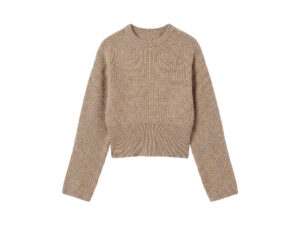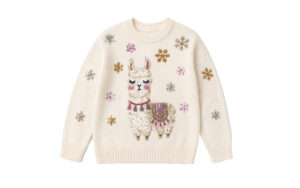
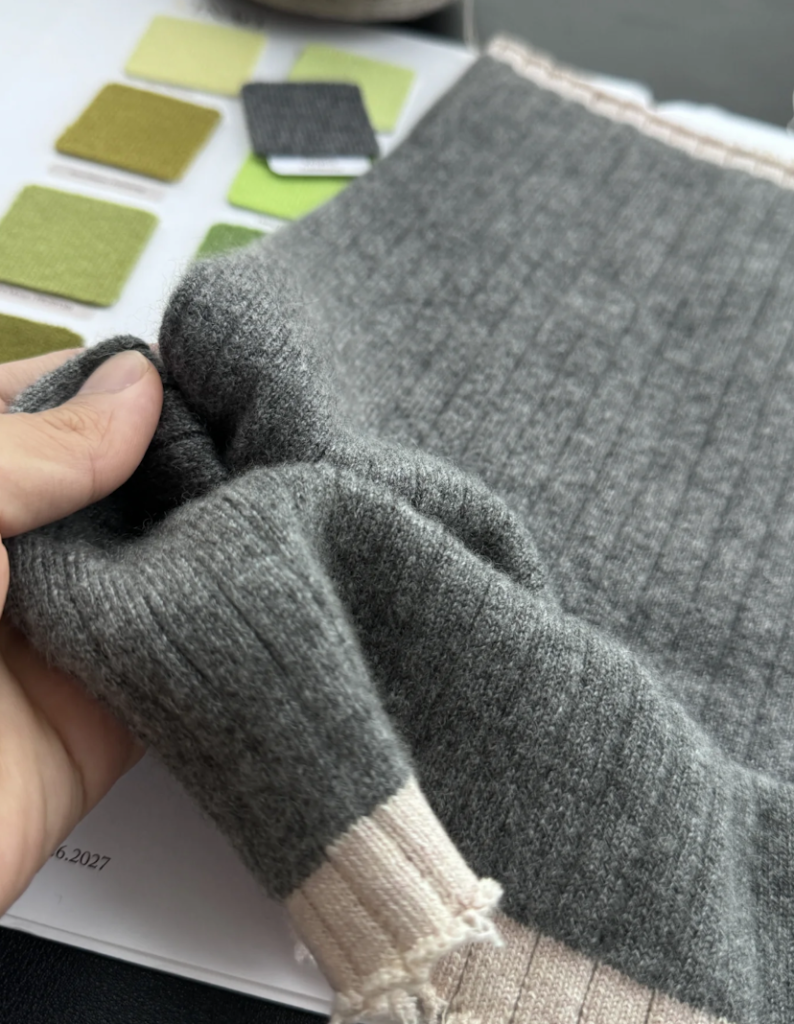
Knitwear manufacturer in China projects depend on a clear sampling stage before bulk production. Knitwear sampling is one of the most important steps in custom sweater development. For fashion brands, wholesalers, importers and private label buyers, a sample is not only used to check appearance. It helps confirm yarn, gauge, hand feel, garment weight, measurements, fit, workmanship, color, labels and bulk production feasibility.
Unlike basic cut-and-sew garments, knitwear is made directly from yarn. This means the final product can change significantly depending on yarn composition, machine gauge, stitch structure, washing and finishing. A clear knitwear manufacturing process helps brands reduce revisions, control costs and make better production decisions before placing a bulk order.
This guide explains the typical knitwear sampling timeline, what affects sample costs and what buyers should check before approving a sample.
Why Knitwear Sampling Matters
A sweater sample gives the buyer and manufacturer a shared production standard. It helps answer several key questions:
- Does the yarn match the desired hand feel?
- Is the gauge suitable for the design?
- Are the measurements and fit correct?
- Is the garment weight suitable for the target season?
- Can the style be produced within the target cost?
- Are trims, labels and packaging practical for bulk production?
For OEM projects, sampling confirms whether the factory can follow the tech pack or original sample accurately. For ODM projects, sampling helps turn reference images or early design ideas into a production-ready garment.
Typical Knitwear Sampling Timeline
The sampling timeline depends on design complexity, yarn availability, color requirements and how complete the buyer’s information is.
A typical process includes:
- Design review
- Yarn and gauge confirmation
- Sample development
- Buyer review
- Sample revision if needed
- Pre-production sample approval
At QITE GARMENTS, sample development usually takes 7-10 days after design references, yarn, gauge, color and measurement details are confirmed. More complex styles, custom-dyed yarns or special trims may need extra time.
What Affects Knitwear Sample Costs?
Knitwear sample cost is not based only on style photos. The manufacturer needs to review the production details before confirming sample cost.
Main cost factors include:
- Yarn composition
- Yarn availability
- Custom dyeing
- Gauge
- Garment weight
- Stitch complexity
- Pattern or artwork
- Number of colors
- Trims and labels
- Sample revision rounds
- Packaging requirements
For example, a simple rib knit top, a chunky cable sweater and a multi-color jacquard cardigan may all be “knitwear,” but their sample cost and development time can be very different.
Step 1: Send Clear Product Information
To make sampling faster and more accurate, buyers should send clear product details at the beginning.
Useful information includes:
- Reference photo or sketch
- Tech pack if available
- Original sample if available
- Size chart
- Yarn direction
- Gauge preference
- Color requirement
- Target order quantity
- Target price
- Label and packaging details
- Delivery deadline
If there is no complete tech pack, reference images and basic product direction can still help the manufacturer review feasibility.
Step 2: Confirm Yarn and Gauge Before Sampling
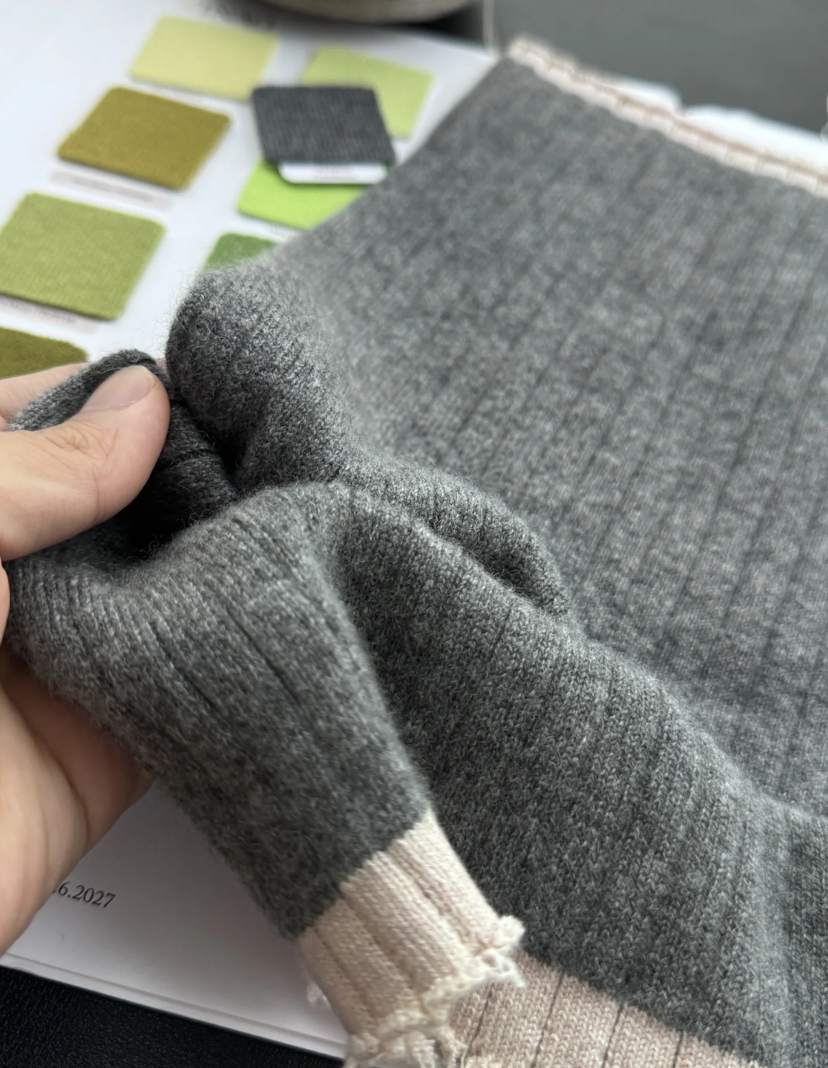
Yarn and gauge are the foundation of knitwear sampling. They affect hand feel, warmth, texture, garment weight, cost and production time.
Before making a sample, buyers should confirm:
- Yarn composition
- Yarn count
- Stock yarn or custom-dyed yarn
- Machine gauge
- Stitch structure
- Target garment weight
- Target season
QITE GARMENTS supports 1GG-16GG knitwear development, covering chunky sweaters, commercial mid-gauge sweaters, fine-gauge knitwear and lightweight knit tops. Buyers can also use our women’s knitwear product categories guide when defining the product type before sampling.
Step 3: Review the First Sample Carefully
When the first sample arrives, buyers should review more than the front appearance.
Check:
- Hand feel
- Garment weight
- Measurements
- Fit
- Neckline shape
- Sleeve length
- Shoulder balance
- Stitch structure
- Color
- Workmanship
- Label position
- Overall finishing
For sweaters, buyers should also check whether the garment keeps its shape after steaming or washing. Knitwear can stretch, shrink or relax after finishing, so fit should be judged carefully.
Step 4: Give Clear Sample Comments
Clear sample comments help reduce development time. General comments such as “make it better” or “adjust the fit” are not enough.
Better comments include:
- Increase body length by 2 cm
- Reduce sleeve width by 1.5 cm
- Make neckline smaller
- Change to softer yarn
- Tighten hem rib tension
- Adjust logo position
- Reduce garment weight
- Match color closer to approved swatch
The clearer the feedback, the easier it is for the factory to revise the sample accurately.
Sample Approval Checklist
Before approving a knitwear sample for bulk production, brands should confirm:
- Final yarn composition
- Gauge and stitch structure
- Color standard
- Size measurements
- Measurement tolerance
- Fit and proportion
- Neckline, cuff and hem finishing
- Workmanship quality
- Label position
- Trim quality
- Washing result if required
- Pilling expectation
- Packaging method
- MOQ and production timeline
The approved sample should become the reference standard for bulk production.
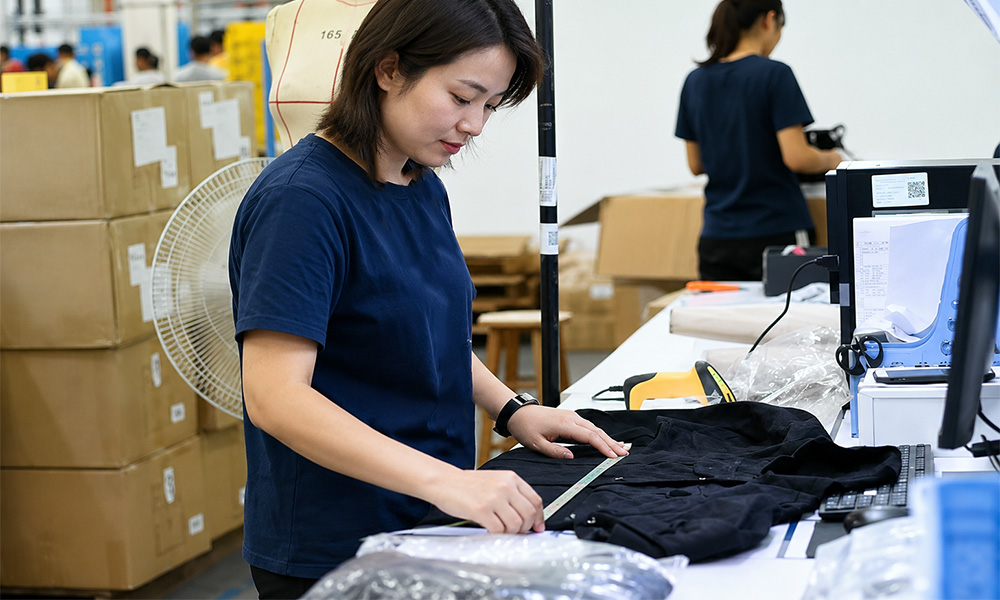
Common Sampling Mistakes
Brands should avoid these common issues:
- Sending only one photo without size or yarn direction
- Asking for exact pricing before confirming garment weight
- Changing yarn after sample approval
- Ignoring measurement tolerance
- Approving a sample before checking wash performance
- Confirming labels too late
- Not discussing MOQ before sampling
- Expecting a complex style to sample like a basic sweater
A good sampling process is not only fast. It should also be accurate and useful for production planning.
How Sampling Connects to Bulk Production
A strong sample should help the buyer decide whether the style is ready for bulk production. Before placing an order, confirm:
- Can the yarn be sourced in bulk?
- Can the factory meet the MOQ?
- Is the gauge suitable for mass production?
- Can measurements be controlled across sizes?
- Are labels and packing details confirmed?
- Is the production timeline realistic?
QITE GARMENTS manages custom knitwear projects through product review, yarn planning, costing, 7-10 day sample development, sample-to-bulk preparation, quality control, packing and export coordination.
Conclusion
Knitwear sampling is a key step between design idea and bulk production. A good sample helps brands confirm yarn, gauge, fit, measurements, color, workmanship, labels, packaging and production feasibility.
For fashion brands and private label buyers, the best way to reduce sample revisions is to send clear product information early, confirm yarn and gauge before sampling, and review each sample with specific comments.
Looking for custom knitwear sampling support? Contact QITE GARMENTS to discuss your design brief, yarn options, sample development, MOQ and bulk production plan. Our custom knitwear OEM and ODM service supports the path from development to shipment.
FAQ
How long does knitwear sampling take?
At QITE GARMENTS, sample development usually takes 7-10 days after design references, yarn, gauge, color and measurement details are confirmed.
What affects knitwear sample cost?
Sample cost depends on yarn, gauge, garment weight, stitch complexity, color count, trims, labels, sample revisions and packaging requirements.
Can I start sampling without a tech pack?
Yes. Reference photos, target yarn, size direction, quantity and target price can support initial ODM development. A full tech pack makes sampling more accurate.
What should buyers check before approving a sweater sample?
Buyers should check yarn, gauge, fit, measurements, hand feel, color, workmanship, labels, trims, washing result, packaging and bulk production feasibility.
Why does knitwear need sample revision?
Revisions may be needed because yarn, fit, measurements, color, hand feel, garment weight or stitch structure needs adjustment before bulk production.
Planning a custom knitwear collection? Explore Qite’s custom sweaters capabilities for style development, yarn and gauge options, logo applications, sampling, private labels and bulk production.