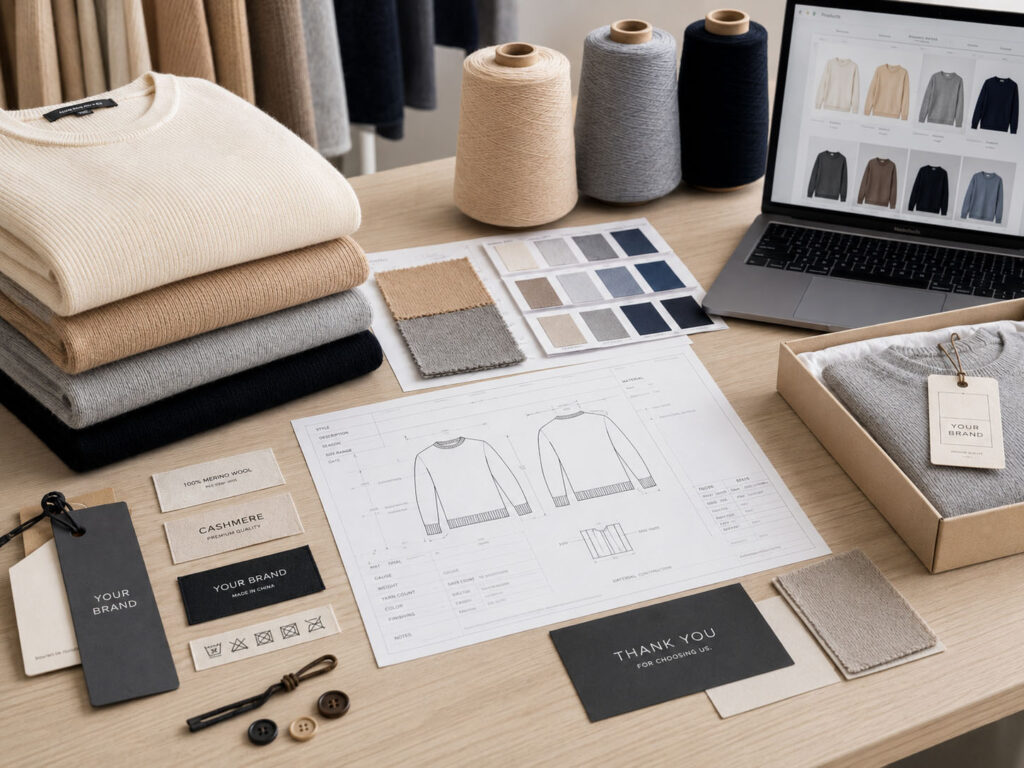
Choosing the right sweater manufacturer in China is one of the most important decisions for a private label knitwear brand. A good supplier can help turn your design ideas into market-ready products. The wrong supplier can create delays, poor fit, unstable sizing, color problems, weak finishing, and unexpected production costs.
Sweaters are more technical than many basic apparel items. The final garment depends on yarn quality, gauge, stitch structure, knitting tension, washing, finishing, linking, measurement control, and packaging. For private label brands, the manufacturer also needs to understand labels, hangtags, packaging, MOQ, sampling, and brand-level quality expectations.
If you are sourcing women’s pullovers, cardigans, sweater vests, knitted dresses, ribbed tops, or Fall/Winter knitwear, this guide explains what buyers should check before choosing a China sweater manufacture partner.
Why China Is Still a Strong Choice for Private Label Knitwear
China remains one of the most established sourcing destinations for knitwear manufacture because of its complete supply chain. Many regions have access to yarn suppliers, dyeing mills, knitting factories, washing facilities, trim suppliers, packaging vendors, and export logistics.
For buyers, this can create several advantages:
- Wider yarn options
- Faster sample development
- Flexible customization
- Strong experience with export orders
- Mature private label support
- Access to both basic and complex sweater styles
- Better coordination between yarn, knitting, finishing, and packing
A China sweater manufacturer can often support different product levels, from affordable acrylic blend sweaters to higher-value wool blend or recycled yarn programs. However, not every factory is suitable for every brand. Buyers need to evaluate capability carefully.
1. Check the Manufacturer’s Knitwear Specialization
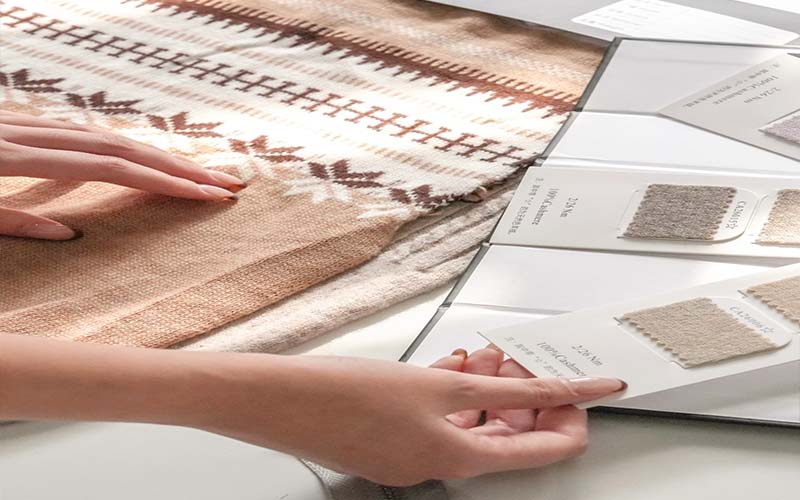
The first step is to confirm whether the supplier is truly experienced in sweaters and knitwear. Some apparel factories may offer sweaters, but their main experience may be T-shirts, hoodies, woven shirts, or outerwear. Knitwear requires different machines, technicians, pattern control, and quality standards.
A professional sweater manufacturer should understand:
- Yarn count and fiber composition
- Knitting gauge
- Stitch structures
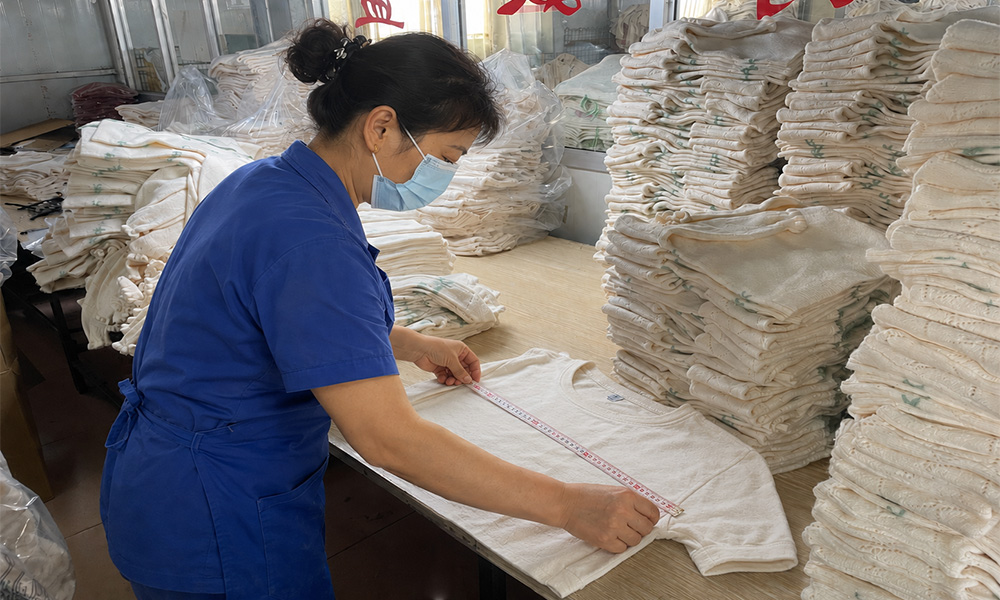
- Sweater measurements
- Linking and seams
- Washing and finishing
- Shrinkage and pilling control
- Private label packaging
Ask the supplier what categories they produce most often. A good OEM women sweater manufacture partner should be able to show examples of pullovers, cardigans, sweater dresses, knitted sets, rib tops, cable sweaters, jacquard sweaters, and other women’s knitwear products.
2. Review Yarn Sourcing Ability
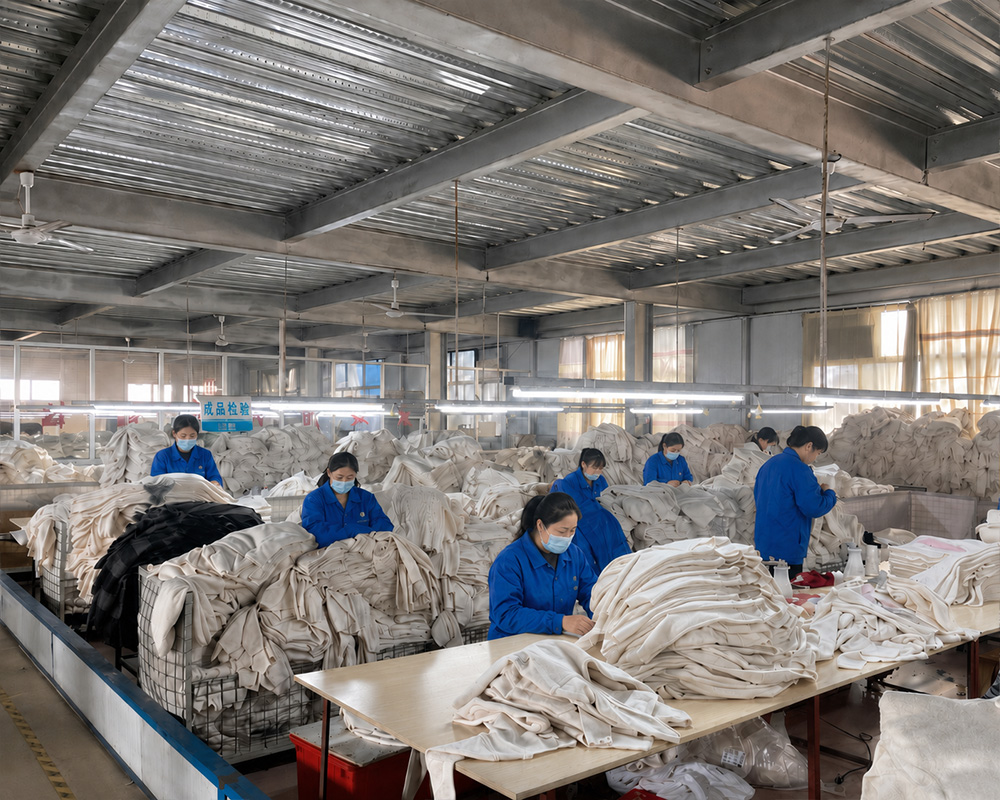
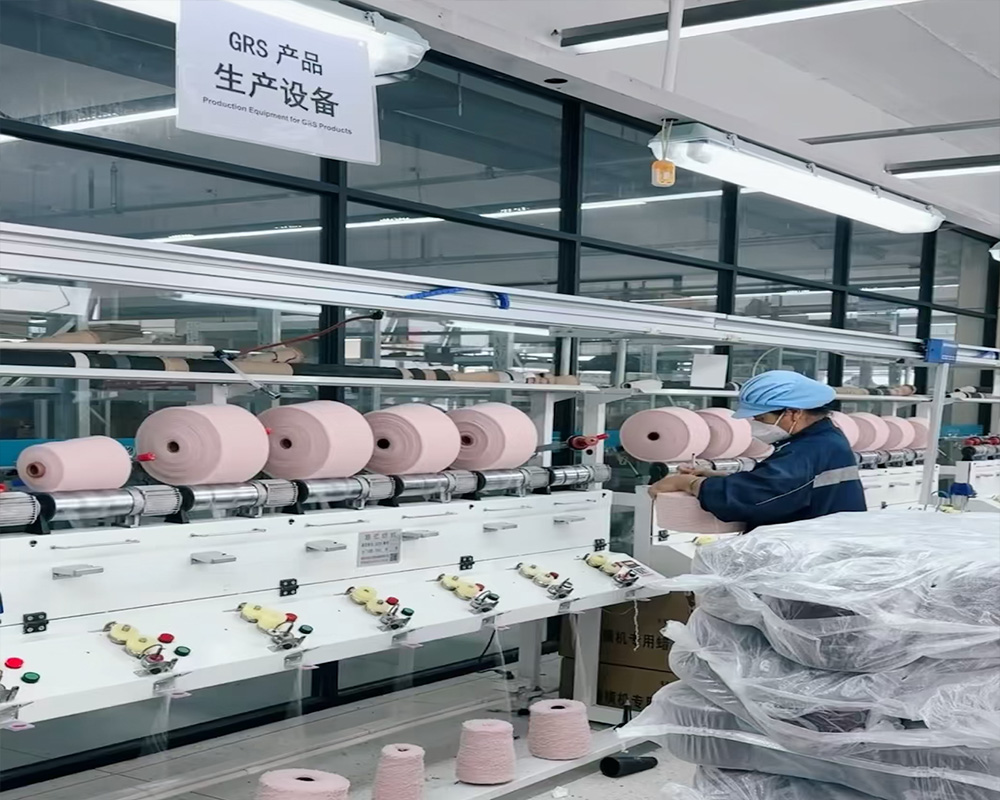
Yarn is the foundation of sweater quality. Before choosing a manufacturer, ask what yarns they can source and whether they work with stable yarn suppliers.
Common yarn options for private label knitwear include:
- Cotton blends
- Viscose blends
- Acrylic blends
- Polyester blends
- Nylon blends
- Wool blends
- Recycled polyester
- Recycled cotton
- Metallic or fancy yarns
- Brushed or fluffy yarns
Different yarns create different price points and product effects. For example, acrylic blends may be suitable for affordable winter sweaters, while wool blends can support a more premium collection. Viscose blends can provide soft drape, while cotton blends may work well for transitional knitwear.
Buyers should also confirm whether the supplier can provide stock yarn options or custom-dyed yarn. Stock yarn usually supports faster sampling and lower MOQ. Custom-dyed yarn gives more control over brand colors but may require longer lead time and higher minimum quantity.
3. Confirm Gauge and Machine Capability
Gauge affects the thickness, weight, texture, and cost of a sweater. A reliable knitwear manufacturer should be able to explain which gauge is best for your design.
Common choices include:
- Fine gauge for lightweight cardigans and fitted knit tops
- Mid-gauge for everyday pullovers and commercial sweaters
- Chunky gauge for heavier Fall/Winter styles
- Special gauge or machine settings for textured designs
If your collection includes cable knit, rib knit, jacquard, pointelle, openwork, or structured stitches, ask whether the factory has experience with those techniques. A factory that only makes basic jersey sweaters may not be the best choice for a design-led private label collection.
4. Evaluate Sampling Quality
Sampling is where you can see the manufacturer’s real ability. A professional supplier should review your tech pack carefully and ask questions before making the first sample.
Before sampling, confirm:
- Yarn composition
- Gauge
- Stitch structure
- Sample size
- Measurement chart
- Color standard
- Label and trim requirements
- Target price
- Expected MOQ
- Delivery timeline
When you receive the sample, check more than appearance. Evaluate handfeel, garment weight, fit, recovery, seams, neckline, rib tension, sleeve shape, body length, and finishing. If possible, test how the sweater looks after steaming, washing, or wearing.
A good sample should help you make production decisions. If the factory cannot control the first sample, bulk production may also be risky.
5. Ask About MOQ Before Development
Minimum order quantity is one of the most important points for private label brands. MOQ can vary depending on yarn type, color, style complexity, and customization level.
In general:
- Stock yarn styles may allow lower MOQ
- Custom-dyed yarn usually requires higher MOQ
- Multiple colors may increase total order quantity
- Complex jacquard or special stitch styles may require more setup
- Private label trims and packaging may have separate MOQ
Before investing time in sample development, ask the manufacturer for MOQ by style and color. This helps avoid developing a sweater that looks good but cannot be produced within your budget or order plan.
6. Check Private Label Support
For private label knitwear, production is not only about the sweater itself. Your manufacturer should also support branding and packaging.
Ask if they can provide:
- Main labels
- Size labels
- Care labels
- Hangtags
- Barcode stickers
- Custom polybags
- Carton marks
- Folded or hanger packing
- E-commerce packaging
- Retail-ready packaging
Also confirm whether they can follow your brand’s care label requirements and fiber content rules. If you sell in the US, EU, UK, or other regulated markets, labeling accuracy is important.
7. Understand Quality Control Standards
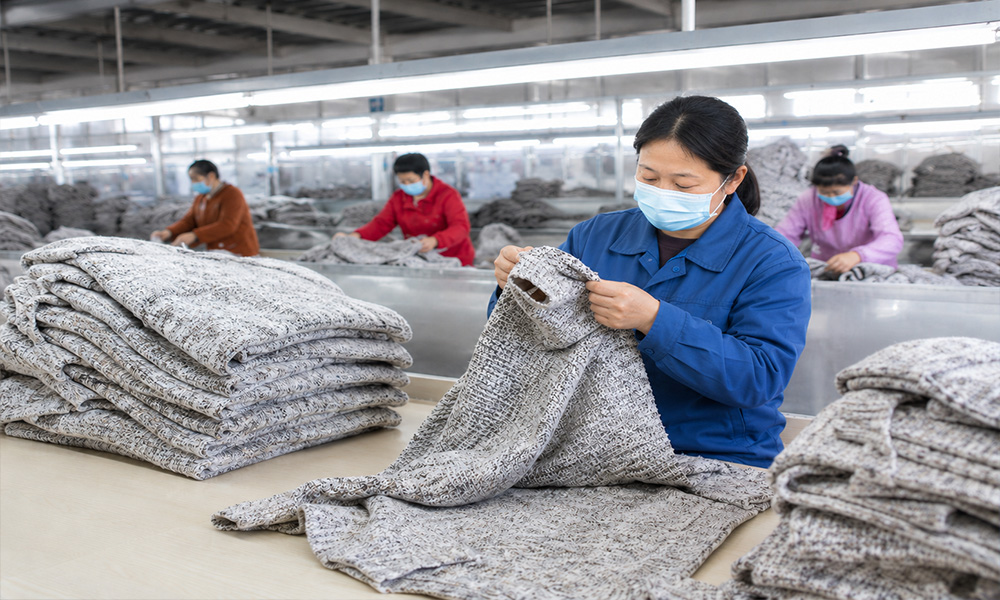
Sweaters need careful quality control because knitwear can stretch, shrink, twist, pill, or lose shape if production is not well managed.
Important inspection points include:
- Measurement tolerance
- Color consistency
- Stitch defects
- Dropped stitches
- Loose yarns
- Seam strength
- Neckline shape
- Rib recovery
- Shrinkage after washing
- Pilling resistance
- Handfeel
- Odor
- Label placement
- Packing quality
Ask the manufacturer how they inspect goods during production and before shipment. For larger orders, buyers may also arrange third-party inspection before final payment or shipment.
8. Confirm Compliance and Documentation
More buyers now expect suppliers to provide basic compliance support. This is especially important if you sell to larger retailers, online platforms, or international markets.
Depending on your market, you may need:
- Fiber composition records
- Care label information
- Material certificates
- Recycled yarn certificates
- Factory audit reports
- Chemical compliance documents
- Social compliance information
- Country of origin documents
The OECD garment and footwear due diligence guidance emphasizes responsible supply chain risk management. For private label buyers, this means supplier selection should include transparency and documentation, not only product price.
9. Compare Communication Quality
Good communication is one of the strongest signs of a reliable manufacturer. During early discussion, pay attention to how the supplier responds.
A strong supplier will usually:
- Ask clear technical questions
- Explain yarn and gauge options
- Warn you about possible production risks
- Give realistic MOQ and lead time
- Provide structured sample comments
- Confirm details in writing
- Respond consistently during development
Be careful if a supplier agrees to everything too quickly without asking questions. In sweater manufacture, technical details matter. A factory that does not clarify details before sampling may create problems later.
10. Review Lead Time and Production Planning
Private label knitwear often has seasonal deadlines. Fall/Winter sweaters need to arrive before the selling season, not after it starts.
Ask your manufacturer for a full timeline covering:
- Yarn sourcing
- Lab dips
- First sample
- Fit sample
- Pre-production sample
- Bulk yarn preparation
- Knitting
- Linking
- Washing and finishing
- Final inspection
- Packing
- Shipment
A clear timeline helps buyers plan product launches, photoshoots, wholesale appointments, and inventory delivery.
Questions to Ask Before Choosing a China Sweater Manufacturer
Before placing an order, buyers should ask:
- What types of women’s sweaters do you produce most often?
- What gauges can you make?
- Can you source stock yarn and custom-dyed yarn?
- What is your MOQ by style and color?
- Can you support private label packaging?
- How do you control shrinkage and pilling?
- Do you provide pre-production samples?
- What is your normal bulk production lead time?
- Can you provide product photos or previous samples?
- Do you support third-party inspection?
- What documents can you provide for export orders?
These questions help you understand whether the supplier is suitable for your brand’s quality level, order size, and delivery needs.
Final Thoughts
Choosing a sweater manufacturer in China for private label knitwear requires more than comparing prices. Buyers should evaluate yarn sourcing, gauge capability, sampling quality, MOQ, private label support, quality control, compliance, communication, and delivery planning.
A reliable partner in sweater manufacture and knitwear manufacture can help your brand reduce risk, improve product consistency, and build stronger collections. Whether you are developing custom women’s sweaters, OEM cardigans, knitted dresses, or seasonal Fall/Winter knitwear, the right manufacturer should act as a production partner, not just a factory.
Looking for a China sweater manufacturer for your private label knitwear collection? Contact us to discuss custom yarns, sampling, MOQ, labels, packaging, and bulk production for your next sweater program.
FAQ
How do I choose a sweater manufacturer in China?
Choose a manufacturer with real knitwear experience, strong yarn sourcing ability, suitable gauge machines, clear sampling process, reasonable MOQ, private label support, and reliable quality control.
What is the MOQ for private label sweaters?
MOQ depends on yarn, color, gauge, style complexity, and packaging requirements. Stock yarn usually allows lower MOQ, while custom-dyed yarn often requires higher quantity.
Can a China sweater manufacturer make custom women’s sweaters?
Yes. Many OEM sweater manufacturers in China can produce custom women’s pullovers, cardigans, sweater vests, knitted dresses, rib tops, jacquard sweaters, and private label knitwear.
What should I prepare before contacting a sweater factory?
Prepare design photos, tech pack, size chart, yarn preference, target price, order quantity estimate, color requirements, label details, and delivery schedule.
Why is sampling important in knitwear manufacture?
Sampling confirms yarn, gauge, stitch, fit, handfeel, measurements, finishing, and cost before bulk production. It helps buyers avoid production problems later.