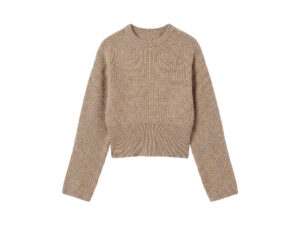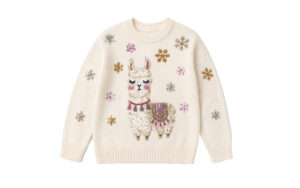
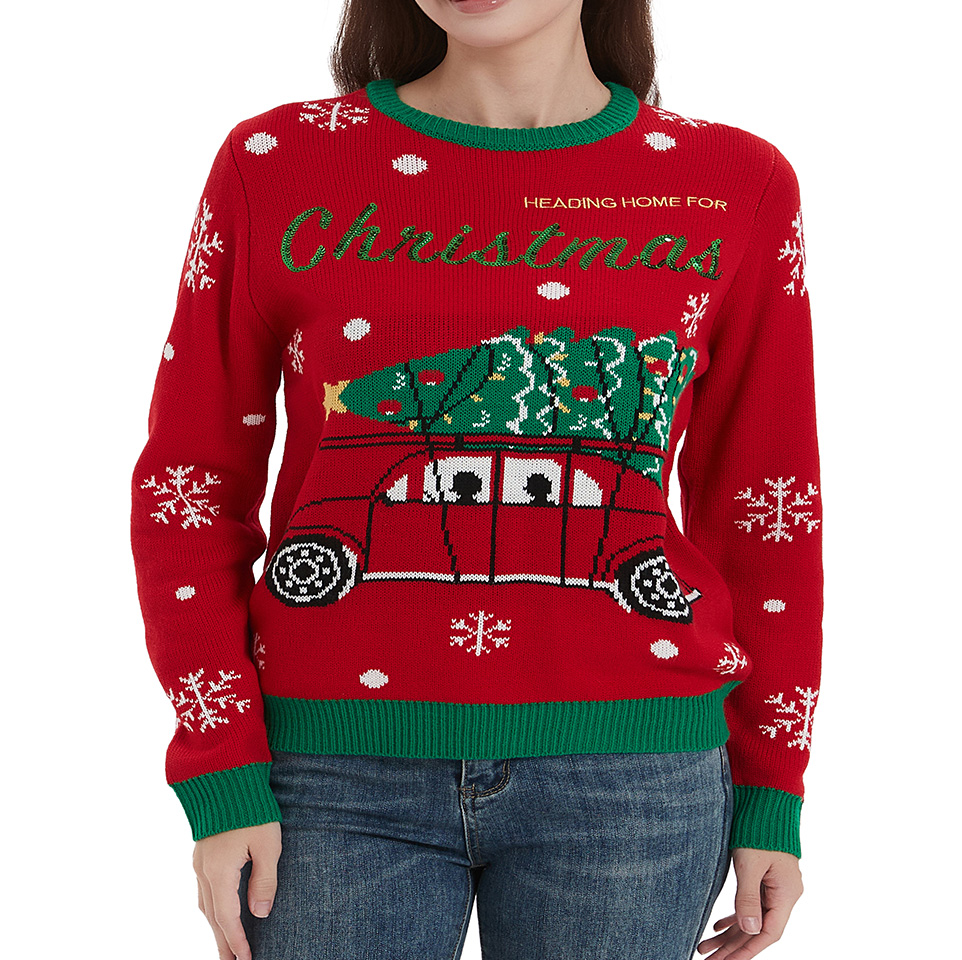
For retailers working with a knitwear manufacturer in China, ugly Christmas sweaters remain a reliable seasonal category because they combine gifting, party dressing, family matching, workplace events, and social-media-friendly novelty. For retailers, the opportunity is not simply to buy louder graphics. It is to build an assortment with the right mix of commercial designs, wearable yarn qualities, price points, and order quantities.
For the 2026 holiday season, the strongest custom Christmas sweater programs are likely to balance recognizable festive icons with more styled, collectible, and giftable details. Retailers should plan earlier than they think, especially when using custom jacquard artwork, specialty yarns, embroidery, pom-poms, sequins, or small-batch color programs.
This guide covers practical 2026 ugly Christmas sweater design directions, yarn choices, MOQ considerations, and the supplier questions retailers should confirm before sampling.
What Is Changing in Ugly Christmas Sweaters for 2026?
The original appeal of an ugly Christmas sweater is still intact: oversized motifs, playful color clashes, festive humor, and visual excess. But retailers now need more range than one generic novelty pullover.
For 2026, a well-planned collection can combine four product directions:
| Product Direction | Commercial Role | Typical Details |
|---|---|---|
| Classic novelty | Broad seasonal volume | Reindeer, snowflakes, Santa, Christmas trees, candy canes |
| Statement party knit | Higher perceived value | Metallic yarn, jewel tones, embellished motifs, dramatic intarsia |
| Wearable festive knit | Lower return risk | Tonal motifs, smaller embroidery, subtle jacquard, refined color blocks |
| Group and gifting styles | Event and online sales | Couple sets, family matching, pet-owner themes, workplace humor |
Trend reports can guide initial color and styling direction, but retailers should use their own sales data to decide the final design mix. A fashion-forward boutique may sell embellished party sweaters, while a promotional retailer may need graphic-led styles at accessible price points.
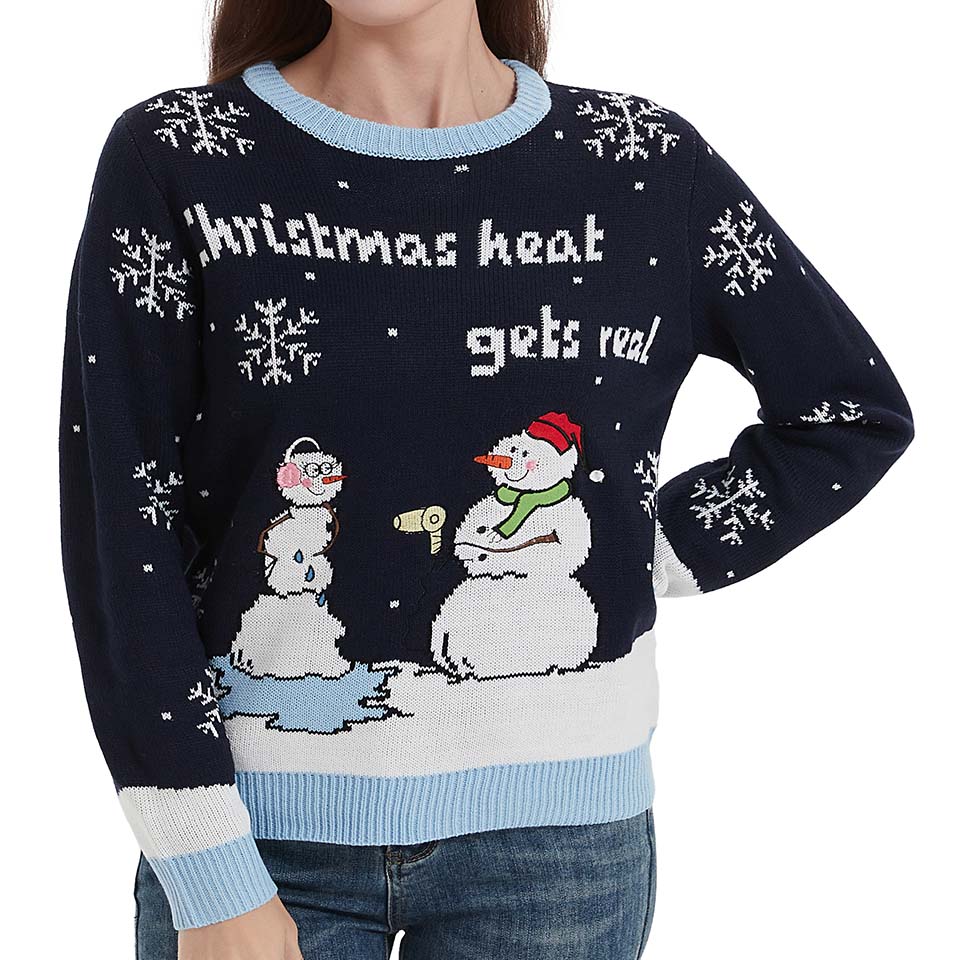
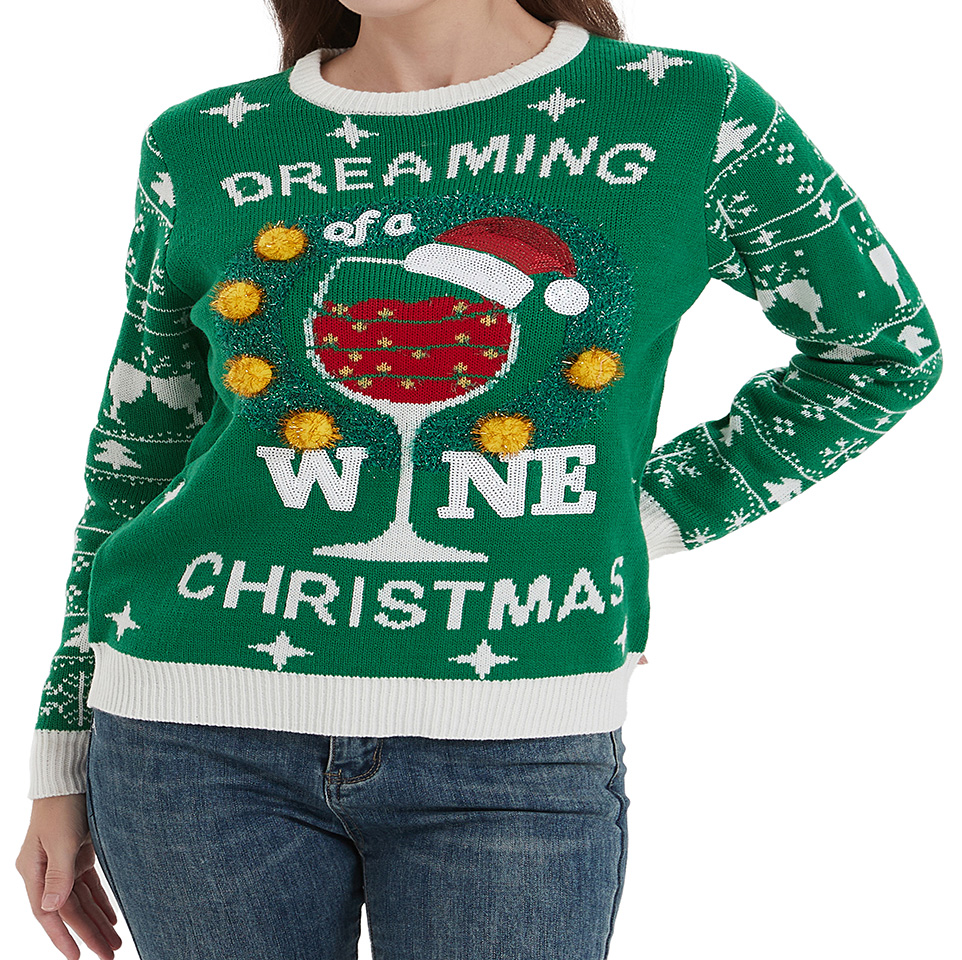
2026 Design Directions Retailers Can Develop
1. Elevated Maximalism
A strong 2026 direction is festive maximalism with a more polished finish. Instead of relying only on cartoon graphics, brands can develop sweaters with oversized bows, stars, ornaments, chandeliers, winter florals, metallic accents, or jewel-inspired motifs.
Suitable techniques include:
- Intarsia for larger color-blocked artwork
- Jacquard for repeating motifs and all-over patterns
- Hand-feel yarn contrasts, such as boucle against smooth yarn
- Metallic yarn used as an accent rather than throughout the garment
- Embroidery or appliqué added after knitting
- Small pearls, sequins, or pom-poms for limited party styles
These details can increase perceived value, but they should be used selectively. Heavy embellishment affects labor cost, inspection time, packing requirements, and the risk of damage in transit.
2. Nostalgic Holiday Graphics
Nostalgia continues to work well in holiday knitwear because it creates instant recognition. Retailers can refresh familiar themes with retro color palettes, pixel-style artwork, vintage postcard motifs, ski-resort references, or 1980s-inspired patterns.
Examples include:
- Retro red, pine green, cream, and cobalt combinations
- Pixel reindeer and arcade-inspired snow scenes
- Vintage-style Christmas ornaments
- Ski lodge stripes and alpine patterns
- Checked borders mixed with snowflakes
- Throwback holiday slogans with original artwork
When using words, characters, logos, or recognizable visual references, retailers should confirm that all artwork is original or properly licensed. A factory can execute an approved knit design, but the buyer remains responsible for intellectual-property clearance.
3. Rich Color Stories Instead of Only Red and Green
Red and green will always have a place in Christmas sweater programs. However, retailers can create a more varied range by adding deep burgundy, midnight blue, cool blue, silver grey, ivory, plum, emerald, or warm pink accents.
A useful strategy is to group styles into mini color stories:
- Traditional: red, green, white, and gold
- Winter night: navy, cool blue, silver, and white
- Party jewel: burgundy, emerald, plum, and metallic gold
- Soft gifting: cream, blush, pale blue, and muted red
This approach helps online stores create a more cohesive collection and gives customers alternatives to the traditional bright novelty look.
4. Wearable “Not Too Ugly” Sweaters
Not every customer wants a sweater that can only be worn once. A wearable festive knit can extend the selling period from November through January and may reduce the risk of end-of-season markdowns.
For this category, consider:
- Small chest embroidery or badge motifs
- Tonal cable-knit Christmas trees
- Minimal snowflake jacquard
- Striped crewnecks with a subtle festive border
- Neutral sweaters with metallic yarn details
- Cardigans with holiday-shaped buttons
These styles may not attract attention in the same way as an oversized 3D reindeer sweater, but they can appeal to customers shopping for office events, family dinners, and winter gifting.
Choosing the Right Yarn for a Christmas Sweater
The yarn should match the target retail price, garment look, market climate, and expected wear frequency.
Acrylic and Acrylic Blends
Acrylic remains common in novelty Christmas sweaters because it is cost-effective, color-friendly, warm, and suitable for bold jacquard patterns. It is often used for high-volume promotional or value-focused programs.
Buyers should still request samples to evaluate softness, pilling, stretch recovery, and wash performance. Low-quality acrylic yarn can create a harsh hand feel or excessive pilling.
Cotton Blends
Cotton blends work well for lighter-weight holiday knits, especially for warmer markets or customers who prefer a less bulky sweater. Cotton can also support more casual, wearable festive styles.
However, cotton knitwear may require careful shrinkage and shape-retention testing. It is not automatically the best choice for a heavy, structured, all-over novelty jacquard.
Wool and Wool Blends
Wool blends can give Christmas sweaters a premium hand feel and better warmth. They are suitable for boutique collections, gift-focused products, and higher-price party knits.
The trade-off is higher yarn cost, more careful care-label planning, and possible sensitivity concerns for some consumers. A wool blend may also require a longer material confirmation process if a specific certified or specialty yarn is requested.
Recycled and Specialty Yarns
Recycled polyester, recycled cotton blends, recycled wool, and other specialty yarns can support a more responsible product story when the composition and documentation are clear. Retailers should avoid broad environmental claims unless the supplier can provide evidence appropriate to the claim.
For any yarn, ask the manufacturer to confirm:
- Fiber composition
- Yarn count and proposed gauge
- Color availability
- Bulk yarn minimums
- Pilling and wash-test expectations
- Certification or traceability documents, when required
- Whether sample yarn and bulk yarn will come from the same source
MOQ Planning for Ugly Christmas Sweaters
MOQ is one of the most important decisions in a seasonal program. Ordering too little can make custom development expensive. Ordering too much can leave the retailer with holiday stock after the selling window closes.
For a fully custom ugly Christmas sweater, MOQ depends on:
- Yarn type and yarn supplier minimums
- Number of colors in the knit design
- Gauge and garment weight
- Jacquard or intarsia complexity
- Embroidery, appliqué, pom-poms, lights, or other decorations
- Size range and colorways
- Packaging requirements
- Whether the style uses stock yarn or specially dyed yarn
A practical order structure for retailers is often to place larger quantities on a few core designs, then use lower-risk quantities for fashion-led or heavily embellished styles.
For example:
- Core reindeer or snowflake pullover: higher volume
- Refined festive cardigan: medium volume
- Statement 3D or embellished party sweater: controlled volume
- Matching family or event style: quantity based on confirmed channel demand
At QITE GARMENTS, standard knitwear MOQ generally starts from around 500 pieces per style, with final requirements depending on yarn, gauge, colorways, trims, and packing details. Retailers should confirm the MOQ at the quotation stage rather than assuming that one quantity applies to every Christmas sweater design.
Sample Before You Commit to Bulk Production
A reference image is useful, but it cannot show the actual hand feel, yarn thickness, garment weight, fit, or execution quality. Sampling is essential for holiday knitwear because complex motifs and decorative elements can look very different once knitted.
Before approving a sample, check:
- Artwork placement and motif clarity
- Color matching and contrast
- Neckline, body length, sleeve shape, and overall fit
- Gauge and garment weight
- Surface quality, loose yarns, and inside finishing
- Pilling risk and wash performance
- Embellishment security
- Measurement tolerances
- Label, hangtag, and packaging details
For sweaters with lights or electronic elements, retailers should seek suitable product-safety guidance and testing for their destination market. For most apparel styles, avoid adding complicated electronic features unless the sales value clearly justifies the added compliance and quality-control workload.
Build a Realistic 2026 Buying Calendar
Christmas sweaters are seasonal products, so late approvals can sharply limit design options. Custom yarn colors, jacquard programming, embellishment sourcing, and bulk production all require time.
A typical planning sequence looks like this:
- Design brief and quotation: confirm target price, quantity, design direction, and market.
- Yarn and technique review: choose composition, gauge, artwork method, and color options.
- Sample development: review fit, artwork, hand feel, and workmanship.
- Revision and approval: lock the tech pack, labels, packaging, and production specifications.
- Bulk yarn booking and production: begin only after final approval and order confirmation.
- Inspection and shipment preparation: check measurements, workmanship, labels, packing, and carton marks.
QITE GARMENTS can support custom Christmas sweater development from design references and tech packs through sampling, bulk production follow-up, quality control, and export coordination. Explore our OEM/ODM sweater manufacturing service for more details about yarn selection, sampling, private-label development, and production planning.
Supplier Questions Retailers Should Ask
Before placing an ugly Christmas sweater order, ask the supplier:
- Which knitting technique is best for this artwork: jacquard, intarsia, embroidery, or appliqué?
- How many yarn colors can be used without making the design commercially impractical?
- What yarn options meet the target price and hand-feel requirement?
- What is the MOQ for this exact yarn, colorway, and design?
- Can the factory create a pre-production sample before bulk knitting?
- How will the factory inspect 3D decorations, embroidery, sequins, or buttons?
- Can the supplier support required testing and destination-market labels?
- What is the realistic production timeline after sample approval?
- What packing method will protect the sweater and decorations during shipping?
Clear answers to these questions help retailers avoid the usual problems: a sample that cannot be repeated in bulk, an unexpected yarn surcharge, weak embellishment attachment, or a delivery date that misses the selling season.
Conclusion
The best ugly Christmas sweater collections for 2026 will be memorable without being random. Retailers should balance high-volume classic designs with more refined festive knits, statement party pieces, and controlled-risk novelty styles.
Start with a clear commercial brief, choose yarn based on both appearance and performance, confirm MOQ by style, and approve a physical sample before bulk production. That creates a more reliable route from seasonal concept to sellable holiday stock.
For a custom Christmas sweater quotation, sample request, or private-label knitwear project, contact QITE GARMENTS with your design references, target quantity, preferred yarn, destination market, and requested delivery window.
FAQ
What is a good MOQ for a custom ugly Christmas sweater?
MOQ depends on yarn, gauge, design complexity, colorways, and decorations. For many OEM knitwear projects, the starting point may be around 500 pieces per style, but the final MOQ should be confirmed for the exact design.
Which knitting technique is best for Christmas sweater graphics?
Jacquard is often suitable for repeating or multi-color patterns. Intarsia is useful for larger color-blocked motifs. Embroidery, appliqué, pom-poms, and sequins can add texture, but also increase labor and inspection requirements.
When should retailers start sourcing Christmas sweaters for 2026?
Begin design and supplier discussions as early as possible. The timeline should allow for yarn confirmation, sampling, revisions, bulk production, quality inspection, and shipment before the intended holiday sales period.
Can I use recycled yarn for an ugly Christmas sweater?
Yes, provided the yarn is suitable for the design and performance requirements. Confirm the exact recycled-fiber content, supporting documents, bulk availability, and how the product claim will be described.
Planning a custom knitwear collection? Explore Qite’s custom-made sweaters capabilities for style development, yarn and gauge options, logo applications, sampling, private labels and bulk production.