A men’s sweater can match several numbers on a measurement chart and still fit incorrectly. The shoulder may sit too wide, the neckline may feel tight, or the sleeve may become disproportionate in larger sizes. A dependable men’s sweater fit and size grading process connects the intended customer, base-size sample, points of measure, grading rules, tolerances and bulk inspection.
This guide is written for brands, wholesalers and importers developing men’s custom sweaters. For an overview of available programs and factory capabilities, visit QITE’s men’s knitwear manufacturer page.
Define the Intended Men’s Sweater Fit First
Before mens sweater manufacturers grade a style, the buyer should define its silhouette and end use. “Regular fit” is not a universal standard: one brand may prefer a neat shoulder and controlled chest, while another expects more layering ease. State the target customer, reference size, wearing occasion and intended base layer.
| Fit direction | Development focus |
|---|---|
| Slim fit | Controlled chest, armhole and sleeve without restricting movement |
| Regular fit | Balanced ease, standard length and a natural shoulder position |
| Relaxed fit | More body and sleeve ease without accidental extra length |
| Oversized fit | Deliberately wider shoulders, body and sleeves with planned proportions |
| Layering fit | Space for a shirt or T-shirt under the sweater |
A fine-gauge office pullover, a heavy cable knit and a quarter-zip golf sweater should not use identical grading logic. Yarn, gauge, stitch structure, rib recovery and garment weight all influence how the finished product sits on the body.
Core Measurement Points for Men’s Custom Sweaters

Every point of measure needs a clear name, diagram and measuring method. For example, sleeve length may be measured from the shoulder seam, center back neck or another construction point. Mixing methods creates false differences between the sample, specification and inspection report.
| Point of measure | Why it matters |
|---|---|
| Chest width | Controls body ease and overall fit |
| Body length | Defines regular, cropped or longline proportion |
| Shoulder width | Affects shoulder position and upper-body balance |
| Sleeve length | Must coordinate with shoulder construction |
| Bicep and cuff | Support movement and intended sleeve shape |
| Armhole depth | Influences mobility and sleeve balance |
| Neck width and drop | Control comfort and neckline appearance |
| Hem width | Affects body shape and rib tension at the waist |
How Men’s Sweater Size Grading Should Work
Size grading is not simply adding the same number to every measurement. Each point changes according to body growth, design proportion and garment construction. Chest width may increase steadily while neck width changes more slowly. Body and sleeve length often need smaller increments than circumference measurements.
- Choose a base size: commonly the fit-development size used for the first complete approval.
- Approve proportions: confirm shoulder, chest, length and sleeve balance on the base sample.
- Define increments: list the change between adjacent sizes for every measurement.
- Check boundary sizes: review the smallest and largest sizes for proportion and construction feasibility.
- Control artwork: decide whether logos, intarsia or jacquard motifs remain fixed or scale by size.

For oversized styles, do not let grading create uncontrolled growth. A wide shoulder may be intentional, but adding too much body length and sleeve volume can change the designed silhouette. For slim styles, ensure the grade preserves movement rather than only reducing width.
Yarn, Gauge and Finishing Affect Measurements
Knitwear dimensions can change during linking, washing, steaming and finishing. Natural fibers, blends and textured yarns respond differently to moisture, heat and handling. A specification should therefore identify whether measurements are taken before or after finishing and how the sample is conditioned before review.
Gauge and stitch structure also matter. Rib structures stretch differently from plain jersey; cables can draw the fabric inward; heavy jacquard can change drape; and loose structures may grow in length. These factors should be reviewed during the knitwear manufacturing process, not treated only as inspection problems at the end.
Set Practical Measurement Tolerances
A tolerance is the permitted difference from the target measurement; it is not an alternative grading rule. Critical points may require tighter control, while less critical measurements can allow a practical manufacturing range. The acceptable limit should reflect yarn behavior, knit structure, gauge and the effect on fit.
- Mark high-impact points such as chest, body length and sleeve length.
- Use one agreed unit of measurement throughout the tech pack.
- State whether the tolerance applies in one direction or as a plus/minus range.
- Do not hide an incorrect grade behind a generous tolerance.
- Define how out-of-tolerance garments will be assessed during bulk inspection.
Fit Sample and Size-Set Approval
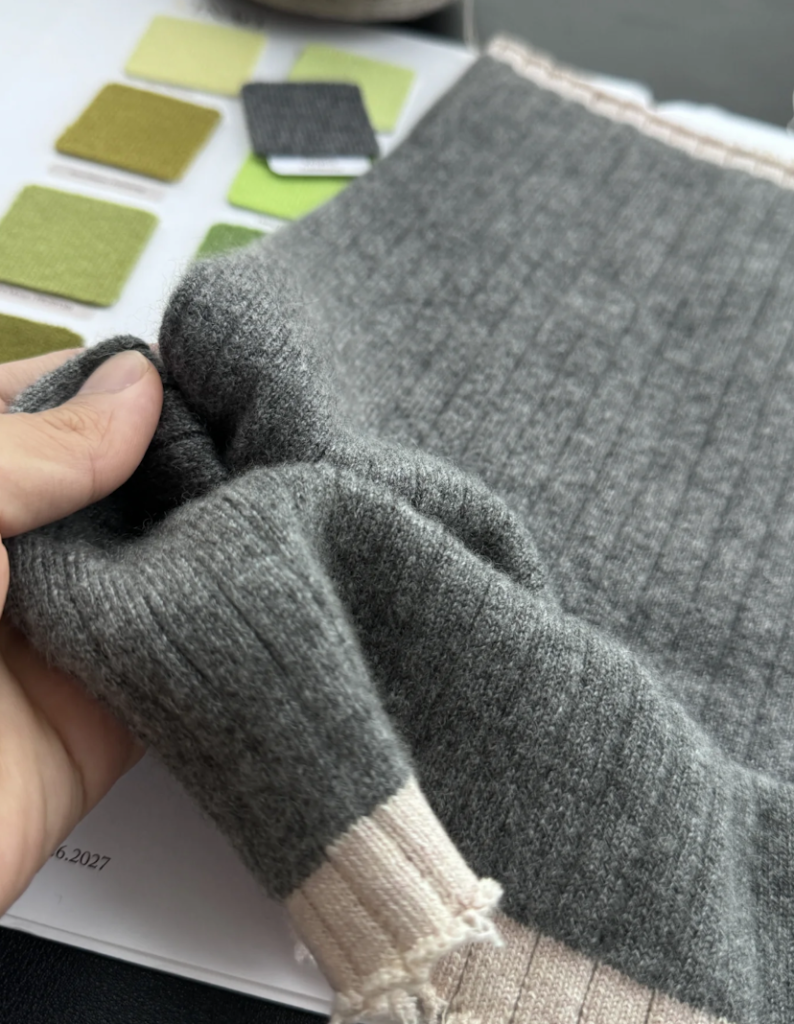
The first development sample may focus on appearance and construction. The fit sample should use the intended measurements and a representative yarn or structure. After the base fit is approved, a size set can confirm whether the grading works across selected sizes before bulk production.
- Measure the garment using the agreed method.
- Compare actual measurements with the specification and tolerance.
- Review the garment on the appropriate model or form.
- Check mobility, neckline comfort, sleeve balance and layering ease.
- Record every approved change rather than relying on email descriptions alone.
- Issue a dated final chart and keep an approved reference sample.
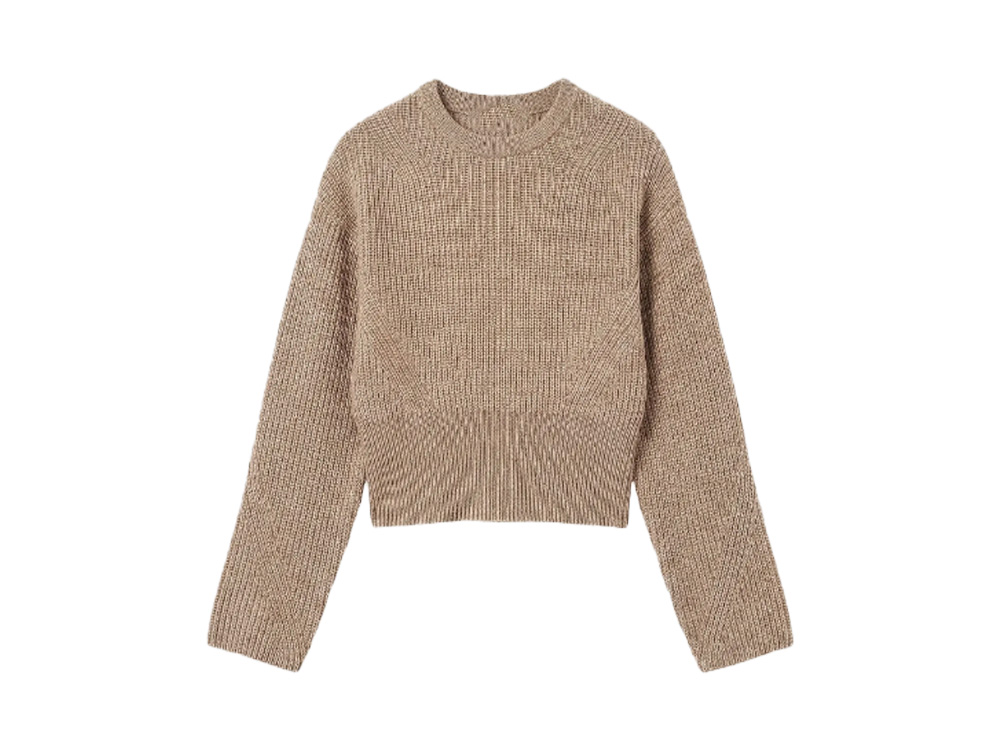
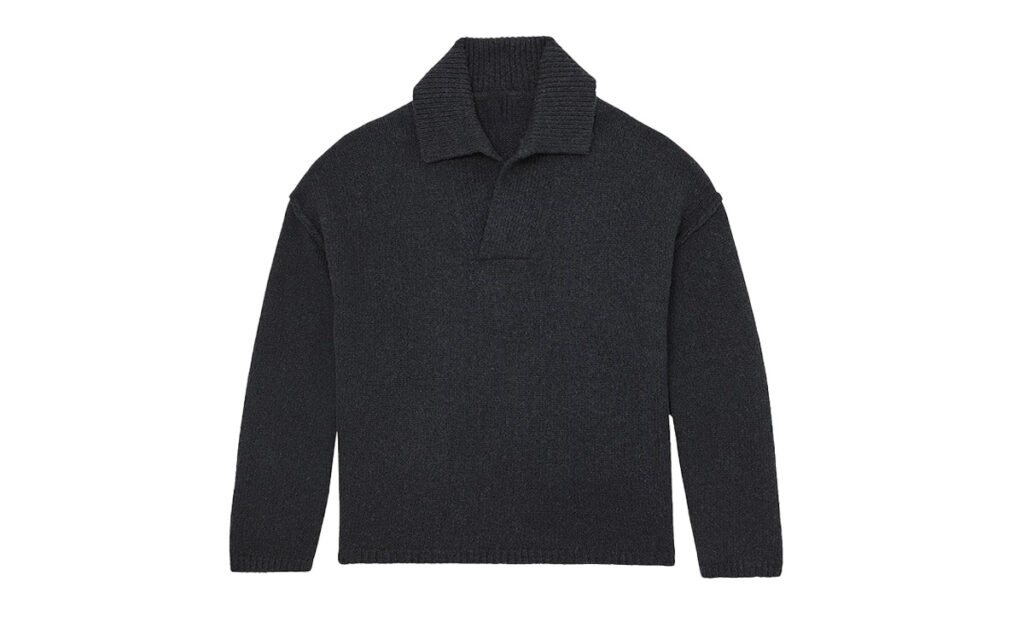
Different men’s categories need different checks. Crewnecks require neckline and shoulder balance; cardigans need front alignment and placket stability; knitted polos require collar and opening control; quarter-zips must hang evenly both open and closed. QITE’s custom sweaters page shows the wider range of silhouettes that may require style-specific measurements.
Bulk Measurement and Quality Control

Bulk production should be checked against the approved specification, tolerance and reference sample. The inspection plan should cover a representative quantity and size range. Measurements should be reviewed together with shade, workmanship, seams, rib recovery, trims, labels and packing.
When a measurement fails, assess the pattern: one isolated garment, one size, one color or the entire production lot may be affected. QITE’s sweater quality-control process explains the broader inspection framework used before packing and shipment.
Buyer Checklist Before Approving Men’s Sweater Sizes
- Target customer and intended fit are written clearly.
- Base size and full size range are confirmed.
- Every point of measure has an unambiguous method.
- Grade increments are listed by measurement.
- Tolerances are realistic and separately stated.
- Yarn, gauge, stitch structure and finishing match the approved direction.
- Logo and pattern placement are checked across sizes.
- Fit comments are incorporated into a dated final specification.
FAQ: Men’s Sweater Fit and Size Grading
Should every size use the same grade increment?
Not necessarily. The grade should reflect the brand’s size system, target customer and garment design. Some measurements may change differently at the ends of a wide size range.
Is a measurement chart enough to approve fit?
No. Measurements are essential, but fit also requires checking proportion, movement, drape and comfort on the intended body or form.
When should the size set be approved?
After the base-size fit and grading rules are stable, and before full bulk production. The exact sequence depends on the project and agreed development process.
Develop Men’s Custom Sweaters With QITE
QITE GARMENTS develops custom sweaters and private-label knitwear for brands, wholesalers and importers. Projects are reviewed according to yarn, gauge, construction, quantity and available production resources. Buyers can also review QITE’s OEM and private-label services.
Contact QITE with your tech pack, size chart, fit reference, target quantity and delivery window.