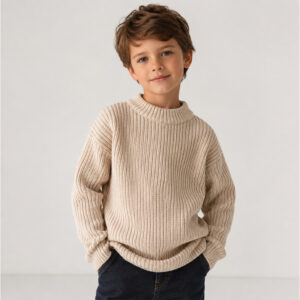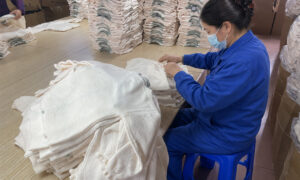
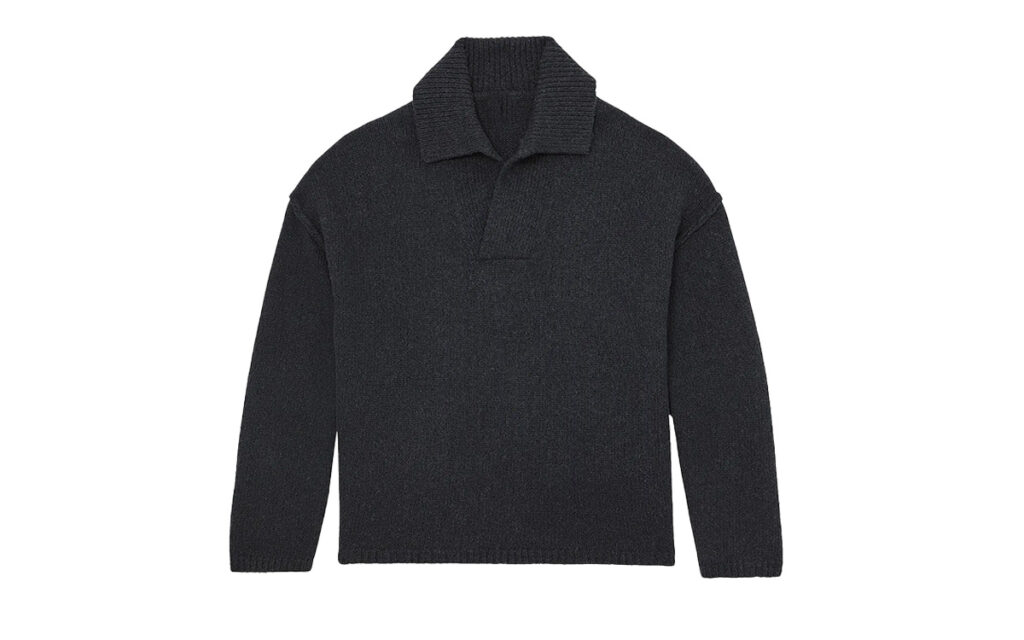
An office polo knit, a weekend cable sweater and a premium gifting crewneck may sit beside each other in a men’s collection. Asking for the same “soft wool blend” across all three can leave the range without a clear reason for each product to exist.
This men’s sweater material guide compares wool, cotton, cashmere and blended yarns as product-development choices, not a league table of good and bad fibres. For buyers building a men’s knitwear range, the aim is to decide what each garment must do and which material candidates are worth developing for that role.
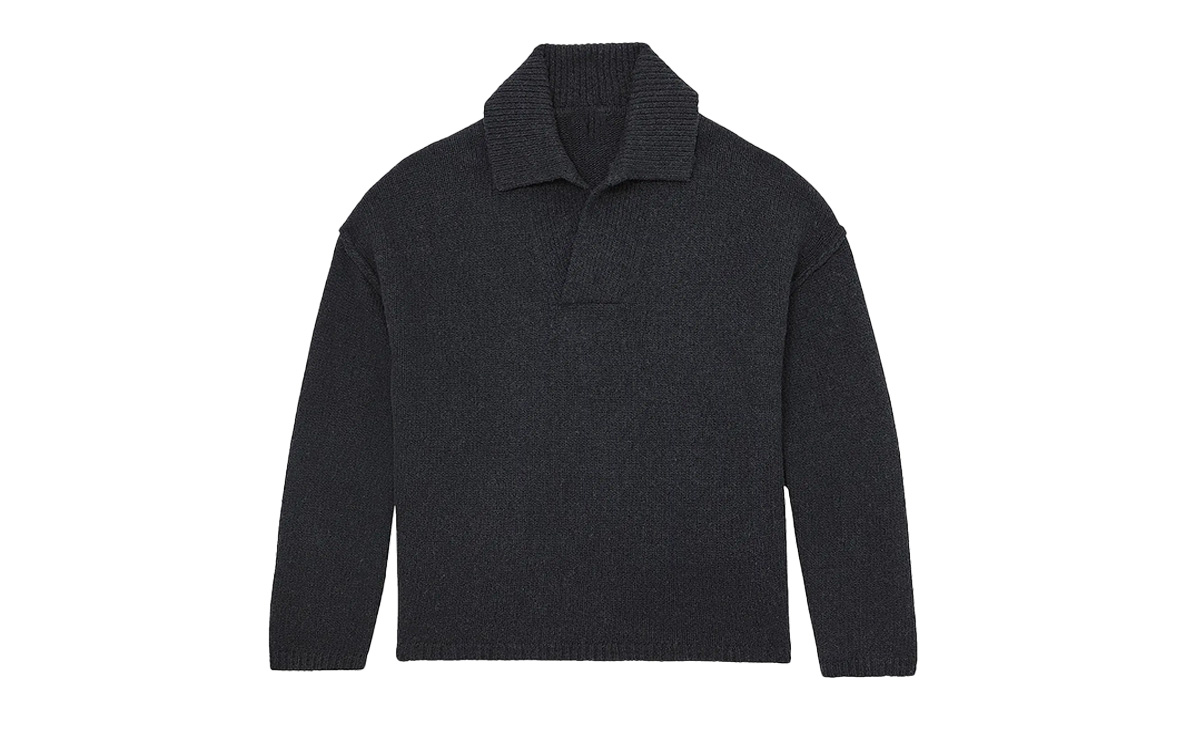
Give each material choice a job in the collection
Write a one-sentence purpose for each style before selecting a composition. Identify the wearer’s setting, the intended layer underneath, the surface appearance and the care expectation. Do not use “premium” as a substitute for those decisions.
| Product role | Material question to investigate | What to review on the garment |
|---|---|---|
| Smooth office or shirt-layering knit | Which candidate gives the intended surface and manageable bulk? | Collar or neck edge, sleeve under a jacket and body drape |
| Textured weekend layer | Which candidate supports the intended texture and silhouette? | Definition, shoulder support and the garment after ordinary handling |
| Premium gifting piece | Which candidate delivers a clear, supportable difference in feel and presentation? | Contact-point feel, surface finish and the care commitment expected of the customer |
These are buying questions, not automatic assignments of one fibre to one use. A cotton candidate may work for one product brief and not another. A cashmere statement does not, by itself, make a poorly resolved garment a better product.
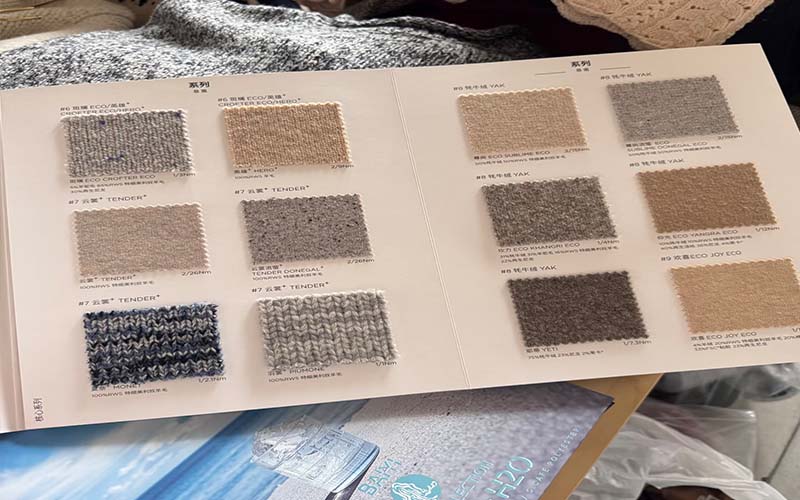
Wool and Merino: specify the kind of result you want
Wool offers a broad material family, not one standard handle. Woolmark’s wool-fibre explanation describes the role of fibre crimp in elasticity and identifies fibre diameter as an important influence on feel. Those properties are useful starting points, but the finished knit still needs assessment.
For a candidate intended near the neck, ask for information relevant to fineness and the proposed surface, then handle the actual finished fabric. For a sweater intended over a shirt, assess it in that combination. A material acceptable as an outer layer may not meet the brief for direct contact at a close-fitting collar.
Do not treat “Merino” as an automatic statement of finished weight, care method or surface durability. Ask the supplier which yarn article is proposed and whether it represents the intended production material. Keep the customer-facing description within the evidence available for that product.
Cotton: distinguish absorbency from garment behaviour
Cotton is worth considering when it fits the collection’s intended feel, surface and use. CottonWorks’ fibre reference booklet describes cotton’s absorbency and comparatively limited fibre resiliency. Neither fact alone predicts how a particular sweater will fit after wear or care.
On a cotton candidate, look at the body’s fall, collar support, cuffs and the weight of the actual garment. If the brief needs a compact polo collar or a substantial cable, ask whether the proposed yarn and construction support that result. Do not assume a fibre label settles the design question.
Avoid automatically calling every cotton sweater lightweight, quick-drying or easy-care. Those are product claims that need an appropriate basis. If a particular home-care routine is a requirement, make it part of material selection rather than adding it to the label after the garment has been approved.
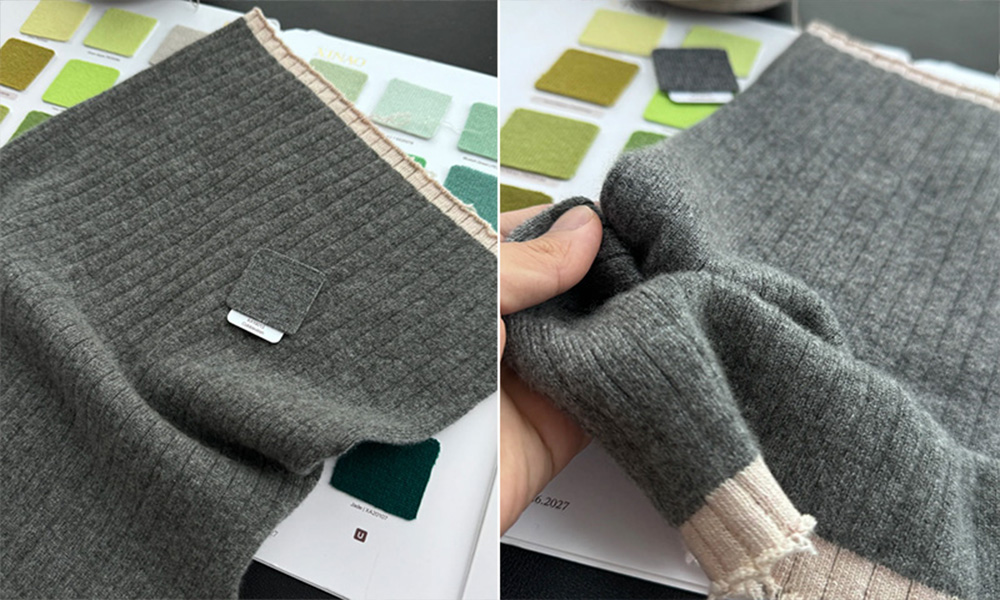
Cashmere: ask what justifies the product distinction
Cashmere is a different fibre source, not simply a softer grade of sheep’s wool. The CFDA’s cashmere fibre guide identifies it as a goat-derived fibre and names length, fineness and colour among quality factors. This is a reason to request an identifiable material specification, not to approve a luxury description from touch alone.
For a cashmere or cashmere-blend proposal, ask what the buyer expects the customer to notice. Is the intended difference the handle, surface, lightness or the verified composition story? Then assess whether the garment actually delivers that difference alongside acceptable construction and care requirements.
A low percentage added to a blend should not be assumed to transform every property. Equally, a high percentage is not evidence that the finished product cannot pill, stretch or require careful handling. Compare the actual candidates and ask for the agreed performance evidence where it matters commercially.
If the product proposition relies on a named fibre, ensure the composition and any sourcing statements are supported and reviewed for the destination market. An attractive swatch photograph cannot authenticate fibre content or responsible sourcing.
Blends: name the reason for combining fibres
A blend proposal should answer a question. The supplier may be trying to adjust handle, appearance, processing, care behaviour or cost. Ask which outcome is intended and what trade-off comes with it.
For example, a wool–cotton candidate and an all-wool candidate can be compared for the same office-knit role. Do not assume their performance follows a simple average of the fibre percentages. The yarn construction and finished fabric remain part of the result.
Keep the target benefit specific. “More commercial” might mean a different price, a care direction or an acceptable surface after wear; these are different claims. If the supplier changes the blend, identify which accepted properties must be demonstrated again rather than approving the composition change as an administrative substitution.
The yarn-and-gauge guide explains how to compare constructions through a controlled swatch trial. Use that method once the material shortlist is clear; this article’s task is deciding why an option belongs on the shortlist.
Compare alternatives against the same product role
Consider an illustrative range decision, not a QITE customer case. A buyer is developing a men’s office polo and is considering a wool candidate, a cotton candidate and a blend. One trial feels exceptionally soft, but the collar does not hold the intended appearance. Another has the preferred collar but feels too substantial beneath a jacket.
The decision is not “which fibre won?” Separate the acceptable and unacceptable properties. Ask whether the supplier can retain the preferred fabric character while resolving the collar, or propose a more appropriate material route. Do not quietly relax the product brief to justify the most attractive fibre name.
Review the candidate in the setting that matters: with the intended base layer, jacket or outer garment, and with the proposed opening and trims. The men’s knitted-polo guide addresses that construction. For an open-front product, the men’s cardigan guide highlights a different set of interactions.
Keep the material decision separate from the price story
A fibre name is not a complete explanation of a quotation. Keep the garment dimensions, proposed construction, trims and finishing visible when comparing alternatives. Otherwise a lower price may partly reflect a different garment rather than a less expensive material for the same product.
Use the men’s sweater cost breakdown for the broader price review. Here, ask which material properties would change if an alternative were selected, and whether those differences matter to the intended collection role.
If the premium gifting style and the everyday office knit have different requirements, allow them different material specifications. Forcing one fibre mix across the range can make purchasing look simpler while blurring the reason for the separate products.
Write a material decision that the next order can use
Retain the selected yarn article and finished reference, together with the product role it was chosen to serve. Record which properties are accepted, which checks remain open and what would require another review. Put the relevant details in the men’s sweater Tech Pack.
This protects more than the composition percentage. If a proposed replacement has the same stated blend but a visibly different surface, the team needs the original product priorities to judge it. Do not let “equivalent” mean only that two percentage statements match.
QITE Garments has its production foundation in sweaters and knitwear. Through the custom sweater service, buyers can submit a style reference and a material direction for project review. Send QITE the role of each men’s style, the intended layer, desired feel and care expectations. Specific wool, cotton, cashmere or blend options and their availability should be confirmed for the actual project, rather than inferred from a product picture.