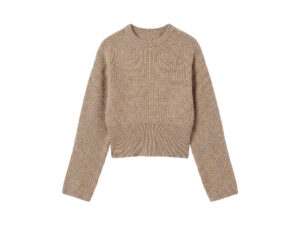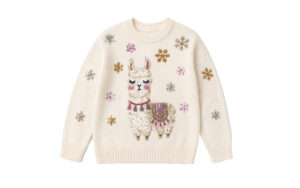
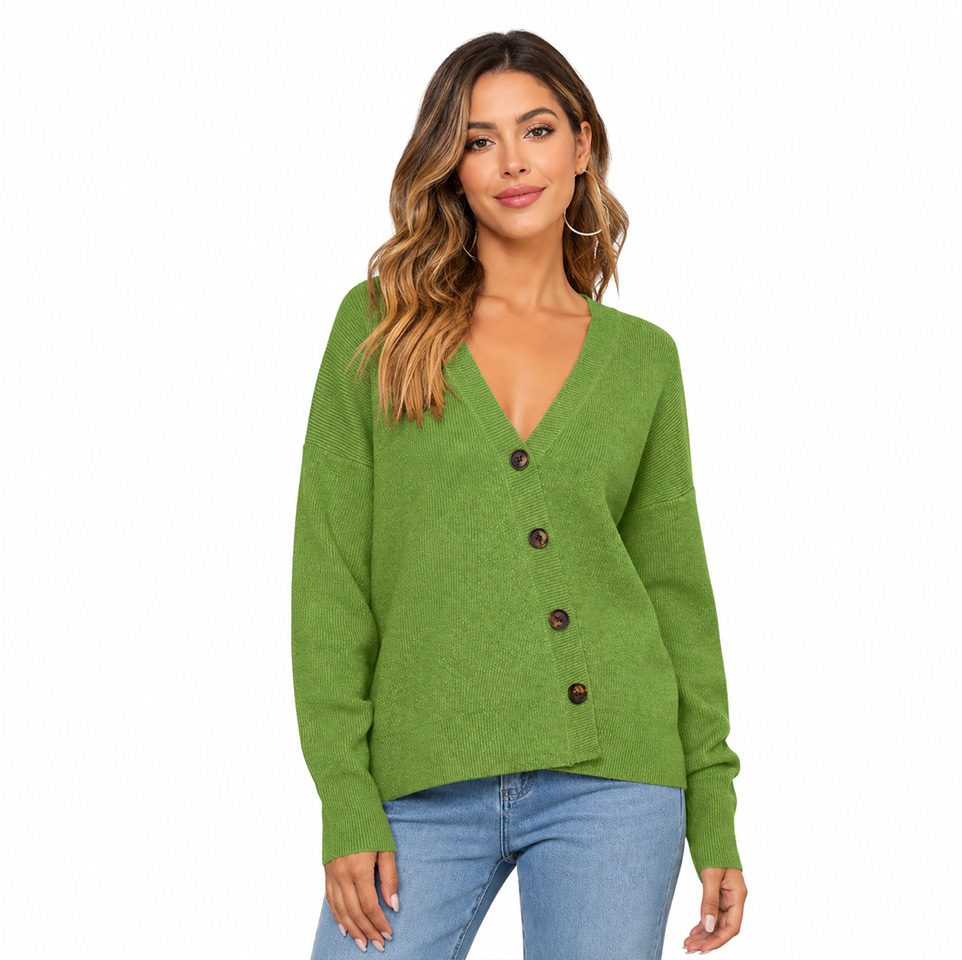
For an OEM women’s sweater program, lead time does not begin when the factory starts knitting. It begins when the buyer submits a usable brief to a knitwear manufacturer in China and ends only when finished goods are ready for the agreed handover, shipment or warehouse delivery.
A realistic knitwear schedule must account for product review, yarn confirmation, sample development, buyer comments, material booking, machine allocation, bulk knitting, linking, washing, finishing, inspection, packing, export preparation, and freight planning.
The most common delivery problems happen when buyers treat these stages as one fixed number of days. In reality, a simple repeat crewneck with available yarn has a very different timeline from a custom-dyed wool cardigan, a multi-color jacquard, or a women’s knitwear collection with several styles, colorways, tests, and retailer-specific packaging requirements.
This OEM women’s sweater lead time guide explains how to plan sampling, reserve production slots, manage sample approval and reduce avoidable delivery risk. Explore our women’s knitwear manufacturer page for product development options and our knitwear manufacturing process for the production stages after approval.
Understand the Four Different Delivery Dates
Buyers should avoid using the word “delivery” without defining the exact milestone. A factory-completion date is not the same as a vessel departure date or a warehouse-arrival date.
| Milestone | What It Means |
|---|---|
| Sample-ready date | The factory has completed the requested development, fit, or revised sample |
| Bulk ex-factory date | Finished garments have passed the agreed inspection and are ready for handover |
| Shipment departure date | Goods have departed under the agreed shipping arrangement |
| Destination arrival date | Goods have reached the port, airport, warehouse, or retail destination |
| Retail launch date | The date products must be available for sale |
The buyer should work backwards from the retail launch date and add time for customs, freight, warehouse receiving, online photography, store allocation, and unexpected delays. The factory’s production lead time is only one part of the total retail calendar.
Stage 1: Product Review and Feasibility
The schedule starts when the factory has enough information to understand the style and assess feasibility.
For an OEM women’s sweater inquiry, send:
- Tech pack, original sample, sketch, or clear reference images
- Product category and target season
- Fiber composition and desired hand feel
- Gauge, stitch structure, or target garment weight
- Colorways and artwork
- Size range and quantity by color and size
- Trims, labels, hangtags, barcodes, and packaging needs
- Target FOB price, if available
- Destination market and testing requirements
- Required ex-factory or delivery date
An incomplete brief often creates a false sense of speed. A supplier may be able to give an initial estimate, but an accurate timeline requires confirmation of the yarn, construction, order quantity, and production details.
Stage 2: OEM Women’s Sweater Sample Lead Time
Sampling is the first major lead-time milestone. It should be used to confirm design feasibility, yarn, gauge, stitch construction, garment weight, fit, workmanship, and cost direction.
At QITE GARMENTS, sample development usually takes around 7-10 days after the design reference, yarn, gauge, color, and measurement details are confirmed.
This timing should be viewed as the sample-making period, not the complete approval cycle. The complete sample stage may also include:
- Buyer review time
- Consolidated fit and workmanship comments
- Revised sample development
- Color confirmation
- Wash testing or performance testing
- Size-set development
- Trim and label approval
- Final pre-production sample confirmation
A buyer who returns clear, consolidated comments can protect the schedule. Separate or conflicting comments from different teams can create unnecessary revision rounds.
Stage 3: Yarn Confirmation and Material Booking
Yarn availability is often the critical path in women’s sweater production. A factory cannot safely confirm bulk timing until the intended yarn is available and approved.
Lead time can change depending on whether the style uses:
- Stock yarn
- Custom-dyed yarn
- Specialty or fancy yarn
- Wool, cashmere, or premium blends
- Certified or traceable yarn
- Recycled-material yarn
- Several contrast colors for jacquard or intarsia
- Custom buttons, zippers, embroidery, or other trims
Before booking bulk materials, confirm:
- Final yarn composition and source
- Approved color standard
- Yarn quantity by color
- Minimum order requirements
- Expected yarn arrival date
- Bulk yarn-lot consistency
- Required test reports or material documents
- Substitution procedure if the original yarn becomes unavailable
Do not release bulk production based on a sample yarn that cannot be repeated in the final order.
Stage 4: Reserving a Production Slot
A production slot is the planned allocation of machines, labor, finishing capacity, inspection, and packing time for a specific order.
In knitwear manufacturing, capacity should be reviewed by style, not only by total quantity. A heavy cable cardigan, a fine-gauge rib top, and a multi-color jacquard pullover may require very different machine time and technical handling.
When asking a factory about production capacity, confirm:
- Style complexity and required gauge
- Machine type and allocation
- Order quantity by color and size
- Material readiness date
- Approved sample status
- Required completion date
- Finishing requirements
- Testing and inspection schedule
- Packaging and carton requirements
- Peak-season demand or repeat-program capacity
QITE GARMENTS manages capacity through own-factory production, coordinated partner production units, and centralized scheduling. Production planning is reviewed according to style construction, gauge, material readiness, quantity, sample approval, machine availability, finishing requirements, inspection, packing, and confirmed delivery timing.
A Practical Rule for Buyers
A supplier can discuss a provisional production window early, but the final slot should be confirmed only after the product’s technical and material requirements are sufficiently clear. Late design changes can affect the original schedule, especially during seasonal peak periods.
Stage 5: Bulk Production Lead Time
For small to medium OEM sweater orders, QITE GARMENTS may plan bulk production around 20-30 days after sample approval. Actual timing depends on order quantity, yarn availability, size range, style complexity, testing requirements, and the confirmed factory schedule.
Bulk production normally includes:
- Yarn and material confirmation
- Machine allocation and knitting
- Linking and assembly
- Washing, drying, shaping, pressing, or other finishing
- In-line and final quality checks
- Measurement review
- Label and packing verification
- Carton packing and shipment preparation
A complex sweater is not finished when it comes off the knitting machine. Linking, washing, shaping, pressing, inspection, metal detection where required, packing, and carton verification all need to fit inside the schedule.
The Critical Path for Women’s Sweater Delivery
The critical path is the sequence of tasks that directly determines whether the delivery date can be met. If one of these tasks is delayed, the whole order may move.
| Critical Stage | Typical Delay Risk | Buyer Action |
| Tech pack review | Missing measurements, unclear artwork, incomplete packing details | Submit one complete and controlled development file |
| Yarn approval | Unavailable yarn, custom dyeing, late color decision | Lock yarn and colors early |
| Sample approval | Multiple revision rounds or delayed comments | Consolidate comments and set approval deadlines |
| Production slot | Peak-season capacity or special-machine constraints | Confirm the production window early |
| Bulk materials | Late labels, trims, buttons, or packaging | Approve all components before bulk release |
| Testing | Test failure, late test booking, incorrect sample submission | Define test requirements before production |
| Final inspection | Measurement or workmanship correction | Allow time for correction and reinspection |
| Shipment preparation | Late carton marks, barcode changes, booking delays | Lock packing and shipping instructions early |
Common Reasons Sweater Delivery Dates Move
Late Sample Comments
A factory cannot proceed confidently if the buyer has not confirmed fit, color, yarn, or workmanship. Each revision can affect yarn use, cost, and machine planning.
Yarn Changes After Approval
Changing from acrylic blend to wool blend, altering the color plan, or replacing a stock yarn with a custom-dyed yarn can change both cost and lead time.
Complex Knit Structures
Jacquard, intarsia, cables, pointelle, openwork, heavy ribs, shaping, embroidery, and decorative trims often require more development and production time than a plain jersey-knit sweater.
Too Many Low-Volume Colorways
A total order quantity can appear large, but several small color allocations may create material, yarn-dyeing, and machine-efficiency challenges.
Labels and Packaging Not Ready
Care labels, neck labels, hangtags, barcodes, polybags, carton ratios, and shipping marks should be confirmed before goods reach final packing.
Testing Added at the End
If pilling, dimensional stability, colorfastness, chemical compliance, or retailer-specific testing is added after production starts, the schedule may need to be adjusted.
Freight Planning Begins Too Late
Factory completion does not automatically create a shipment booking. Buyers should coordinate their forwarder, Incoterm, booking window, shipping documents, and destination delivery plan before the factory completes packing.
How to Build a More Reliable Delivery Plan
A reliable delivery plan has clear owners and deadlines for every decision.
Buyer Responsibilities
- Provide a complete tech pack or clear reference package
- Confirm yarn, colors, and artwork early
- Return consolidated sample comments
- Approve size chart, labels, packaging, and carton marks on time
- Confirm testing and destination-market requirements before bulk production
- Share the required ex-factory date and final shipping plan
- Inform the supplier about retailer delivery deadlines and seasonal launch dates
Manufacturer Responsibilities
- Review design feasibility and production requirements
- Identify yarn, gauge, MOQ, and capacity considerations
- Develop samples against confirmed inputs
- Communicate material and production status
- Control quality against the approved sample and technical file
- Verify measurements, workmanship, labels, packing, and shipment details
- Notify the buyer promptly if a material, technical, quality, or capacity issue may affect the schedule
Example Planning Timeline
The following is a practical planning model for a custom women’s sweater program. It is not a fixed promise, because material availability and style complexity can change the schedule.
| Stage | Indicative Timing |
| Product review and quotation | 1-3 working days after complete information is received |
| Sample development | Around 7-10 days after core details are confirmed |
| Buyer sample review | Depends on buyer feedback and approval process |
| Revised sample or PP sample | Depends on number and complexity of changes |
| Bulk material booking | Begins after final yarn and order details are confirmed |
| Bulk production | Often around 20-30 days after sample approval for small to medium orders |
| Inspection and packing | Completed before shipment release |
| Freight and destination delivery | Depends on route, mode, Incoterm, customs, and destination requirements |
The safest approach is to create a project calendar with dates for sample comments, approval, material booking, bulk release, inspection, ex-factory completion, shipment booking, and retail delivery.
What Buyers Should Confirm Before Releasing Bulk Production
Before issuing the final bulk approval, confirm:
- Approved sample and complete final comments
- Final yarn, color, gauge, stitch structure, and garment weight
- Size chart, grading, and measurement tolerances
- Quantity by color and size
- Labels, care instructions, hangtags, barcode, polybag, and carton details
- Testing and inspection requirements
- MOQ, price, and payment terms
- Production-slot confirmation
- Material-readiness date
- Planned ex-factory date
- Freight booking and shipping instructions
- Contact person responsible for approvals and delivery updates
FAQ
How long does OEM women’s sweater sampling take?
At QITE GARMENTS, sample development usually takes around 7-10 days after design references, yarn, gauge, color, and measurements are confirmed. The total approval cycle can be longer if revisions, wash tests, or size-set samples are required.
How long does bulk sweater production take?
Small to medium orders may be planned around 20-30 days after sample approval. Actual timing depends on yarn availability, order quantity, gauge, style complexity, colorways, testing requirements, finishing, packing, and factory schedule.
What is the biggest risk to sweater lead time?
Yarn confirmation and sample approval are often the biggest risks. A late yarn change, custom color, unapproved sample, or revision to a complex structure can delay material booking and production-slot allocation.
Can a factory reserve capacity before the sample is approved?
A factory may discuss a provisional production window, but final capacity confirmation depends on the style, gauge, material readiness, quantity, sample status, and production schedule. Buyers should confirm the terms of any reservation directly with the supplier.
What is the difference between ex-factory date and delivery date?
The ex-factory date is when the completed goods are ready for handover after inspection and packing. The final delivery date may include freight, customs clearance, warehouse receiving, and onward distribution.
Plan Your Women’s Sweater Program With QITE GARMENTS
QITE GARMENTS supports OEM and ODM women’s sweater projects through product review, yarn planning, 7-10 day sample development, flexible production scheduling, quality inspection, private-label packing, and export coordination.
To plan your order, send your women’s sweater tech pack, target quantity, color-size breakdown, required delivery date, and packing requirements to QITE GARMENTS. You can also review our OEM/ODM knitwear manufacturing service and manufacturing capability.
Related Women’s Sweater Planning Resources
Before locking a delivery date, review our OEM women’s knitted sweater manufacturing guide for tech-pack, sampling and MOQ inputs, and our fall/winter women’s sweater sourcing calendar for seasonal buying milestones.
Planning a custom knitwear collection? Explore Qite’s custom-made sweaters capabilities for style development, yarn and gauge options, logo applications, sampling, private labels and bulk production.