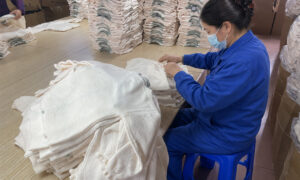
A school knitwear programme is not finished when the first delivery looks right. A new pupil may need a replacement later, an existing pupil may move into another size, or the school may approve a revised crest. The next order must still be recognisably part of the same uniform.
When choosing a school sweater manufacturer, plan the programme identity and replenishment route alongside the first garment. This guide is for schoolwear suppliers, importers and buyers developing V-neck pullovers, cardigans or sweater vests. QITE’s kids’ knitwear page is the main product-development destination; the focus here is keeping the assortment usable across sizes and orders.
Decide which differences need a separate product identity
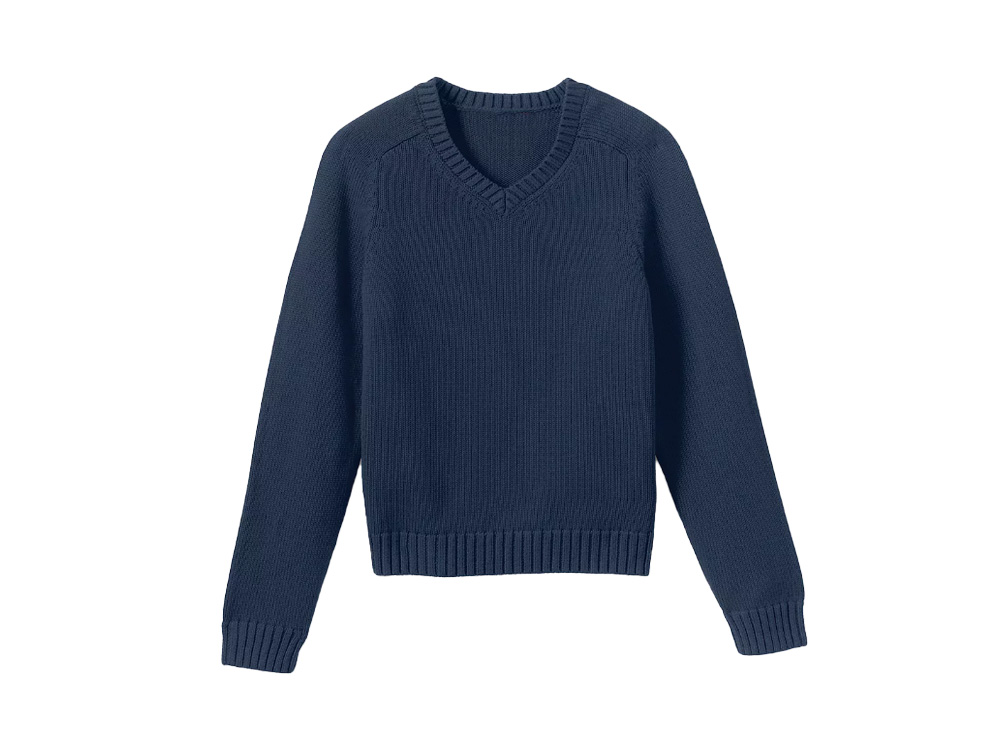
Start with a school-approved description of each garment. Record the silhouette, colour, neck treatment, stripe or trim details and whether the garment is plain or carries a crest. Identify the intended age and size range without assuming one adult block can simply be reduced for every pupil.
A V-neck pullover, a cardigan and a vest are different garments, even if they share a shade name. A plain pullover and one carrying a particular crest also need distinguishable order records. Give the supplier a clear product code rather than relying on filenames such as “navy school sweater final.”
Keep the choices tied to the uniform requirement. If pupils need a V-neck that works over a shirt and tie, review that combination. If the school requests a cardigan, resolve its opening as a cardigan rather than borrowing a pullover specification. The kids’ knitwear category guide covers those product directions; this programme brief should identify the selected one.
Make the school’s colour and crest identifiable
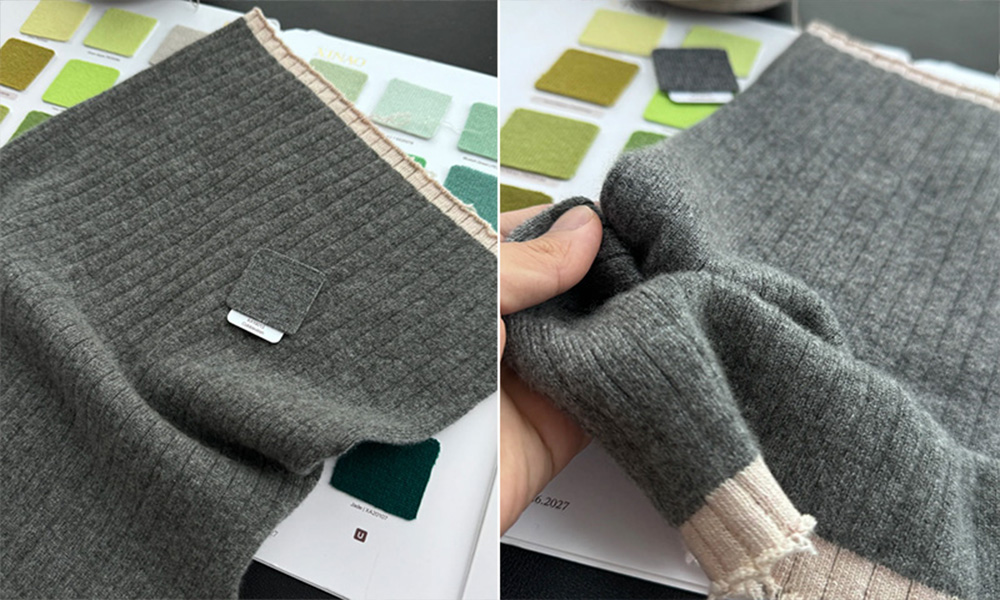
“School navy” is a name, not a reproducible material reference. Retain an accepted physical colour reference and identify the yarn and finished sample to which it belongs. State whether body, rib and any contrast stripes are intended to match or deliberately differ.
For the crest, obtain the current school-approved file and distinguish it from an older website image or a scan of a worn badge. Record the accepted dimensions, colours and placement for each garment. Decide whether its size or position changes across the size range instead of leaving that decision to the first production operator.
If embroidery is proposed, review it on the intended knit. Madeira’s technical FAQ notes that flexible fabrics can pucker during embroidery and explains the role of supporting the fabric. The useful buying action is to inspect the physical trial, including its reverse and local feel, rather than approving a digital crest alone.
Do not let one approved crest file imply that every base garment and backing arrangement is approved. Use the logo technique guide when a construction choice is still open, then retain the actual accepted result for the school programme.
Keep the factory size specification separate from the fitting guide
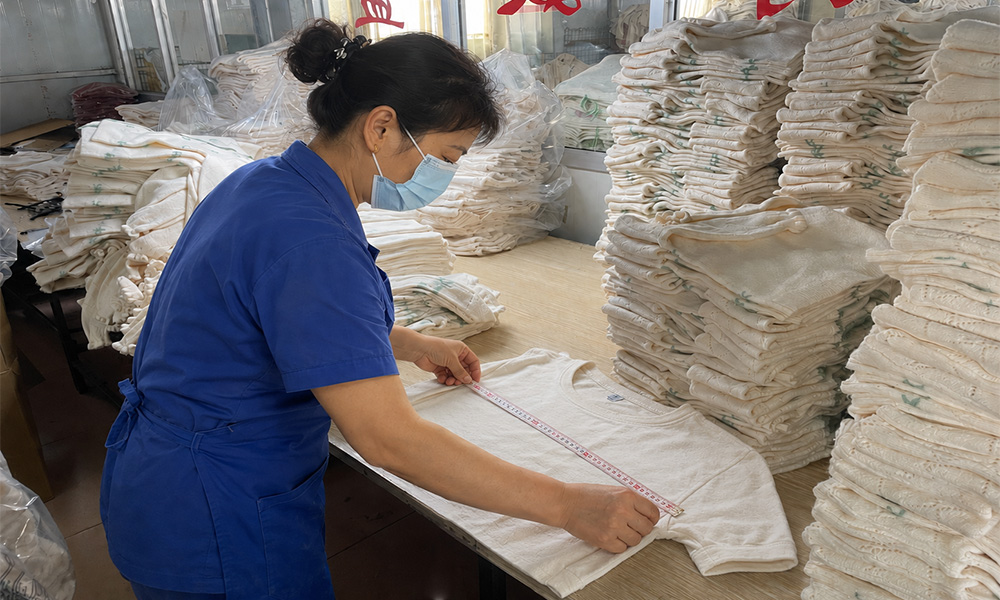
The factory needs garment measurements and grading instructions. Families or schoolwear staff need a clear method for selecting a size. These records should correspond, but they are not the same document.
Schoolwear supplier Trutex’s sizing guidance explains that labels can differ between brands and provides garment-specific measuring information. This supports using a defined fitting method rather than copying an age label from a previous supplier. It does not make another brand’s size chart the factory specification for your garment.
For a new programme, agree an appropriate fitting-sample range and review the intended shirt or other layer underneath. Keep the resulting size guidance consistent with the garment that was approved. The kids’ size-grading guide covers how to build and approve that garment progression; there is no need to recreate it in the school’s ordering sheet.
Forecast sizes from the school’s demand, not an equal split
Prepare the initial order by product, colour, crest version and size. Separate confirmed demand from any additional stock the buyer chooses to hold. If previous sales or fitting results exist, identify their period and limitations before using them as a forecast.
Do not buy the same number of every size simply because the supplier offers them. Equally, do not remove a required size just because its initial demand is low. Ask how less common sizes will be supplied and whether they must be included in the first production run.
The following is a planning structure, not a recommended stock ratio or a QITE order commitment:
| Programme record | What to enter | What it helps resolve |
|---|---|---|
| Confirmed initial requirement | Quantities by exact product and size | The committed first delivery |
| Buyer-held reserve | Separate quantities with an identified purpose | Exchanges, replacements or expected additional demand |
| Sizes not held in reserve | Named sizes and their intended supply route | How an uncommon size will actually be obtained |
| Replenishment forecast | Expected timing and quantities, marked non-binding unless agreed otherwise | Material and capacity discussion, not automatic production permission |
| Change record | Approved colour, crest or specification revision and effective order | Which version belongs to each delivery |
Provide aggregate quantities to the manufacturer. Individual pupil names or contact details are not needed to communicate a size assortment. If personalised garment identification is required, establish that as a separate, specifically defined process.
Choose the material against the daily-use brief
Describe the intended wear, layer and care routine before choosing yarn. A soft first impression is useful, but it does not establish how the neckline, cuffs or surface will behave through the school’s expected use.
Keep material screening and care evidence in the appropriate records. The kids’ sweater yarn guide covers material selection, while the wash-testing guide covers the agreed procedure and reporting. For this programme, record which accepted yarn and care direction belong to each product; do not turn those links into an unsupported promise of a particular performance level.
If a supplier proposes a substitute for a repeat order, compare the relevant material and garment properties before accepting it. A matching composition statement alone does not establish that the replacement will look and feel like the existing uniform.
Agree the replenishment boundary before the first order
Ask whether later quantities can be supplied, which minimums apply, whether materials or plain garments will be held, and who owns that stock. Do not treat “repeatable” as meaning unlimited availability or identical shade from every future batch.
Confirm how a crest change will affect existing stock. For example, an illustrative programme decision, not a customer case, could be: the school accepts the current crest for the initial order but is considering a new version for the following intake. Before committing additional stock, the buyer should decide whether it may be decorated with the current version, remain plain if feasible, or wait for a new instruction. The supplier must confirm which route its production process can support.
Record that instruction by order and product code. Otherwise a physically correct garment can still be the wrong uniform version when it reaches the schoolwear supplier.
Pack for the distribution route
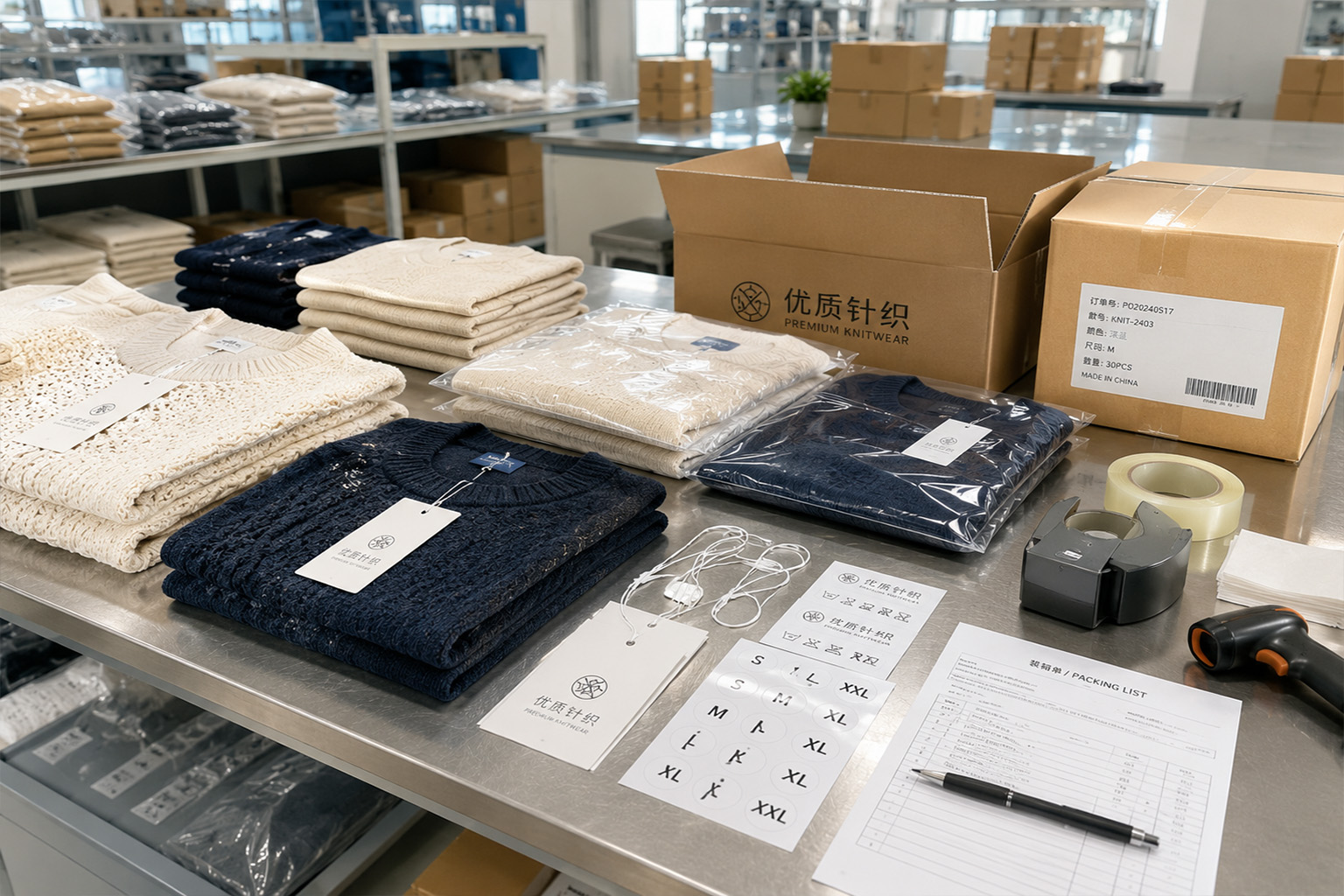
Ask how the order will be received and issued. A wholesale shipment sorted by product and size is different from an agreed individual-set packing programme. Do not assume the latter is included in a garment quotation.
Confirm visible size identification, crest version where relevant, carton contents and any buyer-required name-label area on the garment. Make it possible for receiving staff to check the assortment without opening every item.
Reconcile the delivered quantities against the accepted order matrix and record any agreed shortfall or substitution. Keep those differences separate from the demand forecast; otherwise the next replenishment plan may be based on what happened to arrive rather than what was needed.
Preparing a school knitwear brief for QITE
QITE Garments builds its offering on sweater and knitwear production. For a schoolwear project, send the approved uniform description, physical colour direction, crest files, size specification, initial quantity matrix and intended replenishment arrangement through its custom sweater development service.
Ask QITE to review the programme requirements before promising replacement availability to the school. The useful outcome is not simply one acceptable sample. It is a clearly identified product, an agreed first order and a realistic explanation of what can happen when another size or a new crest version is required.